











So, have you heard about those mini trampolines? They're popping up everywhere, and people are talking about them as the next big thing in fitness. It sounds a bit like a throwback, right? Like something out of an old aerobics video or a kid's backyard. But it turns out, jumping on one of these things, called rebounding, is actually a pretty serious workout. It's not just for fun; it's got some real health perks that are making people rethink their cardio routine. Is rebounding cardio the new go-to? Let's take a look.
Key Takeaways
- Rebounding, or exercising on a mini trampoline, offers a low-impact way to get your heart rate up, making it easier on your joints than activities like running.
- This type of cardio can help improve your heart health, aid in managing weight by burning calories, and even boost your metabolism.
- Beyond just cardio, rebounding is great for improving your balance and coordination, and it can strengthen your core and leg muscles.
- The gentle bouncing motion is thought to help with lymphatic drainage, potentially aiding your body's natural detox processes.
- Rebounding is accessible for most people, from beginners to those looking for a joint-friendly workout, and it can be a fun and sustainable way to stay active.
Understanding Is Rebounding Cardio
What Is Rebounding?
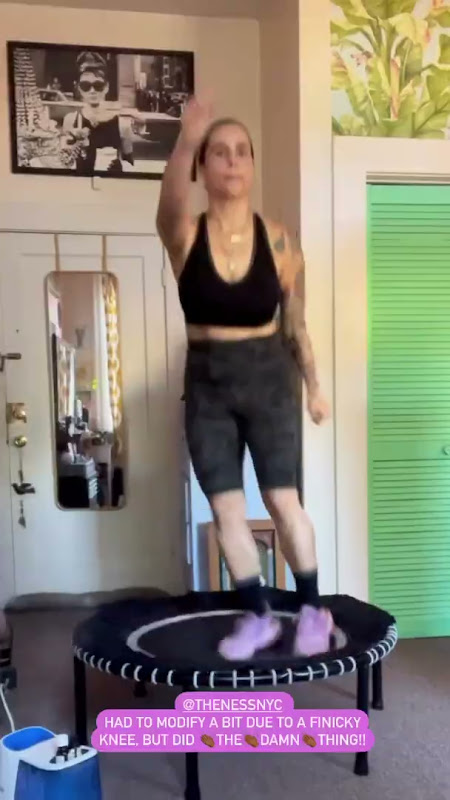
So, what exactly is rebounding? Simply put, it's the act of jumping or doing various movements on a small, low-impact trampoline, often called a rebounder. While it might bring back memories of childhood fun, this activity is far from just play. Rebounding workouts are designed for adults and offer a surprisingly effective way to get a workout in. These mini trampolines are usually around 36 to 48 inches in diameter, making them compact enough for indoor use and stable enough for controlled bouncing. Unlike the big trampolines you might have in your backyard, rebounders have a lower bounce height and a sturdy base, which is key for safety and getting a good workout.
The Core Concept of Mini Trampoline Workouts
The main idea behind mini trampoline workouts, or rebounding, is to use the gentle bounce to create a cardiovascular challenge without putting a lot of stress on your joints. Think about it: every time you jump, your body is working against gravity, and the rebounder absorbs a lot of the impact that would normally go straight into your knees, hips, and ankles. This makes it a fantastic option for people who find traditional cardio like running too hard on their bodies. It's a way to get your heart rate up and build stamina while being kind to your joints. The controlled bouncing motion engages muscles you might not even realize you have, working them in a unique way.
Rebounding: More Than Just Play
It's easy to dismiss rebounding as just a fun activity, but the benefits go much deeper than just a good time. It's a form of exercise that taps into several different aspects of fitness all at once. You're getting a cardio workout, yes, but you're also working on your balance, coordination, and even your lymphatic system. It's a full-body engagement that can be surprisingly challenging. Plus, the simple act of bouncing can release endorphins, which are those feel-good chemicals in your brain that help reduce stress and boost your mood. So, while it might feel like play, your body and mind are getting some serious work done.
Here's a quick look at what makes rebounding stand out:
- Low-Impact: Significantly gentler on joints compared to running or jumping on a hard surface.
- Cardiovascular: Effectively raises your heart rate for a solid aerobic workout.
- Proprioceptive: Challenges your body's awareness of its position in space, improving balance.
- Mood-Boosting: The rhythmic motion and physical exertion can lead to a release of endorphins.
The unique way rebounding works your body, absorbing impact while still providing resistance, means you can often get a significant workout in a shorter amount of time. This makes it a really practical choice for people with busy schedules who still want to prioritize their health.
The Extensive Health Advantages of Rebounding
Low-Impact Cardiovascular Conditioning
When you think about cardio, maybe running or cycling comes to mind. Those are great, but they can be pretty hard on your joints, right? Especially if you've got knee or ankle issues, or you're just getting older. Rebounding is different. It's a fantastic way to get your heart rate up without all the pounding. The mini trampoline absorbs a lot of the shock, so it's much gentler on your body. You still get that effective aerobic workout, but with way less stress. It’s a smart choice if you're recovering from an injury or just want to be kinder to your body.
Enhancing Heart Health and Circulation
Bouncing on a rebounder really gets your blood moving. It's not just about feeling warmer; it actively improves how well your blood flows. This means better circulation to your brain and all your extremities, which can help with things like cold hands and feet. Over time, this improved circulation can lead to a lower resting heart rate and better overall cardiovascular function. Think of it as giving your heart a good, steady workout that also helps keep your whole system running smoothly. It's a simple way to support your heart health and keep things pumping efficiently.
Supporting Weight Management and Metabolism
If shedding a few pounds or maintaining a healthy weight is on your radar, rebounding can be a surprisingly effective tool. It burns a decent number of calories – you can expect to torch around 150-300 calories in a 30-minute session, depending on how hard you go. But it's not just about the immediate calorie burn. The consistent movement helps rev up your metabolism, meaning your body keeps burning calories even after you've finished bouncing. Plus, because it's fun, you're more likely to stick with it, which is half the battle when it comes to weight management.
The rhythmic nature of rebounding, combined with the gentle resistance of pushing against the mat, engages multiple muscle groups simultaneously. This full-body engagement contributes to a higher calorie expenditure and can help build lean muscle mass over time, further boosting your metabolic rate. It’s a win-win for calorie burning and body composition.
Beyond Cardio: Rebounding's Holistic Benefits
While the cardiovascular gains from rebounding are pretty clear, this bouncy workout does way more than just get your heart rate up. It's like a full-body tune-up that touches on areas you might not even think about when you're just jumping around.
Improving Balance and Proprioception
Ever feel a bit wobbly sometimes? As we get older, keeping our balance becomes super important for just moving around safely and avoiding tumbles. Rebounding is fantastic for training something called proprioception. Think of it as your body's internal GPS, telling your brain where all your limbs are, even with your eyes closed. Constantly adjusting your stance on the rebounder to stay upright really sharpens this sense. This translates to better coordination and a steadier gait in everyday life.
- Better stability for daily activities
- Reduced risk of falls, especially for older adults
- Improved athletic performance through quicker reactions
Strengthening the Core and Lower Body
Don't let the fun fool you; your core is working overtime when you rebound. Every little bounce requires your abdominal muscles and back to engage to keep you stable. Plus, your glutes, hamstrings, and calves get a solid workout from the constant push and pull. It even wakes up those smaller stabilizing muscles that often get ignored in more traditional exercises. You can even add light weights or resistance bands to make it a more complete strength session.
Boosting Mood and Reducing Stress Levels
We all know exercise is good for the mind, but rebounding has a special trick up its sleeve. The rhythmic motion of bouncing can feel almost meditative. It triggers the release of endorphins, those feel-good chemicals, while also helping to lower stress hormones like cortisol. Many people find that a quick rebounding session leaves them feeling lighter, more energized, and just plain happier. It's a great way to shake off the day's worries.
The simple act of bouncing can have a surprisingly profound effect on your mental state, turning a physical workout into a mood-lifting experience. It's a reminder that sometimes, the most effective solutions are also the most enjoyable.
Here's a quick look at how rebounding impacts your well-being:
- Mood Enhancement: Endorphin release helps combat feelings of sadness.
- Stress Reduction: Lowering cortisol levels can lead to a calmer state.
- Improved Sleep: Regular sessions can contribute to better sleep quality.
- Increased Energy: Many users report feeling more vitalized after a workout.
Rebounding for Physical Resilience
When we talk about getting stronger and staying healthy long-term, it's not just about lifting heavy weights or running miles. Rebounding, that fun bouncing on a mini trampoline, actually plays a pretty big role in making your body more resilient. It's like giving your body a tune-up that helps prevent problems before they start.
Building Bone Density and Joint Health
Think about it: every time you bounce, your bones and joints are working to absorb and manage the impact. This constant, gentle stress signals your body to build stronger bones. It's a low-impact way to get those benefits, which is a huge plus if you've ever had joint pain from other activities. Unlike pounding the pavement, rebounding is much kinder to your knees and hips. It also helps strengthen the tendons and ligaments around your joints, making them more stable and less prone to injury. This consistent, controlled stress is key to developing tougher, more durable bones and joints over time.
Promoting Lymphatic Drainage and Detoxification
Your lymphatic system is kind of like your body's internal cleanup crew, but it doesn't have a pump like your heart. It relies on movement to get things flowing and flush out waste products and toxins. Rebounding is fantastic for this. The up-and-down motion, along with the changes in gravity, helps open and close the tiny valves in your lymphatic vessels. This can speed up the circulation of lymph fluid significantly, helping your body clear out gunk more efficiently. It's a simple way to support your body's natural detox processes without needing any special drinks or supplements.
Aiding in Injury Prevention and Recovery
Rebounding is surprisingly good at helping you avoid injuries and bounce back faster if you do get hurt. The constant need to balance and adjust on the trampoline improves your proprioception – that's your body's awareness of where it is in space. This means you'll have better control over your movements, making you less likely to stumble or twist an ankle. Plus, the strengthening of tendons and ligaments we talked about earlier directly contributes to injury prevention. For recovery, low-intensity rebounding can be a great way to keep moving and promote blood flow to injured areas without putting too much stress on them. It's active recovery that actually helps you heal.
Here's a quick look at how rebounding helps:
- Improved Balance: Constantly adjusting to stay upright strengthens stabilizing muscles.
- Stronger Connective Tissues: The gentle stress builds tougher tendons and ligaments.
- Enhanced Circulation: Both blood and lymph fluid move more freely.
- Better Body Awareness: You become more in tune with your body's position and movements.
Rebounding isn't just about having fun; it's a smart way to build a body that's tougher, more adaptable, and better equipped to handle the demands of daily life and athletic pursuits. It fills a gap that many traditional exercises miss, focusing on resilience from the inside out.
Integrating Rebounding Into Your Fitness Routine
So, you're thinking about adding a mini trampoline to your home gym setup? Awesome! The great thing about rebounding is that it's pretty easy to slot into your life, no matter your current fitness level. It’s not like you need a whole hour every time, either. You can get a good workout in a surprisingly short amount of time.
Making Rebounding Accessible for All
One of the best parts of rebounding is how adaptable it is. Seriously, almost anyone can do it. If you're just starting out or maybe have some joint issues, you can begin with really gentle bounces. Think small hops, just getting a feel for the movement. As you get more comfortable, you can gradually increase how high you jump and how long you bounce for. It’s also a fantastic option if you’re recovering from an injury or are an older adult looking for a way to stay active without putting too much stress on your body. Even if your main goal is building serious muscle, rebounding can still play a role, especially when you add light weights for upper body work.
Tips for Beginners Starting Their Rebounding Journey
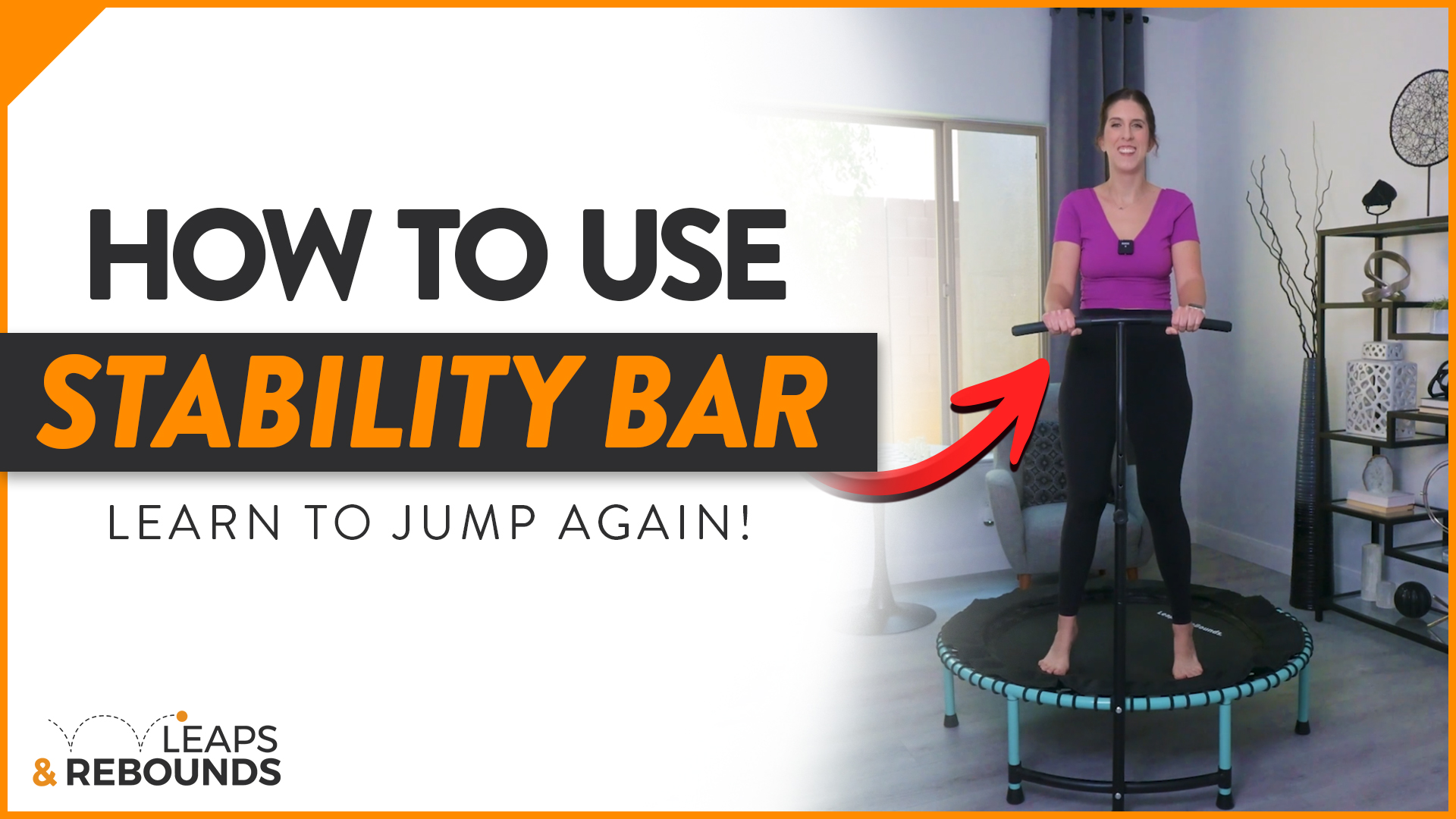
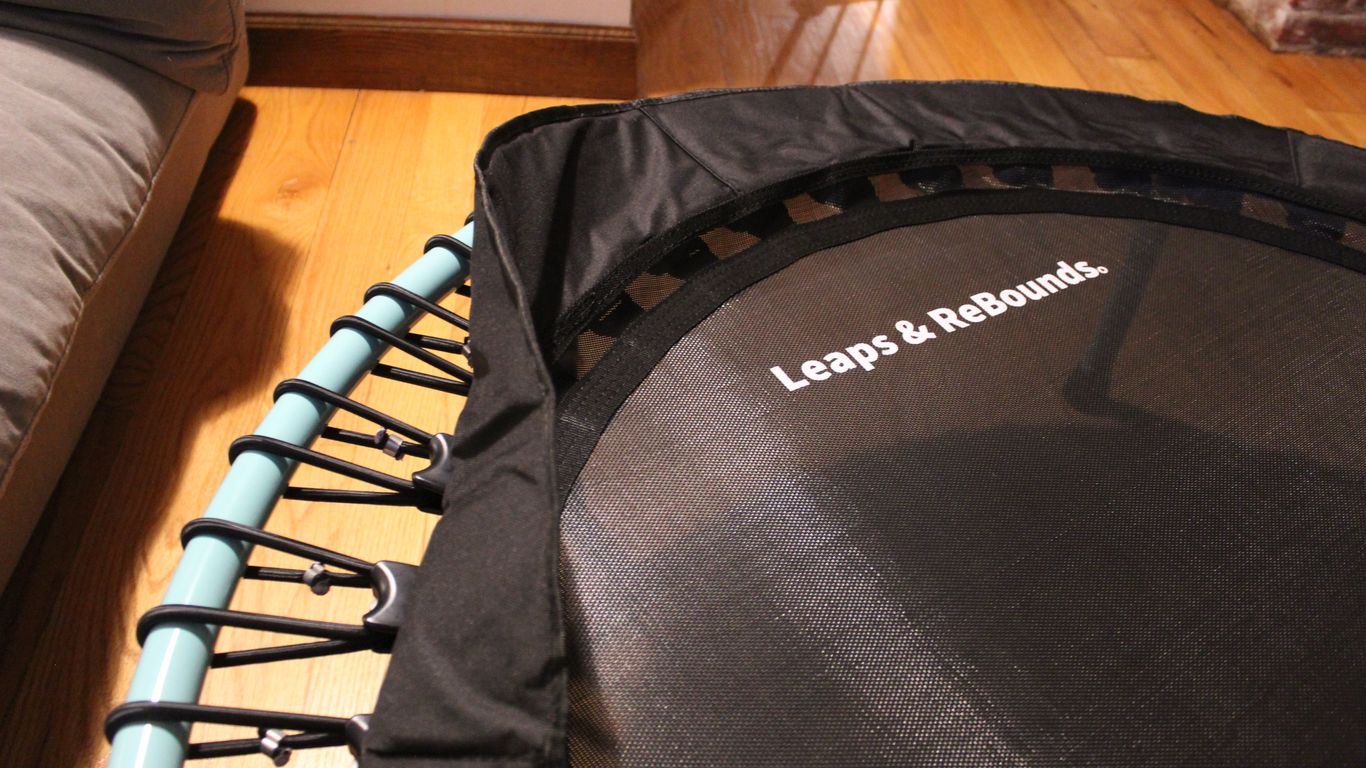
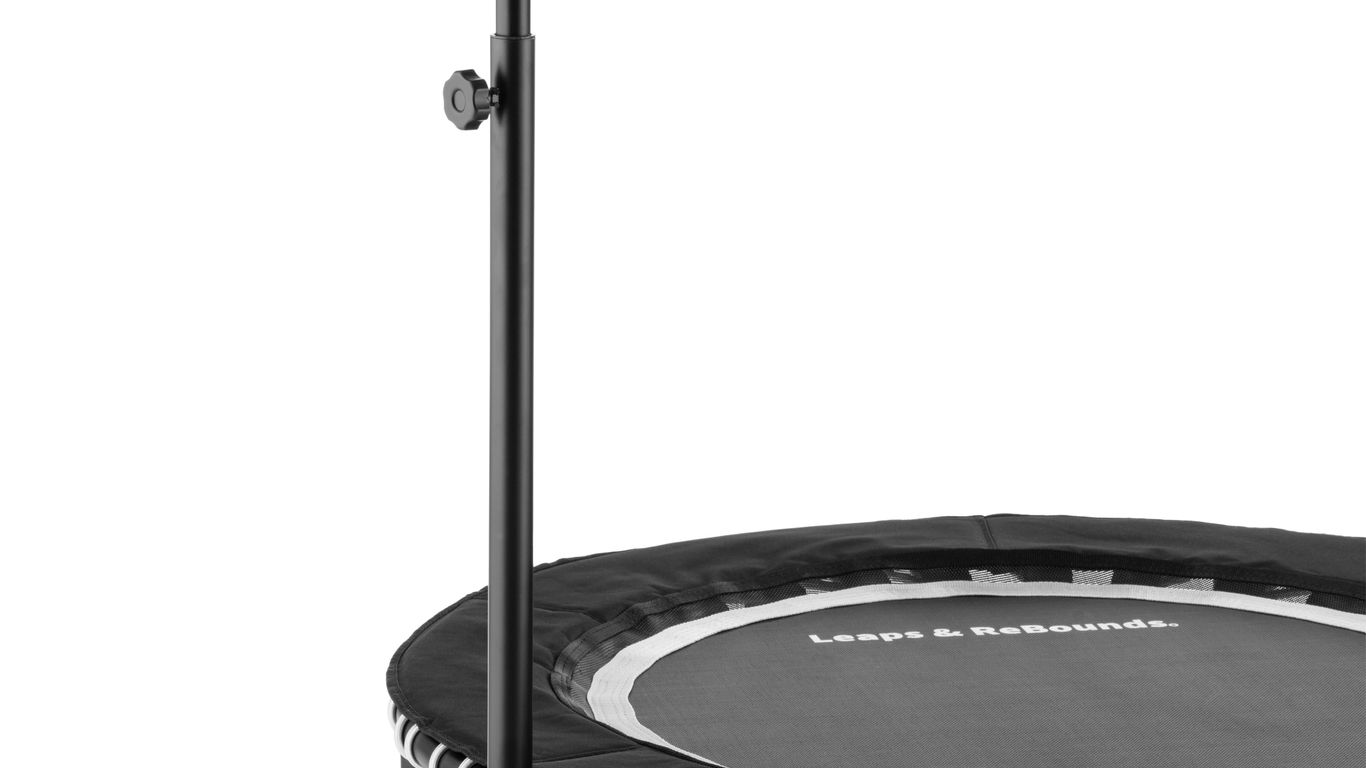
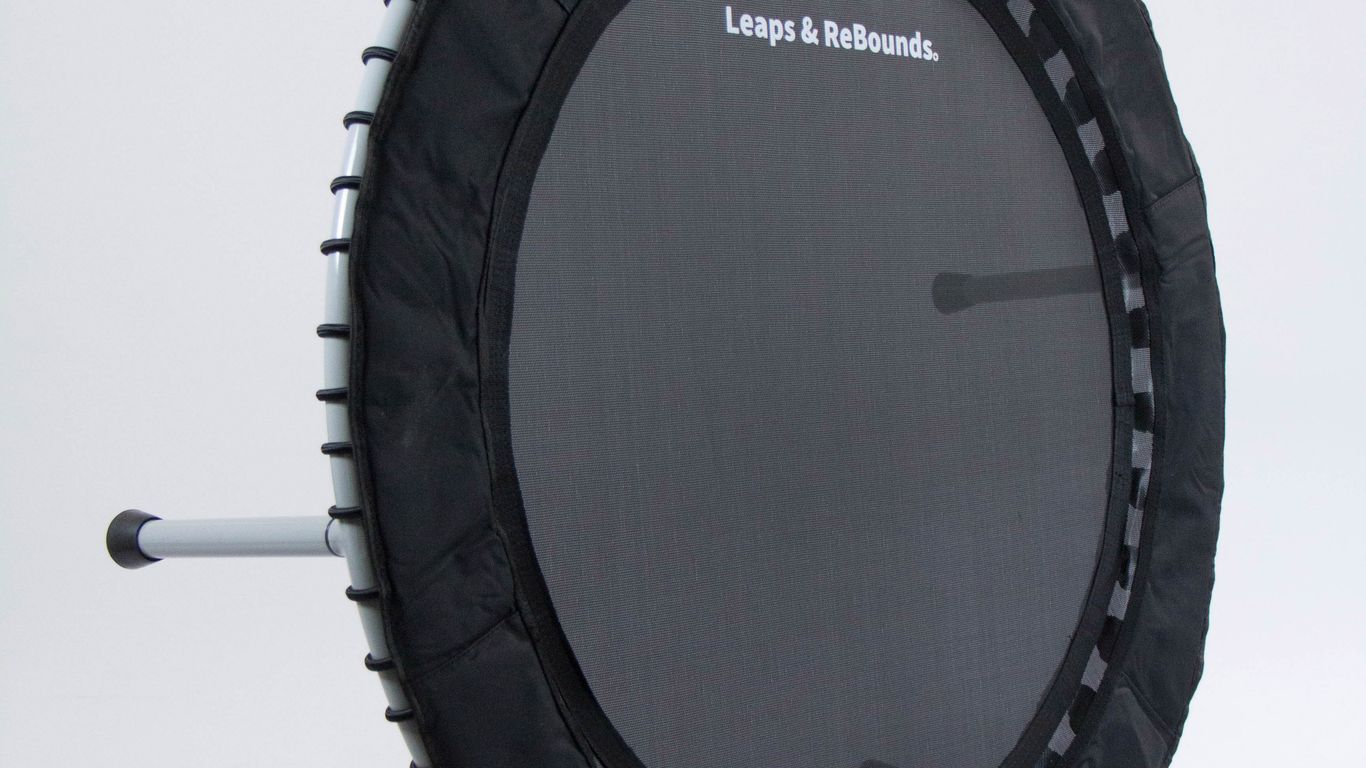
Getting started is simpler than you might think. First off, pick a rebounder that feels sturdy. You don't want something that wobbles or feels flimsy – that's just asking for trouble. Look for one with a good number of springs, usually around 32, that taper a bit. This gives you a better, more controlled bounce. Some even come with a handle bar, which can be super helpful when you're first finding your balance.
When you first hop on, don't go crazy. Start with basic, low bounces. Just get used to the feeling of being on the trampoline. You can even just stand on it and do some simple movements like marching in place. After a few minutes of that, try some gentle jumping jacks or basic bouncing. The key is to listen to your body and not push too hard too soon.
Here are a few things to keep in mind:
- Start Slow: Begin with short sessions, maybe 10-15 minutes, a few times a week.
- Focus on Form: Even with simple bounces, try to keep your core engaged and land softly.
- Stay Hydrated: Like any workout, drink water before, during, and after.
- Have Fun: Put on some music and just enjoy the movement!
Structuring Effective and Time-Efficient Workouts
Rebounding is super versatile, so you can use it in a bunch of ways. It’s great as a quick warm-up before your main workout. Just five to ten minutes of light bouncing can get your blood flowing and wake up your nervous system, preparing you for more intense activity. It’s also perfect for active recovery days. A gentle rebounding session can help your muscles recover without being completely sedentary.
For a standalone cardio session, aim for 20-30 minutes. You can mix up different types of bounces and movements. Try high knees, jumping jacks, or even some simple twists. You can also incorporate strength exercises between rebounding intervals for a kind of contrast training. For example, bounce for a minute, then do 10 squats, then bounce again. This approach can really boost your overall fitness capacity.
The beauty of rebounding lies in its ability to be both a low-impact cardio session and a tool for improving coordination and balance. It’s a workout that feels more like play, making consistency much easier to achieve. You can easily fit in a 15-minute session during a lunch break or before dinner, getting a significant health boost without a huge time commitment.
Remember, consistency is more important than intensity when you're starting out. Even short, regular sessions will yield great results over time. So, find a routine that works for you and enjoy the bounce!
The Future of Fitness: Is Rebounding Cardio Here to Stay?
So, is this whole mini-trampoline thing just a passing fad, or is rebounding cardio actually going to stick around in the fitness world? Honestly, it looks like it's got some serious staying power. It’s not just about the novelty anymore; people are really seeing the benefits and finding it fits into their lives.
Rebounding as a Sustainable Exercise Choice
One of the biggest reasons rebounding is likely here to stay is how sustainable it is. Think about it: it's incredibly gentle on your joints. Unlike running or jumping on a hard surface, the rebounder absorbs a lot of the shock. This means people who might have issues with their knees, ankles, or hips can still get a great cardio workout without the usual pain. It’s also pretty cost-effective. You buy a rebounder once, and you’ve got a gym in your living room. No monthly fees, no commuting to a studio. Plus, it’s compact enough to fit in most homes, making it super convenient. This accessibility is key for long-term adherence. It’s not just for elite athletes; it’s for everyday folks looking for a way to stay active.
The Versatility of Rebounding Workouts
Another point in its favor is just how versatile rebounding is. It’s not just bouncing up and down. You can do all sorts of things on a rebounder. You can add light weights, use resistance bands, do dance routines, or even incorporate balance drills. It can be a high-intensity cardio blast, a gentle active recovery session, or part of a more complex training plan. This adaptability means it can meet you where you are, whether you're just starting out or you're a seasoned fitness enthusiast. It’s a tool that can grow with you. For example, you can start with simple bouncing and gradually move to more complex movements as your balance improves.
Rebounding's Role in Modern Fitness Trends
Rebounding also taps into a few modern fitness trends. People are looking for workouts that are fun and engaging, and rebounding definitely fits the bill. It feels more like play than work, which helps people stick with it. It also aligns with the growing interest in low-impact exercises and holistic wellness. Beyond the physical, the mood-boosting effects are a big draw. Releasing endorphins while bouncing can really help with stress relief. It’s a way to get your heart rate up, strengthen your body, and clear your head all at once. It’s a well-rounded activity that addresses multiple aspects of well-being, making it a smart choice for a balanced fitness routine.
The beauty of rebounding lies in its ability to offer a challenging workout without the harsh impact often associated with traditional cardio. This makes it an inclusive option for a wide range of individuals, promoting consistent engagement and long-term health benefits.
Here’s a quick look at how rebounding stacks up:
- Low-Impact: Gentle on joints, suitable for many fitness levels.
- Cardio Boost: Effectively raises heart rate and improves endurance.
- Versatile: Can be adapted for various fitness goals and intensities.
- Accessible: Compact, convenient, and relatively affordable.
- Mood Enhancer: Releases endorphins, helping to reduce stress.
Is bouncing on a mini-trampoline the next big thing in staying fit? Many people are jumping on this trend, and it's easy to see why! It's a fun way to get your heart pumping without being too hard on your joints. Want to see if this exciting workout is right for you? Check out our website to learn more and find the perfect rebounder to get you started!
So, Is Rebounding the Next Big Thing?
After looking at all the ways rebounding can help us get fit, it's pretty clear why it's becoming so popular. It's not just a fun way to move your body; it actually works. Whether you're looking to get your heart rate up without pounding your joints, improve your balance, or just find an exercise you actually want to do, this mini-trampoline workout seems to tick a lot of boxes. It’s accessible for most people, can be done right at home, and doesn't require hours of your time to see benefits. While it might not replace every single workout you do, it’s definitely earned its spot as a serious contender in the fitness world. Give it a try – you might just surprise yourself with how much you enjoy bouncing your way to better health.
Frequently Asked Questions
What exactly is rebounding?
Rebounding is basically jumping or doing exercises on a small, bouncy trampoline called a rebounder. It's like a mini-trampoline workout that's super fun and good for you.
Is rebounding good for my heart?
Yes! Rebounding is a great cardio workout. It gets your heart pumping, which helps make it stronger and improves how well your blood flows. It's a fantastic way to get your heart rate up without being too hard on your body.
Can rebounding help me lose weight?
Definitely! Rebounding burns calories, just like other exercises. Doing it regularly can help you shed extra pounds and boost your metabolism, which means your body burns more energy even when you're resting. Plus, it's so enjoyable that you'll want to keep doing it!
Is rebounding easy on my joints?
One of the best things about rebounding is that it's low-impact. The trampoline surface soaks up a lot of the shock, so it's much gentler on your knees, ankles, and hips compared to activities like running on hard surfaces. This makes it a great choice for almost everyone.
How do I get started with rebounding?
Start slow! Begin with short sessions, maybe 5 to 10 minutes, just getting used to the feeling of bouncing. You can use a wall or a support bar if you need help with balance. As you get more comfortable, you can gradually increase the time and try different moves.
Can rebounding help with balance?
Absolutely! Because the rebounder is a slightly wobbly surface, your body has to work harder to stay balanced. This constant little adjustment actually makes your balance and coordination much better over time. It's like a fun training session for your stability!


0 comments