
So, your trampoline isn't quite as bouncy as it used to be, or maybe a piece looks a little worse for wear. It happens. Trampolines get a lot of use, and parts like the mat, springs, or safety net can start to show their age. Don't worry, though. Most of the time, you don't need a whole new trampoline. This guide is all about figuring out what trampoline parts replacement you might need and how to get your trampoline back in action safely.
Key Takeaways
- Regularly check your trampoline for signs of wear, like tears in the mat, worn padding, or rusty springs. This helps you catch problems early.
- The jumping mat, safety nets, frame pads, and springs are the most common trampoline parts replacement needs.
- When buying new parts, always match them to your trampoline's size and brand. Look at the materials too, for better durability.
- Replacing parts yourself is often doable if you have basic tools and follow instructions. For trickier jobs, professional help is an option.
- Understand that parts have a lifespan, and while some have warranties, wear and tear are normal. Knowing this helps you plan for future trampoline parts replacement.
Assessing Your Trampoline's Condition for Parts Replacement
Before you even think about ordering new parts, it's super important to take a good, hard look at your trampoline. You know, give it a thorough once-over. It's not just about spotting the obvious rips; sometimes the wear and tear is a bit more sneaky. Doing this check-up properly means you'll know exactly what needs replacing and won't end up with a pile of parts that don't actually fix the problem. Plus, it’s a great way to make sure your trampoline is safe for everyone to use.
Identifying Signs of Wear on the Jumping Mat
The jumping mat is where all the action happens, right? So, it's bound to show some signs of use. Look for any small tears or punctures first. Even a tiny hole can get bigger surprisingly fast. Also, check the stitching around the edges. If you see threads coming loose or the stitching is pulling away, that's a sign it's weakening. You might also notice the mat starting to sag a bit in the middle, especially if it's been exposed to heavy snow or objects left on it. A worn-out mat can affect the bounce and, more importantly, compromise safety.
Recognizing Deterioration in Safety Nets and Pads
These are the parts that keep you from flying off, so they're pretty critical. For the safety net (or enclosure), check for rips, holes, or any signs of the material thinning out. Make sure it's still securely attached to the poles and the frame. The pads that cover the springs and frame are just as important. Feel them to see if they're still firm or if they've become hard and brittle. Look for tears, especially where they've been hit or rubbed. Also, pay attention to the straps or bungees that hold the pads in place; these can stretch out or break.
Detecting Issues with Trampoline Springs and Frame
Now, let's talk about the springs. Each one should be firmly attached at both ends and look intact. Are any of them bent, rusted, or broken? Missing springs or damaged ones can put extra stress on the remaining ones and affect the bounce. For the frame itself, give it a good inspection. Look for any rust, especially around the joints or welds. Check if any parts are bent, cracked, or seem wobbly. A compromised frame is a serious safety hazard, so don't overlook this. It's always a good idea to check the frame for rust and other damage.
When you're assessing your trampoline, think of it like a doctor's check-up for your backyard fun zone. You're looking for anything that's not quite right, from the big stuff like a bent frame to the small stuff like a loose stitch. Catching these issues early can save you a lot of trouble and keep the good times bouncing.
Here’s a quick checklist to help you out:
- Jumping Mat: Tears, holes, loose stitching, sagging.
- Safety Pads: Rips, holes, brittle material, worn-out straps.
- Safety Net: Rips, holes, thinning material, secure attachments.
- Springs: Rust, bends, breaks, secure attachment at both ends.
- Frame: Rust, bends, cracks, loose bolts, wobbly joints.
Key Trampoline Components Requiring Replacement
Over time, even the most robust trampolines will show signs of wear. Ignoring these signs can turn a fun backyard feature into a safety hazard. Knowing which parts are most likely to need replacement is half the battle. Let's break down the main players that keep your trampoline bouncing safely.
The Importance of a Sound Trampoline Mat
The jumping mat is where all the action happens, and it takes a beating. Think about the constant flexing, the weight of jumpers, and the effects of sun and rain. Over years of use, you might notice the mat losing some of its springiness. This isn't just about a less exciting bounce; it's a sign that the fibers are weakening. You might even start seeing thin spots or small holes where the material has given up. A compromised mat can lead to unexpected tears, which is a serious risk.
Understanding Frame Pad Functionality
Those thick pads covering the metal frame and springs aren't just for looks. They're your first line of defense against hard impacts. Made from shock-absorbent materials, their job is to cushion any accidental falls or missteps. However, these pads degrade over time. They can become brittle from UV exposure, get torn by weather, or simply compress and lose their effectiveness. If your pads are cracked, flattened, or missing pieces, they're not doing their job, and that leaves the metal parts exposed and dangerous.
The Role of Trampoline Springs in Performance
Trampoline springs are the engine of your bounce. They connect the mat to the frame, storing and releasing energy with every jump. When springs start to weaken, rust, or break, the entire jumping experience changes. You'll notice a duller bounce, and worse, a broken or stretched spring can create uneven tension across the mat, leading to unpredictable jumps and potential injuries. Inspecting your springs for signs of rust, stretching, or cracks is vital for maintaining both performance and safety.
Selecting the Correct Replacement Parts
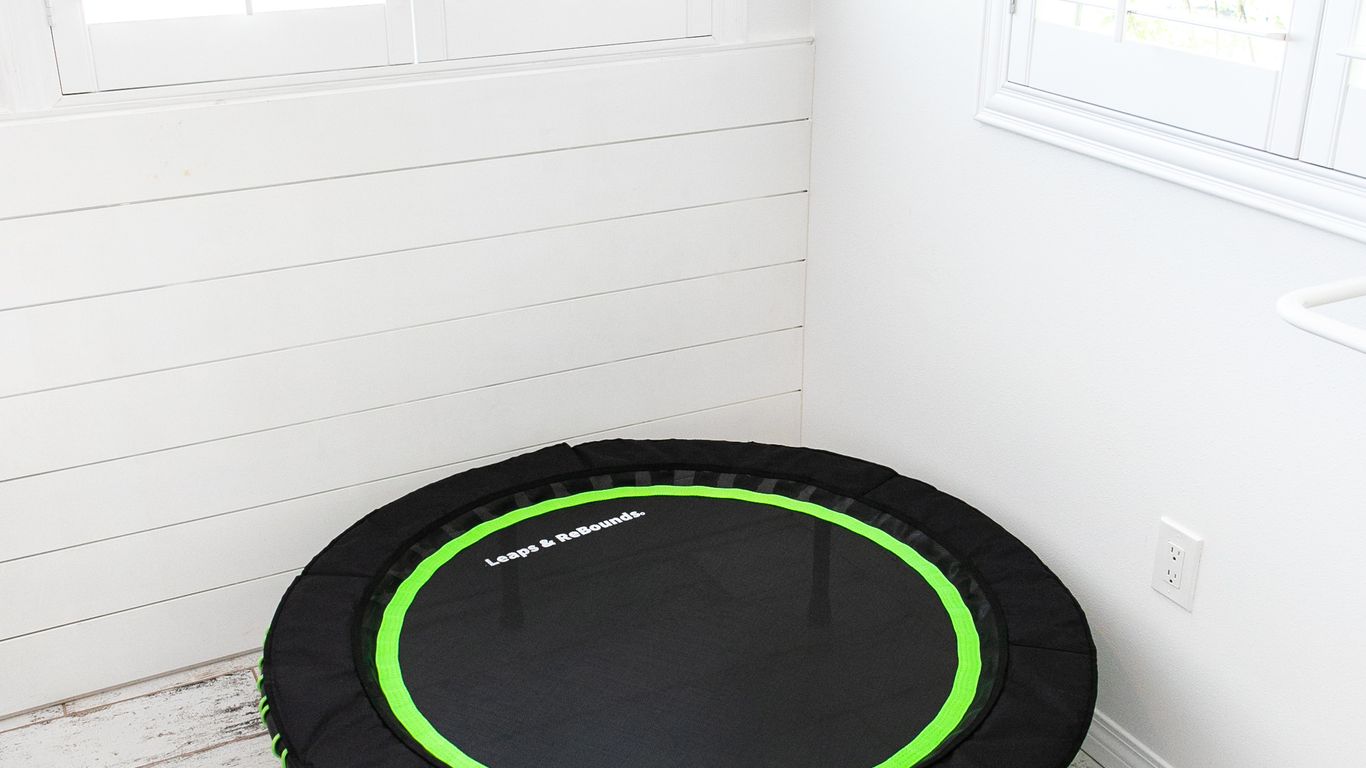
So, you've figured out that a part on your trampoline needs replacing. Awesome! But now comes the tricky bit: actually finding the right part. It’s not as simple as just grabbing the first thing you see at the store, trust me. Getting the wrong size or type can lead to more problems, and nobody wants that. Let's break down how to make sure you get exactly what you need.
Matching Replacement Parts to Your Trampoline Size
This is probably the most important step. If you get the size wrong, the part just won't fit, or worse, it might fit poorly and cause safety issues. You need to know your trampoline's dimensions. Most round trampolines come in standard sizes like 8ft, 10ft, 12ft, 14ft, or 16ft. For other shapes, like rectangular or oval, you'll need to measure carefully. Always measure your trampoline's frame diameter or width and length to be absolutely sure. Don't guess! Some manufacturers also have specific model numbers or serial numbers that help identify the exact size and type of parts needed. It's worth digging around the frame for any stickers or engraved plates.
Considering Brand Compatibility for Parts
While many trampoline parts might look similar, they aren't always interchangeable between brands. Some brands have unique designs or attachment methods. If you have a popular brand, check if they offer their own replacement parts. Sometimes, parts from one brand might work with another, but it's a gamble. It's usually safest to stick with parts made for your specific trampoline brand. If you're unsure, contacting the manufacturer directly or checking their website is a good move. For example, if you need a new trampoline mat, make sure it's listed as compatible with your model.
Understanding Material Quality for Longevity
Think about what the part is made of. A cheap, flimsy mat might save you money upfront, but it'll likely wear out much faster, especially if it's exposed to sun and rain. Look for durable materials. For springs, galvanized steel is common because it resists rust. For mats, you want strong, UV-resistant polypropylene. Frame pads should have thick, weather-resistant padding. High-quality materials mean the part will last longer, perform better, and keep your trampoline safer for longer. It’s an investment in fun and safety!
Here’s a quick rundown of what to look for:
- Mats: Look for heavy-duty, UV-treated polypropylene. Check stitching quality.
- Springs: Galvanized steel is best for rust resistance. Consider the length and gauge.
- Pads: Thick foam with a durable, weather-resistant outer cover (like PVC).
- Nets: Strong, tightly woven mesh that can withstand stretching and weather.
When you're buying replacement parts, especially for safety features like nets and pads, don't cut corners. The materials used directly impact how long the part will last and how safe it keeps your trampoline. It's better to spend a little more on a quality item than to have to replace it again in a year.
Replacing Your Trampoline's Safety Features
Safety features on a trampoline are there for a reason, and when they start to look a bit sad, it's time to pay attention. Think of them as the unsung heroes of your trampoline setup, quietly working to keep everyone safe.
When to Replace Trampoline Safety Nets
Trampoline safety nets, those mesh walls that surround the jumping area, take a beating. Sun, rain, and the sheer force of enthusiastic bouncing can wear them down. You'll know it's time for a replacement when you start seeing small tears, holes, or the stitching coming undone. A compromised net can easily lead to a bouncer falling off the trampoline, which is exactly what it's supposed to prevent. It's not just about aesthetics; it's about function. If the net feels flimsy or doesn't stand up straight anymore, it's probably time to look into getting a new one. For practical advice on repairing or replacing these nets, check out this guide on effective methods.
Addressing Worn Frame Padding
Those colorful pads that cover the springs and the metal frame are another critical safety component. They're designed to cushion any accidental falls onto the frame or springs. Over time, the foam inside can degrade, and the outer material can rip or fade. If the padding is thin, torn, or no longer provides adequate cushioning, it's a hazard. You might notice the foam is compressed and doesn't spring back, or the fabric is so worn you can see the metal underneath. Replacing these pads is usually straightforward, often involving ties or straps to secure them.
Evaluating Trampoline Ladder Integrity
While not always a permanent fixture, the trampoline ladder is how most people get on and off. If yours is looking a bit wobbly, rusty, or has cracked steps, it's a problem. A ladder that breaks mid-climb can cause serious injuries. Give the rungs a good shake and check for any signs of stress or damage. Even if it seems okay, if it's been exposed to the elements for a long time, consider its age and condition. It might be time for a new one to ensure safe access to the fun.
Keeping these safety features in good shape isn't just about preventing a single bad fall; it's about maintaining a generally safe environment for play. Regular checks can catch small issues before they become big problems, saving you hassle and potential injuries down the line.
Ordering and Installing Trampoline Parts
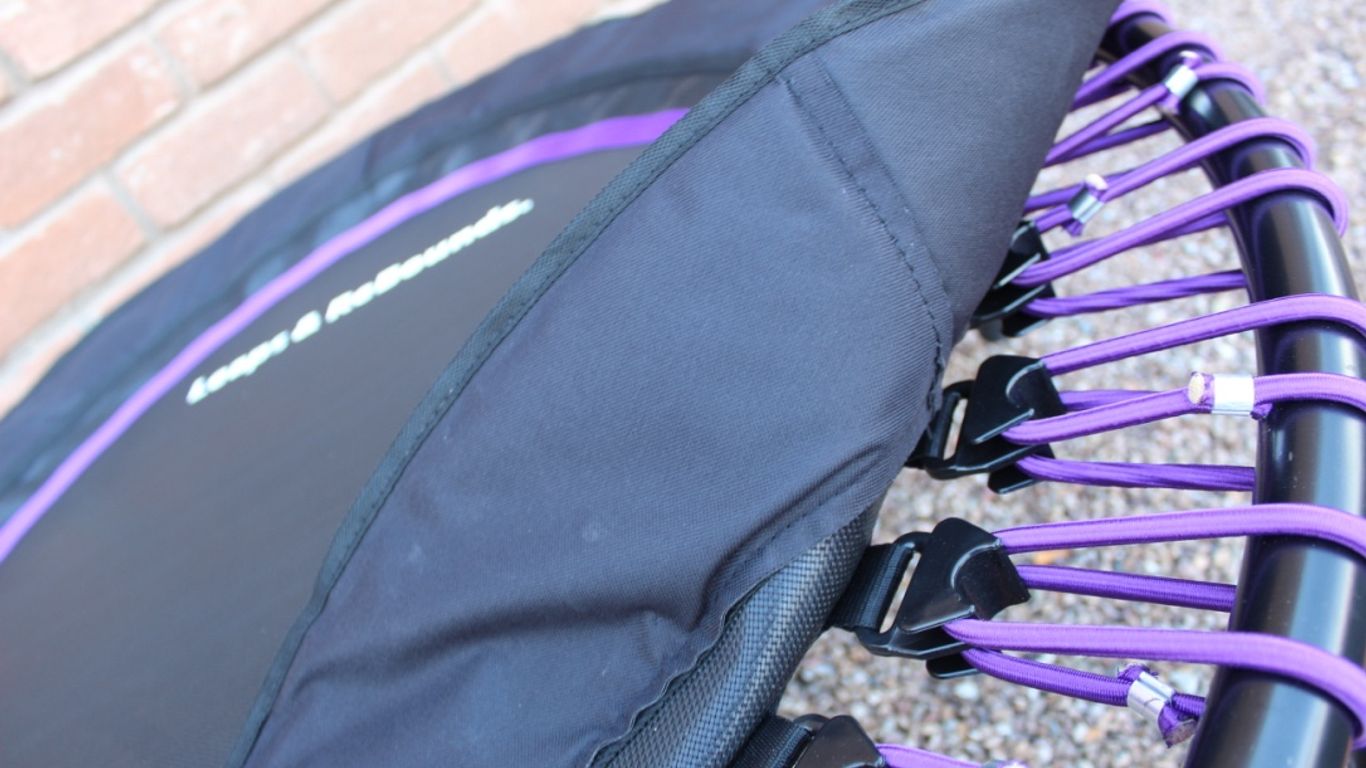
So, your trampoline needs a little TLC. Maybe the mat's seen better days, or a spring has sprung (pun intended!). Don't sweat it. Getting the right parts and putting them on isn't as scary as it sounds. The key is having the right information before you even pick up the phone or start clicking.
Gathering Necessary Trampoline Information for Orders
Before you can order anything, you need to know what you're working with. It's like going to the doctor – they need to know your symptoms before they can prescribe something. For trampolines, this means figuring out:
- Trampoline Size: This is usually measured by diameter (for round trampolines) or length and width (for square or rectangular ones). Common sizes are 8ft, 10ft, 12ft, 14ft, and 16ft. You can measure from edge to edge across the jumping surface.
- Model or Serial Number: This is the golden ticket. Look for a sticker on the frame, or sometimes it's even engraved. If you can't find it, don't panic. Some manufacturers let you count the number of mat rods (those metal pieces that hold the mat) instead. This is super important for getting the correct fit.
- Shape: Is it round, square, or oval? This also plays a big role in part compatibility.
Having these details ready will make the ordering process so much smoother. You won't be left guessing or holding up the line.
The Process of Ordering Specific Trampoline Parts
Once you've got your trampoline's specs, it's time to order. For some brands, like Springfree, you actually have to call them directly to order parts. They say it's because their trampolines are a bit more complex, and they want to make sure you get exactly what you need. When you call, be ready to give them that serial number or mat rod count and the shape. You can say something like, "Hi, I need a new mat for my 14-foot round trampoline. The serial number is XXXXX."
For other brands, you might be able to order online. Always check the manufacturer's website first. Look for a "Parts" or "Support" section. You'll often find sizing charts and compatibility guides. If you're looking for something like replacement bungees, you might find packs that come with a specific number of units, like the Cotton Candy Bungee Pack which includes 12 bungees [e0a2].
Here's a quick rundown of what to expect:
- Identify the Part: Figure out exactly what needs replacing – mat, springs, net, pads, etc.
- Gather Info: Get your trampoline's size, shape, and model/serial number.
- Contact Seller/Manufacturer: Call them or check their website.
- Provide Details: Give them all the info you gathered.
- Confirm Order: Double-check the part number and price before paying.
DIY vs. Professional Trampoline Parts Replacement
So, you've got the new part. Now what? Most people can handle replacing trampoline parts themselves. If you were able to put the trampoline together in the first place, you can probably swap out a mat or some springs. Manufacturers often provide product manuals or even have helpful YouTube videos to guide you through the process. Some even offer apps with 3D instructions, which can be pretty neat.
However, if you're not feeling confident, or if the part replacement seems particularly tricky (like maybe a whole frame section), there's always the option of hiring a professional. This usually costs a bit more, anywhere from $250 to $399, depending on the part and the service. It's a trade-off between saving money and saving yourself the hassle and potential frustration.
When you're deciding whether to DIY or call a pro, think about your comfort level with tools and assembly. Sometimes, paying a bit extra for peace of mind is totally worth it, especially when safety is involved. Don't feel bad if you decide it's not a weekend project for you!
Understanding Trampoline Part Lifespan and Warranties
So, how long can you expect your trampoline parts to actually last? It's a question many of us wonder about, especially after shelling out for a new one. Honestly, it really depends on a few things, like how much you use it, the quality of the parts to begin with, and even the weather it's exposed to. Regular maintenance and care can significantly extend the life of your trampoline components.
Factors Affecting Trampoline Part Durability
Think of your trampoline like a car; the more you drive it, the more wear and tear it gets. The same goes for trampolines. Frequent jumping, especially by heavier users, puts more stress on the springs and the mat. Outdoor trampolines also face the elements – sun, rain, and snow can all take their toll over time. UV rays can degrade materials, and moisture can lead to rust on metal parts. Even leaving heavy objects or snow on the mat can cause unnecessary stretching and damage.
Here's a quick look at what influences how long parts last:
- Usage Frequency: How often is the trampoline used, and by how many people?
- User Weight: Heavier jumpers put more strain on springs and the mat.
- Environmental Exposure: Direct sunlight, rain, snow, and extreme temperatures.
- Material Quality: Higher-quality materials generally withstand wear better.
- Maintenance: Regular cleaning and checks can prevent small issues from becoming big ones.
Warranty Coverage for Trampoline Replacement Parts
Most reputable trampoline manufacturers offer some kind of warranty on their products. This is a good indicator of their confidence in the quality of their parts. Warranties can vary wildly, though. Some might cover just the frame for a limited time, while others might offer a more extensive lifetime warranty covering multiple components like the frame, jumping mat, springs, and safety net. It's super important to read the fine print before you buy. Understand what's covered, for how long, and what conditions might void the warranty (like improper assembly or using the trampoline for commercial purposes if it's designed for home use).
When to Expect Replacement Needs
It's not always a clear-cut date when a part needs replacing. Often, you'll notice gradual changes. For springs, you might feel a difference in the bounce – it just doesn't feel as lively as it used to. You might also see visible stretching or rust. For the mat, look for thinning spots, small tears, or fraying stitches. Safety nets can become brittle and lose their elasticity. Frame pads might become compressed and less effective at cushioning.
Don't wait until a part completely fails to consider replacement. Small issues, like a slightly loose spring or a minor snag in the net, can often be addressed with simple repairs or replacements before they cause damage to other parts or become a safety hazard. Keeping an eye on things and acting proactively is key to keeping your trampoline safe and fun for years to come.
Generally, you might start seeing the need for replacements after a few years of consistent use, but with good care, some parts could last much longer. It's all about observation and a bit of preventative action.
Thinking about how long your trampoline parts will last? It's smart to know what's covered. Our trampolines come with a solid guarantee, so you can jump with confidence. Want to learn more about our commitment to quality and what our warranty includes? Visit our website today to get all the details and see why customers trust us for their fitness needs!
Wrapping It Up
So, there you have it. Trampolines are awesome for fun, but like anything, parts can wear out. Whether it's a ripped mat, stretched springs, or worn-out pads, knowing what to look for and how to replace these bits can save you a lot of hassle. Taking a little time to check your trampoline regularly and swap out parts when needed means everyone can keep jumping safely. It’s not rocket science, and with a bit of care, your trampoline can keep providing smiles for years to come. Happy bouncing!
Frequently Asked Questions
How do I know when my trampoline needs new parts?
Look for signs of wear and tear. This includes rips or thin spots on the jumping mat, tears in the safety net, or if the safety pads look worn out and aren't protecting the springs well anymore. If the trampoline doesn't bounce like it used to, or if you see rust or stretched-out springs, it's probably time for replacements.
What are the most common trampoline parts that need replacing?
The most common parts that wear out are the jumping mat and the safety net. The mat takes a lot of stress from bouncing, and the net can get damaged by weather or use. Trampoline springs can also weaken or break over time, and the foam pads that cover the springs and frame can get worn down.
How do I make sure I buy the right size replacement parts?
It's super important to get the right size! For the mat, you usually need to measure the diameter of your trampoline from edge to edge. For springs, count how many you have and check their length and thickness. It's also helpful to know your trampoline's brand and model number. Always check the product description for sizing guides.
Can I replace the parts myself, or do I need a professional?
Most people can replace trampoline parts themselves, especially if they've put the trampoline together before. There are many online guides and videos that can help. If you're not comfortable doing it yourself, or if the repair seems complicated, you can hire a professional to do it for you.
How long do trampoline parts usually last?
With normal use and good care, many trampoline parts can last for several years. High-quality mats and nets might last 5-10 years or even longer. Springs and pads might need replacing a bit sooner, maybe every 3-5 years, depending on how much the trampoline is used and the quality of the parts.
What should I do if a part is still under warranty?
If a part is still covered by the manufacturer's warranty, you should contact the company you bought the trampoline from or the manufacturer directly. They will guide you through the process of getting a replacement part, often for free or at a reduced cost, including shipping.










0 comments