


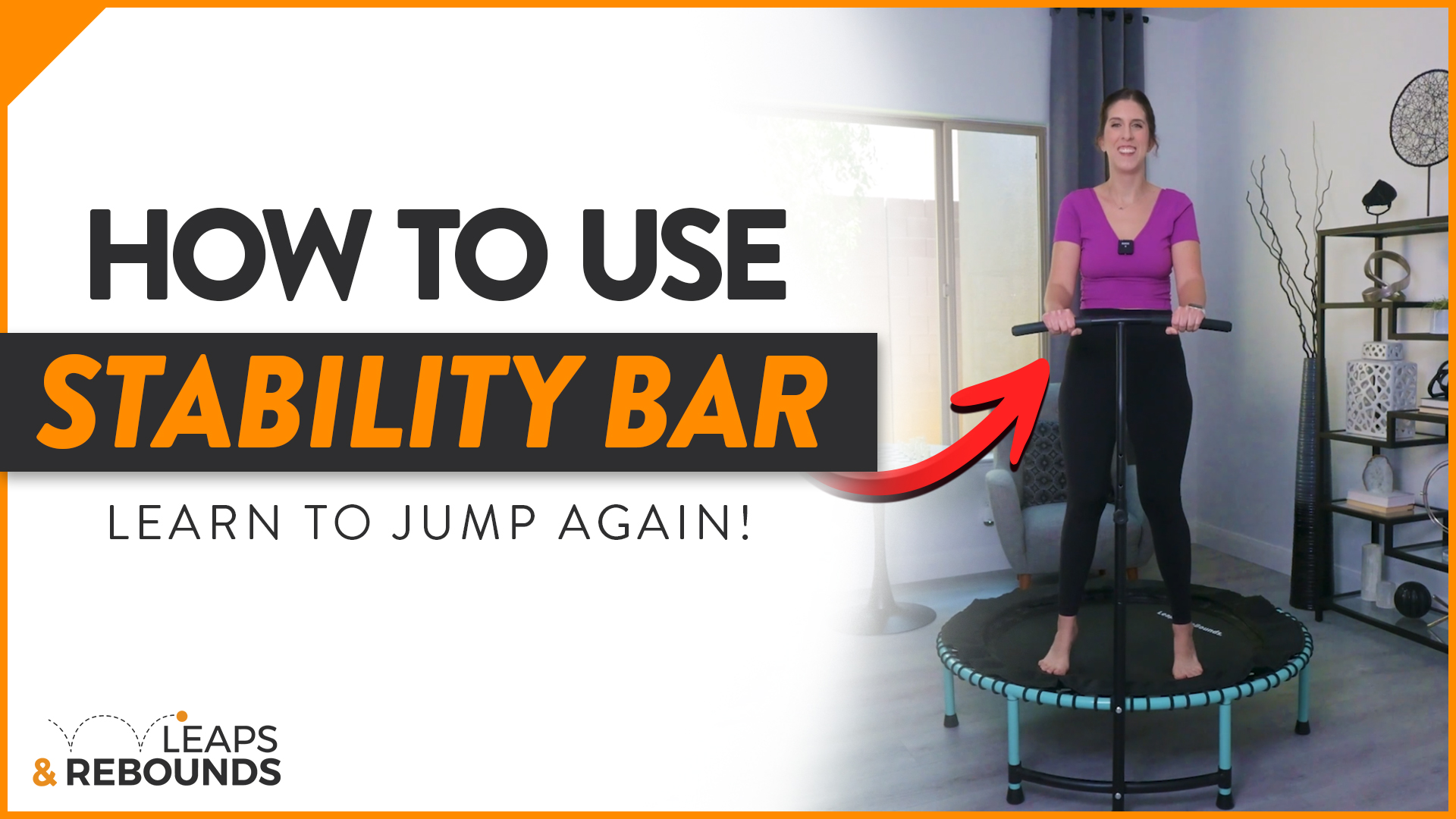










Thinking about getting into cardio fitness workouts but not sure where to start? You're not alone. Cardio isn't just for marathon runners or gym buffs—it's something everyone can benefit from, no matter your age or fitness level. Whether you like walking, cycling, or just grooving in a dance class, there’s a way to get your heart rate up that fits your style. This guide is here to break down what makes cardio so great, how to pick the right workout, and how to keep it going for the long haul. Let’s keep it simple, practical, and a little bit fun.
Key Takeaways
- Cardio fitness workouts can boost your heart and lung health, help you manage stress, and lower your risk of chronic conditions.
- You don’t have to stick to one machine—mix it up with treadmills, bikes, rowers, or group classes to keep things interesting.
- Always warm up before you get going and cool down when you finish to help your body adjust and recover.
- Try different types of cardio, like intervals or steady-paced sessions, and see what feels best for you.
- Stay safe by listening to your body, fueling up with the right foods, drinking plenty of water, and checking in with your doctor if you’re new to exercise.
Understanding the Core Benefits of Cardio Fitness Workouts
So, you're thinking about getting into cardio, huh? Maybe you've heard it's good for you, and yeah, it totally is. But it's not just about burning a few extra calories or fitting into those jeans from college. Getting your heart pumping regularly does some pretty amazing things for your body and your head. It's like a full-body tune-up that pays dividends way beyond your workout session.
Boosting Heart and Lung Health
This is the big one, right? When you do cardio, you're basically giving your heart and lungs a really good workout. Over time, this makes them stronger and more efficient. Your heart gets better at pumping blood, which means more oxygen gets delivered to your muscles and organs. Your lungs get better at taking in air and getting rid of carbon dioxide. Think of it like upgrading your body's engine and air filters. This improved efficiency means you'll feel less winded doing everyday stuff, like climbing stairs or carrying groceries. It's a direct path to better cardiovascular health.
Supporting Mental Well-Being
It's not all about the physical stuff, though. Ever notice how you feel a bit lighter and happier after a good run or bike ride? That's thanks to endorphins, those natural mood boosters your brain releases. Cardio is a fantastic way to blow off steam, reduce feelings of stress and anxiety, and just generally get a clearer head. It can even help improve your sleep quality, which, let's be honest, makes everything else feel a lot easier. It's a solid strategy for managing daily pressures and keeping your outlook positive.
Reducing Risks of Chronic Diseases
This is where cardio really shines for long-term health. Regular cardiovascular activity is a proven way to lower your chances of developing some pretty serious health issues down the road. We're talking about things like heart disease, stroke, and type 2 diabetes. By keeping your heart healthy and your body's systems running smoothly, you're actively building a defense against these conditions. It's a proactive step you can take today for a healthier tomorrow. Plus, it can help manage blood pressure and cholesterol levels, which are key indicators of overall health. A consistent cardio routine is a smart investment in your future self.
Think of cardio not just as exercise, but as a form of preventative medicine. It's a powerful tool that helps your body function better and protects it from common ailments that can arise with age or lifestyle choices.
Choosing the Right Cardio Equipment and Activities
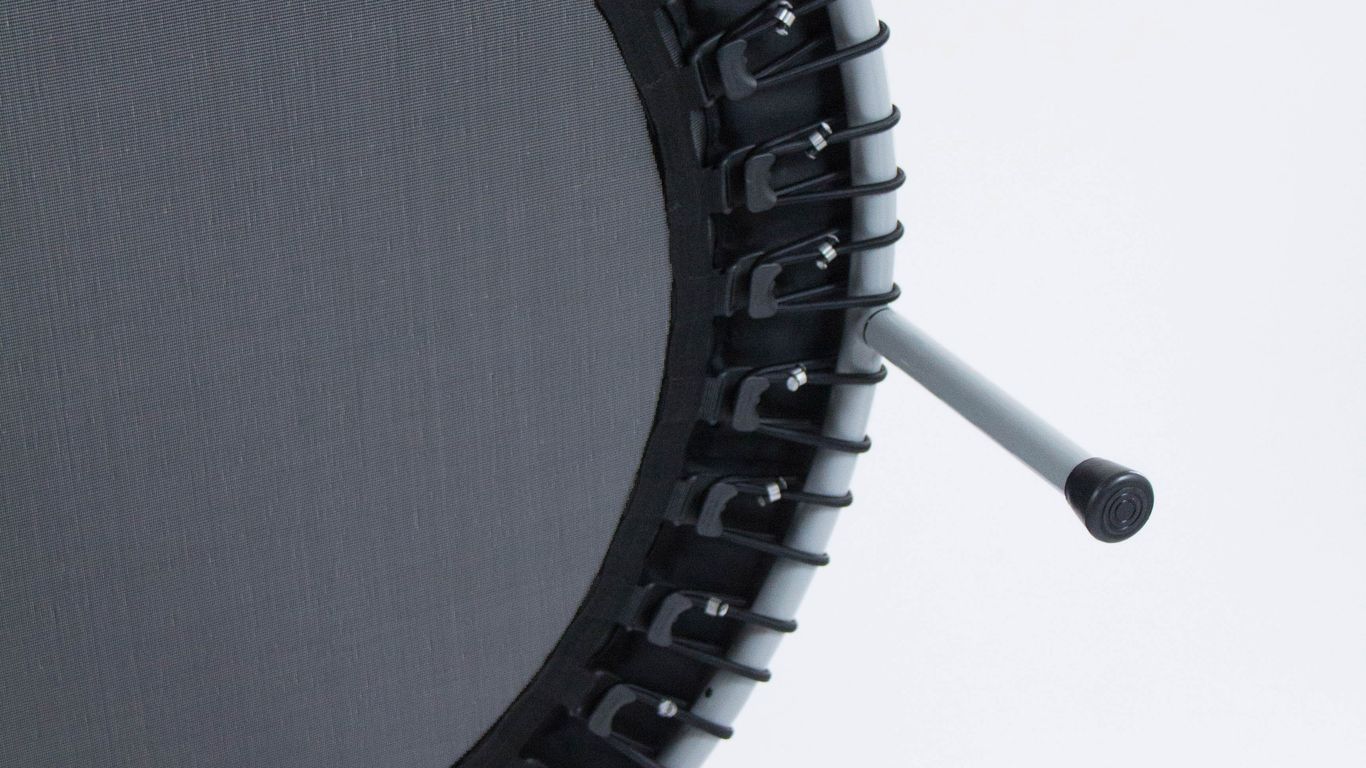
Finding the perfect cardio workout really depends on what gets you moving. Some people like machines, others prefer classes, and plenty switch it up week to week. Let’s look at your options so you can figure out what feels right for you.
Exploring Treadmills, Bikes, and Rowers
Picking the right piece of equipment comes down to what excites you and what fits your goals. Here’s a look at popular machines:
| Machine | Main Benefits | Best For |
|---|---|---|
| Treadmill | Adjustable speed & incline | Walkers, runners |
| Exercise Bike | Low-impact, joint-friendly | Knee/hip sensitivity |
| Rower | Works upper & lower body | Full-body workouts |
| Elliptical | Total body, low-impact | Cross-training, rehab |
Each machine has its own perks. Treadmills can mimic outdoor running, while rowing machines activate your whole body. Bikes and ellipticals tend to be easier on the knees and good for steady-state cardio. If you’re thinking of setting up a home gym, check out these best cardio machines for home gyms for solid recommendations that cover all budgets and spaces.
Fun Cardio Classes and Group Activities
Not everyone thrives working out solo or in front of a TV. Group activities can add a social spark and challenge you in new ways.
- Dance-based cardio (Zumba or hip-hop)
- Indoor cycling or spin classes
- Interval boot camps
- Water aerobics
- HIIT group circuits
The energy of a class or group workout is hard to match—everyone’s moving, and you’re not staring at the clock hoping your run is over.
Try a class you’ve never done before. You might feel awkward at first, but mixing things up beats getting bored with the same old routine.
Factors for Customizing Your Cardio Routine
No two routines need to look alike. What works for your friend or partner might not be a fit for you.
- Time Available: Only got 20 minutes? Try intervals or HIIT on machines like a Hydrow Wave Rower or bikes made for quick bursts.
- Physical Needs: Have joint issues or a previous injury? Stick to lower-impact machines or pool workouts.
- Motivation: Some people need numbers (pace, calories) to stay focused, while others are driven by music or group energy.
Building a good cardio routine is about experimenting. You might start with just walking, then add in classes or machines as you gain confidence and interest. Consistency and enjoyment are what really keep you going in the long run.
Essential Preparation for Cardio Fitness Workouts
Alright, so you're ready to get your heart pumping and your body moving. That's awesome! But before you jump straight into that intense cardio session, let's talk about getting your body prepped. It’s like getting your car ready for a road trip – you wouldn't just start driving without checking the basics, right? Doing this properly can make a big difference in how your workout feels and how your body recovers.
Warming Up Safely and Effectively
Think of a warm-up as a gentle nudge to your body, telling it, "Hey, we're about to do something active!" It’s not about breaking a sweat yet, but about getting your blood flowing and your muscles ready. This gradual ramp-up helps prevent those sudden pulls or strains that can sideline you before you even get started. A good warm-up prepares your body for the work ahead, making your workout more effective and safer.
Here’s a simple breakdown of what to include:
- Light Cardio: Start with about 5 minutes of something easy. This could be a brisk walk, a slow jog in place, or a few minutes on a stationary bike at a low resistance. The goal is just to get your heart rate up a little.
- Dynamic Movements: These are active stretches that mimic the movements you'll be doing. Think arm circles, leg swings (forward and backward, side to side), torso twists, and high knees. Aim for about 5-10 repetitions of each.
- Gradual Intensity Increase: As you move into your main workout, start at a lower intensity for the first few minutes and slowly build up to your target pace or resistance. This gives your cardiovascular system time to adjust.
Incorporating Dynamic and Light Cardio Movements
When we talk about dynamic movements, we mean exercises that get your joints moving through their full range of motion. Unlike static stretches (where you hold a position), dynamic stretches involve continuous motion. This is super important because it warms up the muscles and joints in a way that's relevant to the activity you're about to do. For example, if you're going for a run, leg swings are perfect. If you're doing a circuit with upper body work, arm circles and torso twists are your go-to.
Light cardio, as mentioned in the warm-up, is also key. It’s not just about getting your heart rate up; it’s about signaling to your body that it’s time to work. A few minutes of jogging or cycling at a low intensity gets the blood flowing to your muscles, delivering oxygen and preparing them for more strenuous activity. You can find beginner-friendly options for starting your fitness journey here.
Cooling Down for Faster Recovery
Don't just stop dead after your last rep or your final sprint. That abrupt stop can leave you feeling dizzy or cause blood to pool in your legs. A cool-down is your body's transition period back to a resting state. It helps your heart rate and breathing return to normal gradually, which is much kinder to your system.
Here’s what a good cool-down looks like:
- Light Cardio: Spend about 5 minutes doing a less intense version of your main workout. If you were running, walk. If you were cycling hard, pedal slowly.
- Static Stretching: Now is the time for holding stretches. Focus on the major muscle groups you used during your workout. Hold each stretch for about 20-30 seconds. This helps improve flexibility and can reduce that stiff feeling later on.
- Deep Breathing: Finish with a few minutes of slow, deep breaths to help your body relax and signal that the workout is complete.
Skipping the warm-up and cool-down is like trying to build a house without a foundation. You might get something up, but it's not going to be as stable or last as long. These steps are simple, but they really do make a difference in how you feel during and after your workouts, and they help keep you from getting hurt so you can keep showing up.
Remember, consistency is key, and aiming for about 150 minutes of moderate aerobic activity weekly is a good target to keep in mind [5b0d].
Structuring Cardio Fitness for Maximum Results
Getting the most from your cardio efforts isn’t only about sweating more. How you organize your workouts makes the difference between plateauing and seeing real progress. Whether you're a weekend jogger or training for a race, a smart structure helps you stay motivated and progress safely.
High-Intensity Interval Training Techniques
High-Intensity Interval Training (HIIT) is king if you're short on time and want serious results. It mixes quick, powerful bursts of movement with slower, short recovery times. Try sprinting on a bike, then recovering slowly on the pedals. Or switch up bodyweight moves—think burpees mixed with quick push-up sets. While HIIT takes effort, it keeps things interesting and can really help with both fat loss and improving your heart health. There are lots of HIIT workout ideas you can use, like those found in effective cardio routines check out this list for inspiration.
Sample HIIT Sprint Session Table
| Interval | Time (minutes) |
|---|---|
| Sprint | 1 |
| Light Jog/Recovery | 2 |
| Repeat (x5 rounds) | 15 total |
- Keeps workouts fresh and fast
- Can be done on any cardio machine
- Great for burning calories in less time
Switching up your intensity isn’t just good for progress—it keeps you from getting bored fast.
Steady-State Versus Sprint Cardio
Not every session needs to be explosive. Steady-state cardio, like a regular-paced run, a long walk, or a slow bike ride, is still very effective—and a good break from high-intensity work. On the other hand, sprint-style workouts focus on pushing all-out for short periods. Mixing both keeps your body guessing and is easier on the joints over the long haul. Here's a quick overview of the differences:
| Method | Intensity | Typical Duration | Purpose |
|---|---|---|---|
| Steady-State | Moderate | 30-60 mins | Endurance, fat burn |
| Sprint (HIIT) | High, short | 20-30 mins | Power, fast calorie burn |
Try alternating days—one day long, steady, next day short and fast. Listen to your body and see what feels right for you.
Integrating Cardio with Strength Training
Blending cardio and strength training is like giving your fitness a one-two punch. Mix them into one session with circuit-style workouts, or dedicate certain days to each. For instance, do a round of bodyweight squats, then two minutes of jump rope, then a set of push-ups, and repeat. This not only works your muscles but keeps your heart rate up the whole time. More ideas on combining routines (including HIIT) can be found through basic HIIT explanation.
Tips for mixing both:
- Alternate cardio and strength days in your weekly plan
- Use compound strength moves between short cardio bursts
- Schedule at least one recovery day per week
The best structure is the one you’ll actually stick to, so make your plan fit around your life—not the other way around.
Building a Sustainable Cardio Fitness Lifestyle
Making cardio a regular part of your life isn't just about hitting the gym a few times a week; it's about weaving it into your daily routine so it feels natural and, dare I say, enjoyable. It’s easy to get fired up for a new fitness plan, but keeping that fire going long-term is where the real magic happens. Think of it less like a chore and more like a commitment to feeling good, day in and day out.
Establishing Realistic and Motivating Goals
Setting goals is key, but they need to be the right kind of goals. Instead of just saying 'I want to lose weight,' try something more specific. Maybe it's 'I want to be able to jog for 30 minutes without stopping by the end of the month,' or 'I want to complete a 5k race in three months.' These kinds of goals give you something concrete to work towards. It's also smart to have a mix of short-term and long-term goals. Short-term wins, like hitting your workout target for the week, keep you motivated, while the long-term vision keeps you focused.
- Define your 'why': What's your main reason for wanting to be fitter? Is it for more energy, better health, or to keep up with your kids?
- Be specific: Instead of 'get fit,' aim for 'walk briskly for 45 minutes, three times a week.'
- Make them measurable: How will you know you've reached your goal? Track your progress.
- Ensure they're achievable: Don't set yourself up for disappointment with goals that are too ambitious too soon.
- Set a timeframe: Give yourself a deadline to create a sense of urgency.
Setting goals that are too vague or too difficult can quickly lead to frustration. It's better to start small and build momentum. Celebrate every little victory along the way; it makes the journey much more rewarding.
Staying Consistent and Finding Enjoyable Activities
Consistency is king when it comes to fitness. If you only work out when you feel like it, you'll likely miss more sessions than you attend. The trick here is to find activities you actually look forward to. If you dread every minute on the treadmill, try something else! There are so many options out there. Maybe you'd prefer dancing, swimming, hiking in nature, or joining a sports league. For women over 50, exploring activities like aqua aerobics or pickleball can be a great way to stay active and social. The key is variety and finding what makes you move. Don't be afraid to experiment until you find your perfect fit. Remember, the American Heart Association suggests a healthy dietary pattern that balances calorie intake with expenditure, and staying active is a big part of that balance.
Tracking Progress and Adjusting Your Plan
Keeping tabs on your progress is super important. It shows you how far you've come and helps you see what's working and what's not. You can use a simple notebook, a fitness app, or even just your phone's notes. Jot down your workouts: what you did, how long you did it for, and how you felt. Seeing those completed workouts pile up is a great motivator. Based on this information, you can then adjust your plan. If you're finding a particular workout too easy, it might be time to increase the intensity or duration. If you're feeling burnt out, maybe you need to scale back or swap in a different activity for a while. It's all about listening to your body and making smart changes to keep moving forward.
Optimizing Nutrition and Hydration for Cardio Sessions
Alright, so you're putting in the work with your cardio, which is awesome. But are you fueling your body right and staying hydrated? It makes a bigger difference than you might think. Think of it like putting premium gas in a sports car – you get better performance and keep the engine running smoothly.
Perfect Snacks for Pre-Workout Energy
Before you head out for a run or hit the gym, you want something that gives you energy without weighing you down. A banana with a tablespoon of almond butter is a solid choice. The banana offers quick carbs for immediate energy, and the almond butter adds a bit of healthy fat and protein for sustained fuel. Another good option is a small bowl of oatmeal with some berries. It's easy to digest and provides steady energy. The goal is to have fuel in the tank, not a heavy meal sitting in your stomach.
Hydration Strategies for Peak Performance
Staying hydrated is super important, especially when you're sweating it out. You don't want to wait until you're thirsty to drink; that's already a sign you're a bit behind. Try to sip water throughout the day. During your workout, aim to drink about 4 to 8 ounces of fluid every 15 to 20 minutes. If you're doing a really intense or long session, especially in the heat, you might consider a drink with electrolytes, but for most workouts, plain water is perfectly fine. Keeping a water bottle handy is a simple trick that really helps. Proper hydration is key to keeping your energy up and preventing fatigue.
Recovering with Protein and Smart Carbs
After you've finished your cardio session, your body needs to refuel and repair. This is where protein and carbohydrates come into play. A good post-workout meal or snack helps your muscles recover and gets you ready for your next workout. Think grilled chicken with quinoa and some veggies, or a Greek yogurt with fruit. These options provide the protein your muscles need and the carbs to replenish your energy stores. Getting this right means you'll feel less sore and more ready to go next time. Timing your nutrition around your workouts can really make a difference in how you feel and perform.
Don't forget that sleep and rest days are also part of your recovery strategy. You can eat all the right things, but if you're not sleeping enough or giving your body time to recover, you won't see the best results. Recovery is where your body gets stronger.
Staying Safe and Avoiding Injury During Cardio Fitness Workouts
Cardio is supposed to make you feel good, not leave you limping off the treadmill. The safest workouts are the ones where you respect your limits, listen to your body, and pace yourself. If you want your cardio routine to last for the long run, injury prevention needs to be just as important as how many steps you take or calories you burn.
Consulting Your Doctor Before Starting
- Start here if you have any pre-existing health problems or haven't exercised in a while.
- Your doctor can help you gauge which cardio activities will work for your body – especially if you deal with joint pain, heart issues, or a history of injuries.
- Bring up any medications or symptoms like dizziness or chest pain before you commit to a new program.
Checking in with your healthcare provider before a fresh workout plan is never overkill. Sometimes, a few minutes of honest conversation can save weeks of frustration later on.
Listening to Your Body and Resting Appropriately
- Pay attention to the small cues: soreness is normal after a tough workout, but sharp or persistent pain is not.
- If you feel pain during an activity, it’s okay to stop, modify, or try something else.
- Schedule rest days and don’t treat them like a failure. Real gains happen during recovery—not during the workout itself.
Here's a quick checklist to help you decide when to take it easy:
| Situation | Action |
|---|---|
| Sore/stiff muscles | Try active rest |
| Sudden or sharp pain | Stop immediately |
| Lingering fatigue or burnout | Take a day off |
| Swelling or restricted motion | Rest and ice |
Preventing and Addressing Common Injuries
Most cardio injuries start small—tight knees, sore Achilles, an aching lower back—and build up over time. Sticking with proper warm-ups, careful progress, and good form can stop a lot of these problems before they start.
For more ideas on targeted exercises and movement tweaks, check out these simple injury prevention workouts (https://retrofitness.com/blog/injury-prevention-workouts/) that fit almost any fitness plan.
- Warm up with five minutes of easy movement and dynamic stretches before you speed up.
- Mix up your activities to avoid overworking the same body parts every session.
- If something feels off, swap high-impact exercises for low-impact options, like cycling or swimming.
- When in doubt, ice and elevate mild joint pain and ease back into activity slowly.
Being proactive about listening to your body, scheduling rest, and making small adjustments can keep you in the game for years, instead of sidelined on the couch. Don't rush the process—safer steps add up to steady progress.
Staying safe during your cardio workouts is important. Always warm up first and pay attention to how your body feels. If you start to hurt, slow down or take a break. Want tips on how to have fun and avoid injury with your next workout? Visit our website to learn more and get started today!
Keep Moving Forward
So, we've covered a lot about getting your heart rate up and why it's good for you. Remember, the most important thing is to find activities you actually like doing. Whether it's a brisk walk, a dance class, or hitting the gym machines, consistency is key. Don't worry about being perfect; just focus on moving your body regularly and listening to what it needs. Mix things up, stay hydrated, and give yourself credit for showing up. Your heart will thank you for it, and you'll likely feel better overall. Keep at it, and enjoy the journey to a healthier you.
Frequently Asked Questions
What exactly is cardio exercise?
Cardio, short for cardiovascular exercise, is any activity that gets your heart beating faster and makes you breathe a bit harder. Think of it as a workout for your heart and lungs. It helps your body use oxygen better and makes your heart stronger. It's not just for athletes; it's for everyone who wants to be healthier.
Why is cardio so important for my health?
Cardio is like a tune-up for your body's engine – your heart! It strengthens your heart muscle, which means it can pump blood more efficiently. This helps send more oxygen to your muscles and organs. Plus, regular cardio can help you manage your weight, boost your mood, reduce stress, and even help you sleep better. It's a fantastic all-around health booster.
How often should I do cardio workouts?
For most adults, aiming for about 150 minutes of moderate-intensity cardio each week is a good goal. That breaks down to about 30 minutes, five days a week. But remember, it's better to start small and be consistent than to try too much at once and get discouraged. You can gradually increase the time or how hard you work as you get fitter.
What are some easy ways to start with cardio?
You don't need fancy equipment to start! Brisk walking is a great option, or you could try cycling, dancing, swimming, or even just climbing stairs. The most important thing is to find an activity you enjoy so you'll stick with it. Start with shorter sessions and gradually build up the time and intensity.
Should I warm up and cool down before and after cardio?
Absolutely! Warming up is like getting your body ready for action. It gets your blood flowing and muscles ready, which helps prevent injuries. A good warm-up includes light cardio and dynamic stretches. Cooling down is just as important; it helps your heart rate return to normal slowly and can reduce soreness. Static stretching is great for cooling down.
What should I eat and drink before and after a cardio workout?
Before your workout, a light snack like a banana can give you energy. Staying hydrated is super important, so drink water before, during, and after your exercise. After your workout, eating a meal with protein and carbs, like chicken with quinoa, helps your muscles recover and refuel your energy stores.


0 comments