


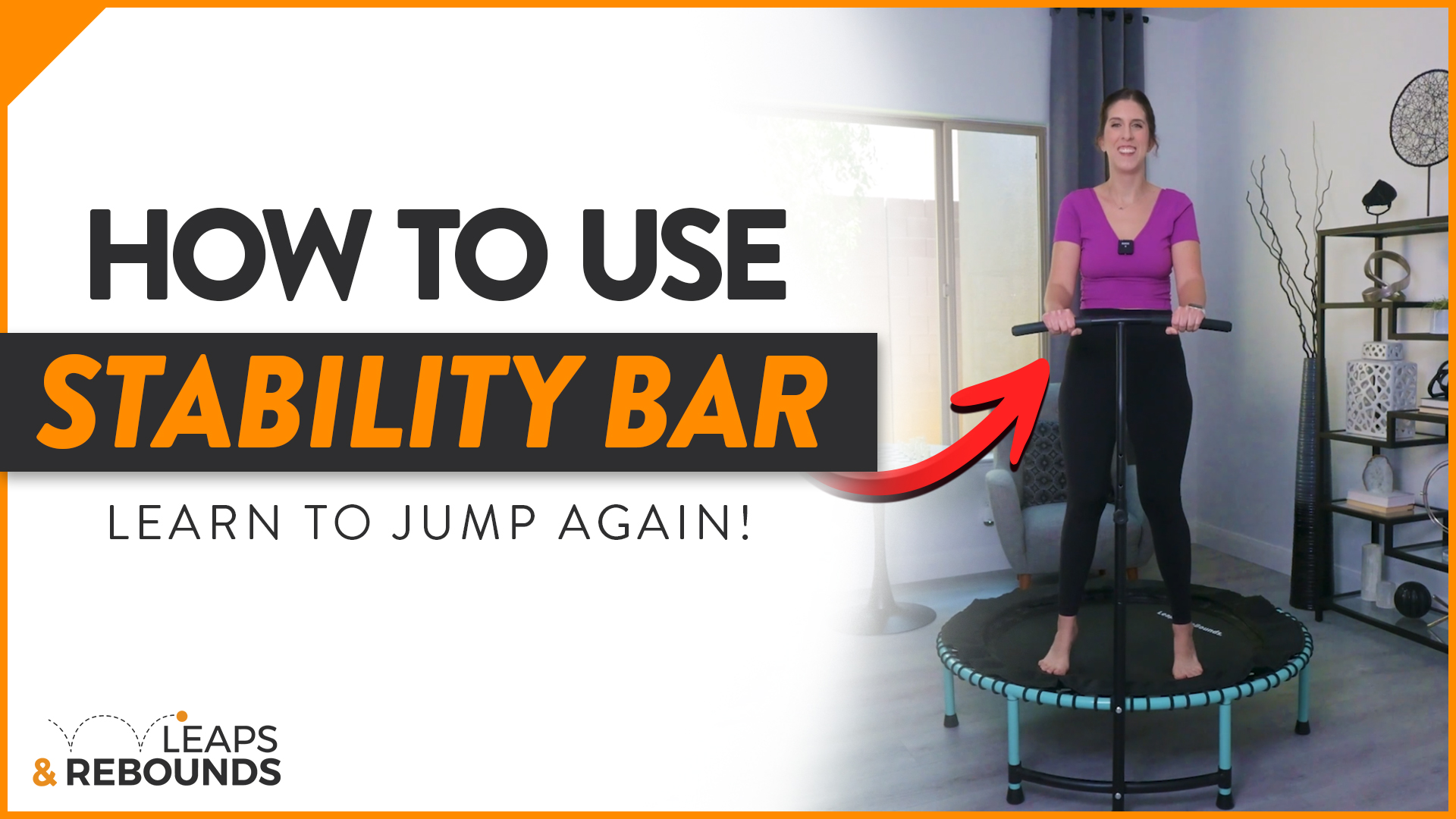










You know, I've been hearing a lot about how good mini-trampolines are for you lately. It seems like everyone's talking about them, and honestly, I was a bit skeptical. I mean, bouncing around? How much can that really do? But it turns out, there's some pretty interesting science behind it, especially when it comes to your lymphatic system. It's this often-overlooked part of your body that's super important for keeping you healthy. And guess what? A little bit of bouncing might be just what it needs. Let's look at the trampoline benefits for the lymphatic system.
Key Takeaways
- The lymphatic system is your body's cleanup crew, removing waste and toxins, but it doesn't have its own pump like your heart does for blood. It relies on movement to keep things flowing.
- Bouncing on a mini-trampoline, or rebounding, gently stimulates this system. The up-and-down motion helps lymph fluid move more easily through your body.
- This improved flow can help your body get rid of waste better, potentially boosting your immune system and reducing puffiness or swelling.
- Rebounding is easy on your joints, making it a good option for many people who want to support their lymphatic health without high-impact activities.
- Adding short, regular rebounding sessions to your routine can be a fun and simple way to support your body's natural detoxification processes and overall well-being.
Understanding The Lymphatic System's Crucial Role
Your Body's Internal Cleanup Crew
Think of your lymphatic system as your body's own diligent cleanup crew. It's a complex network of vessels, nodes, and organs that works behind the scenes to keep things tidy. This system's main job is to collect and move waste products, toxins, and excess fluid from your tissues. It's like a secondary circulatory system, but instead of blood, it transports lymph fluid. This fluid carries away things like dead cells, bacteria, and other unwanted materials. Without this constant work, our bodies would quickly get bogged down with waste. It's a pretty amazing, often overlooked, part of keeping us healthy and functioning.
Why Movement is Key for Lymph Flow
Unlike your blood, which has the heart to pump it around, the lymphatic system doesn't have a built-in pump. This means it relies on other forces to keep the lymph fluid moving. What kind of forces? Mostly movement! When you move your muscles, whether it's walking, stretching, or even just breathing deeply, you help to push the lymph fluid through the vessels. This is why being sedentary can really slow things down. The fluid can become stagnant, and waste products might not get cleared out as efficiently.
Here's a quick look at what keeps lymph moving:
- Muscle contractions
- Breathing movements
- Gravity
The absence of a central pump is a really big deal for the lymphatic system. It's the main reason why inactivity or certain health conditions can cause lymph fluid to build up. When the fluid isn't moving properly, it can lead to swelling and make it harder for your body to fight off infections. It's a bit like a slow-moving river; if the current stops, debris can start to pile up. This is where external help, like gentle exercise, becomes so important for keeping things flowing smoothly.
Signs Your Lymphatic System Needs Support
Sometimes, your lymphatic system might signal that it needs a little extra help. You might notice these signs if things aren't flowing as well as they should. It's not always obvious, but paying attention can be helpful.
- Persistent swelling: Especially in your arms, legs, or hands, which might feel heavy or tight.
- Frequent infections: If you seem to be catching colds or other illnesses more often than usual.
- Slow wound healing: Cuts or bruises taking a long time to recover.
- Skin issues: Things like unexplained rashes or a dull complexion could be related.
- Feeling sluggish or fatigued: A general sense of tiredness that doesn't seem to go away with rest.
How Rebounding Stimulates Lymphatic Circulation
So, how exactly does bouncing on a mini-trampoline help your lymphatic system? It's actually pretty straightforward when you break it down. Think of your lymphatic system as a slow-moving river that needs a gentle push to keep flowing. Unlike your blood, which has a powerful pump (your heart), the lymph fluid relies on movement to get around. That's where rebounding shines.
The Gentle Up-And-Down Motion
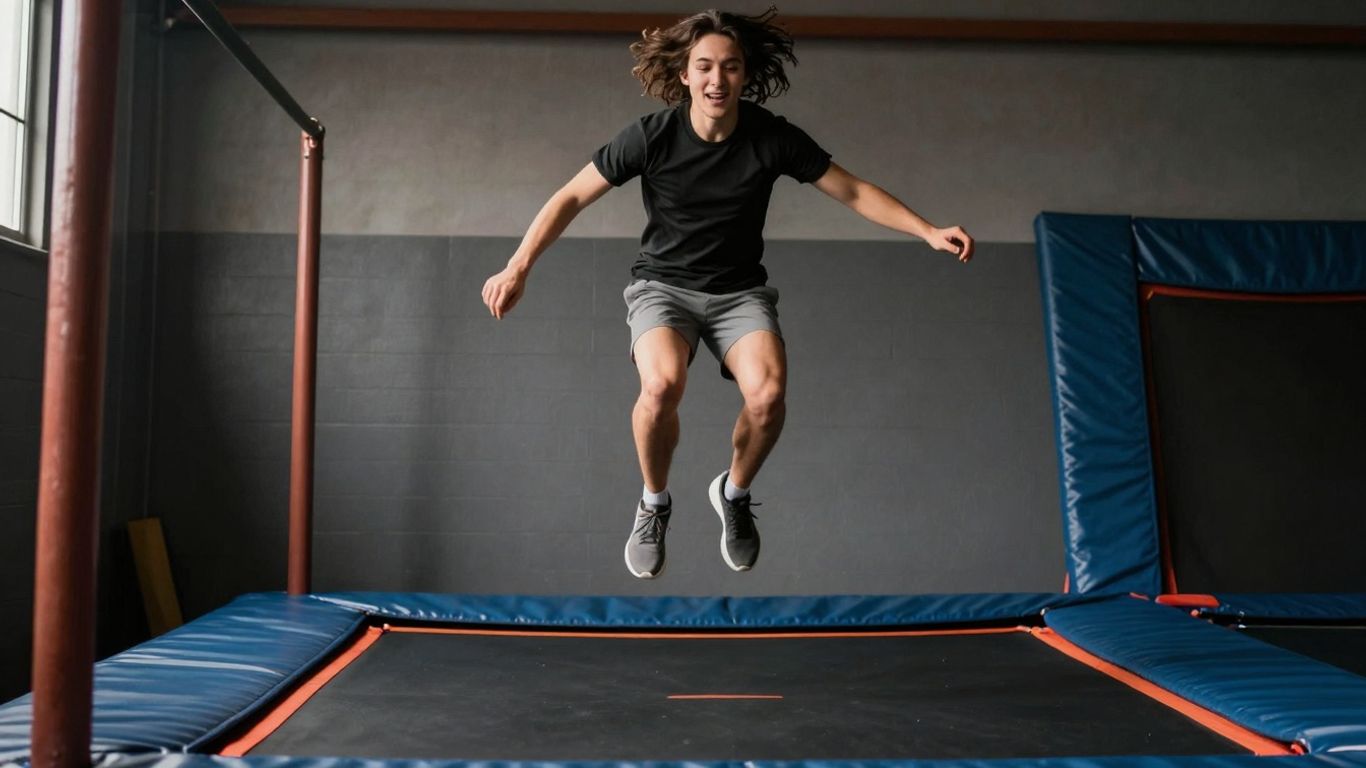
The magic of rebounding lies in its simple up-and-down movement. When you bounce, you're essentially creating a wave-like motion throughout your body. This gentle action causes the tiny valves within your lymphatic vessels to open and close, pushing the lymph fluid along. It's like giving your internal drainage system a consistent, rhythmic squeeze. This motion is low-impact, meaning it's kind to your joints while still being effective at stimulating lymph flow. It's a way to get things moving without the jarring impact of other exercises.
Leveraging Gravity for Fluid Movement
Every time you bounce, you experience slight shifts in gravity. As you go up, gravity lessens, and as you come down, it increases. This push and pull is surprisingly effective. When you land, the increased gravitational pull helps to move the lymph fluid downwards, while the moment of weightlessness at the peak of the bounce allows the fluid to move freely. This natural interplay with gravity is a key reason why rebounding is so good for lymphatic drainage. It helps the fluid move through the vessels and nodes, carrying waste away from your tissues.
Full-Body Engagement for Lymphatic Stimulation
When you rebound, you're not just moving your legs. The act of bouncing engages muscles all over your body, from your core to your arms. This widespread muscle contraction acts like a pump for the lymphatic system. The more muscles you engage, the more you help to propel lymph fluid through the network of vessels. It's a whole-body workout that benefits your lymphatic system in a way that isolated movements might not. This comprehensive stimulation helps to clear blockages and keep the fluid circulating freely, which is great for overall health and can even help with things like reducing puffiness. The consistent, gentle motion of rebounding works with your body's natural mechanics, using gravity and muscle engagement to keep lymph fluid moving. This helps your body efficiently clear out waste products and supports a healthy immune response.
The lymphatic system is your body's cleanup crew, removing waste and toxins, but it doesn't have its own pump like your heart does for blood. It relies on movement to keep things flowing. Bouncing on a mini-trampoline, or rebounding, gently stimulates this system. The up-and-down motion helps lymph fluid move more easily through your body.
Key Trampoline Benefits for Lymphatic Health
Improved Detoxification and Waste Elimination
When you bounce on a mini-trampoline, you're giving your lymphatic system a real workout. This system is like your body's internal cleanup crew, constantly working to remove waste products and toxins. Unlike your circulatory system, which has a heart to pump blood, the lymphatic system relies on movement to keep things flowing. The gentle up-and-down motion of rebounding helps push lymph fluid through your body, aiding in the removal of cellular waste and other unwanted substances. This consistent movement is key to preventing buildup and keeping your internal environment clean. The improved flow helps your body get rid of waste better.
Enhanced Immune Function and White Blood Cell Activity
Your lymphatic system plays a big role in your immune defense, and rebounding can give it a boost. The increased lymph flow helps transport white blood cells, which are your body's soldiers against infections and diseases. By stimulating this movement, you're essentially helping your immune system do its job more effectively. Think of it as giving your defense system a more efficient delivery service for its crucial cells. This can lead to a stronger defense against illness.
Reduced Swelling and Improved Fluid Circulation
Ever notice puffiness or swelling, especially in your extremities? This can often be due to fluid buildup that the lymphatic system hasn't cleared efficiently. Rebounding helps to improve the circulation of lymph fluid, which can reduce this excess fluid and alleviate swelling. It's like unclogging a drain – once the fluid can move freely, things start to look and feel better. This improved circulation is a big win for overall comfort.
Healthier Skin Through Toxin Removal
What happens inside your body often shows up on the outside, and your skin is no exception. When your lymphatic system is working well and efficiently removing toxins, it can contribute to clearer, healthier-looking skin. By supporting your body's natural detoxification processes through rebounding, you're helping to clear out the impurities that can sometimes lead to dullness or breakouts. It's a way to get that healthy glow from the inside out. You can find more information on the benefits of rebounding exercise and how it supports your body's natural processes.
Integrating Rebounding into Your Wellness Routine
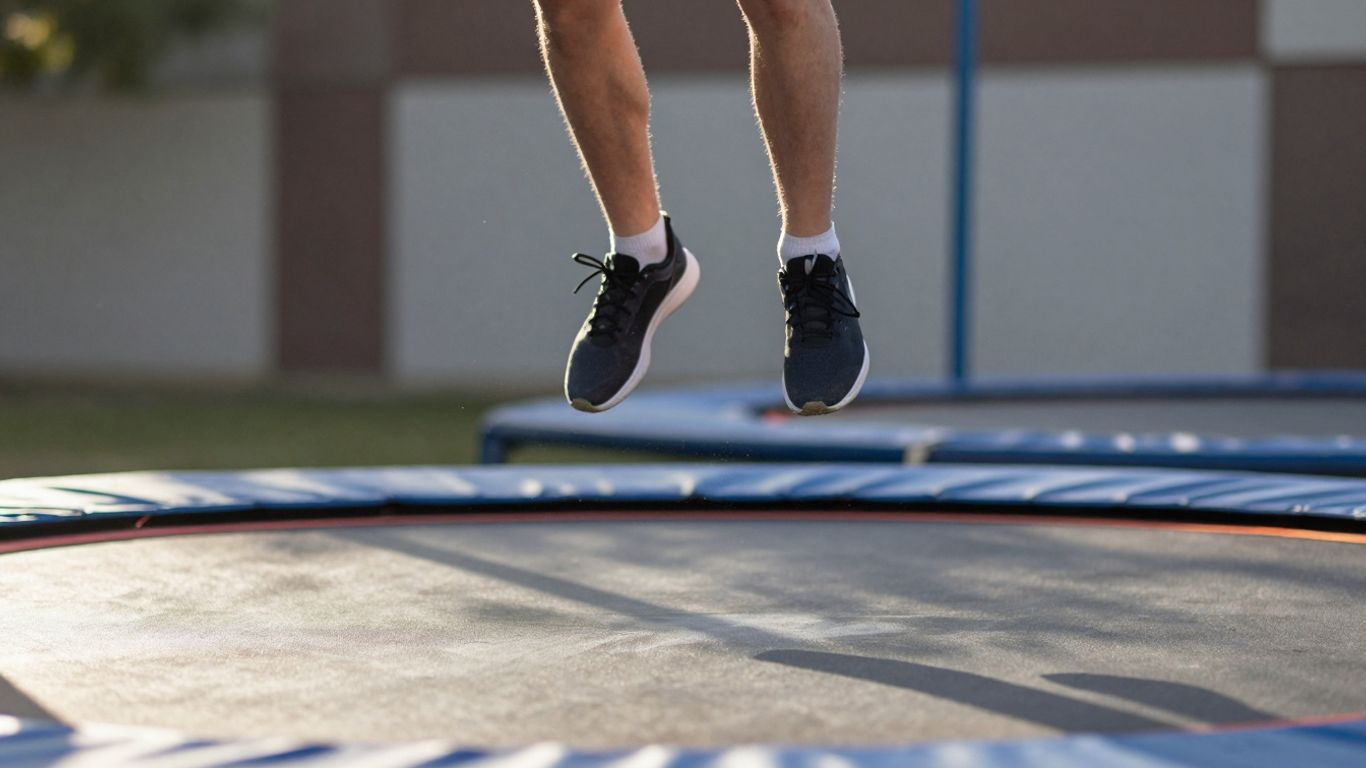
Getting started with rebounding is simpler than you might think. You don't need to dedicate hours to it. In fact, just ten to fifteen minutes of gentle bouncing each day can make a real difference for your lymphatic system. Think of it like tending to a garden; consistent, small efforts yield the best results over time. You can keep it really basic with just light bouncing, or if you're feeling up to it, add in some simple arm movements or twists. The most important thing is to be consistent. Making this a daily habit, even a short one, will help keep your lymphatic system working smoothly.
Short, Consistent Sessions for Maximum Impact
Don't feel pressured to do long workouts. Short bursts of rebounding are surprisingly effective. Aim for consistency rather than duration. Even five minutes here and there can add up. The key is regularity to keep that lymph fluid moving.
Low-Impact Exercise for Joint Health
One of the best parts about rebounding is how kind it is to your joints. Unlike running on pavement or jumping on a hard floor, the trampoline mat absorbs a lot of the impact. This means you get the benefits of a good workout without putting extra strain on your knees, ankles, or hips. It’s a great choice if you have joint pain or are just looking for a way to move your body that feels good and doesn't leave you sore.
Making Rebounding a Joyful Habit
Let's be real, sticking with any new routine can be a challenge. But rebounding has this knack for making exercise feel more like play than work. It taps into that fun, carefree feeling of being a kid again. You can easily make it more enjoyable by putting on your favorite music, maybe even dancing a little while you bounce, or trying out some simple spins. The goal is to find ways to make it something you actually look forward to. When something feels good and is fun, you're much more likely to keep it up. It's not just about the physical perks; it's about finding a way to move that genuinely makes you happy.
Beyond Lymphatics: Additional Rebounding Advantages
Enhanced Balance and Coordination
When you're up in the air and then back down, your body is constantly making tiny adjustments to keep you steady. This isn't just random; it's your brain and muscles working together, building a better connection. It's like a mini-training session for your stability every time you bounce. This improved coordination can make everyday tasks feel smoother and help you feel more secure on your feet. It's a gentle way to get better at staying balanced, which is helpful for everyone, no matter their age. You might find yourself less likely to stumble or feel unsteady.
Strengthened Core Muscles
Don't let the fun fool you; rebounding is a surprisingly effective way to work your core. To stay upright and stable while you're bouncing, your abdominal and back muscles have to engage. It's not like doing a set of crunches where you're focusing on just those muscles. Instead, it's a more natural, integrated way to build strength. A stronger core can lead to better posture and might even help ease some back discomfort. It's a subtle but effective way to tone up without feeling like you're doing a traditional workout.
Improved Flexibility and Mobility
Jumping on a rebounder isn't always just a straight up-and-down motion. You might find yourself naturally twisting or turning, or you can choose to add movements that really stretch out your legs and torso. This helps increase how far your joints can move. Over time, you might notice you can bend more easily, reach a bit further, and generally move with more freedom. It's a low-impact method to keep your joints lubricated and your muscles feeling supple, which is pretty important for staying active as you get older. It's a nice change from just holding stretches, making flexibility feel more dynamic and active.
Mood Enhancement Through Playful Movement
There's something inherently joyful about bouncing. It taps into a childlike sense of play that can really lift your spirits. Putting on some music and just moving can be a fantastic way to shake off stress and boost your mood. It's a simple, fun activity that doesn't feel like a chore, making it easier to stick with. This playful movement can be a great addition to your overall well-being.
Rebounding offers a unique combination of physical benefits that go beyond just lymphatic health. It's a full-body activity that supports balance, strengthens your core, increases flexibility, and even provides a mental boost. The gentle, rhythmic nature of bouncing makes it accessible and enjoyable, turning exercise into something you might actually look forward to.
So, What's the Takeaway?
Look, it turns out that bouncing around on a mini-trampoline isn't just for fun. It's actually a pretty simple way to help your body out, especially with that whole lymphatic system thing. It gets things moving, helps clear out the junk, and doesn't even mess up your joints. So, if you're looking for an easy, low-key way to feel a bit better and give your immune system a little nudge, maybe give rebounding a shot. It’s a surprisingly good move for your health.
Frequently Asked Questions
What is the lymphatic system and why is it important?
Think of your lymphatic system as your body's cleanup crew. It's a network of tubes that helps get rid of waste, extra fluid, and anything harmful. It also helps your immune system fight off sickness. Unlike your blood, which has the heart to pump it around, your lymphatic system needs movement to keep things flowing.
How does bouncing on a mini-trampoline help my lymphatic system?
When you bounce, the gentle up-and-down motion changes how gravity affects your body. This helps push the lymph fluid through your body, like giving it a gentle nudge. Plus, almost every part of your body works when you bounce, which helps move the fluid along even more.
Can rebounding help clear out toxins from my body?
Yes! Bouncing on a mini-trampoline is a great way to help your lymphatic system do its job of removing waste. By improving the flow of lymph fluid, it helps carry away toxins, which can lead to better overall health and even clearer skin.
Does rebounding help with swelling or puffiness?
Absolutely. When your lymphatic system is working well, it helps manage the fluid in your body. Rebounding can improve this fluid circulation, which may help reduce swelling and that feeling of being puffy.
How often should I bounce to get benefits for my lymphatic system?
You don't need to spend hours on the trampoline! Even short, regular sessions can make a difference. Aiming for about 10 to 15 minutes a day, a few times a week, can be really beneficial for your lymphatic health.
Is rebounding tough on my joints?
One of the best things about rebounding is that it's low-impact. This means it's much gentler on your joints, like your knees and ankles, compared to activities like running on a hard surface. It gives you a great workout without the extra stress.


0 comments