


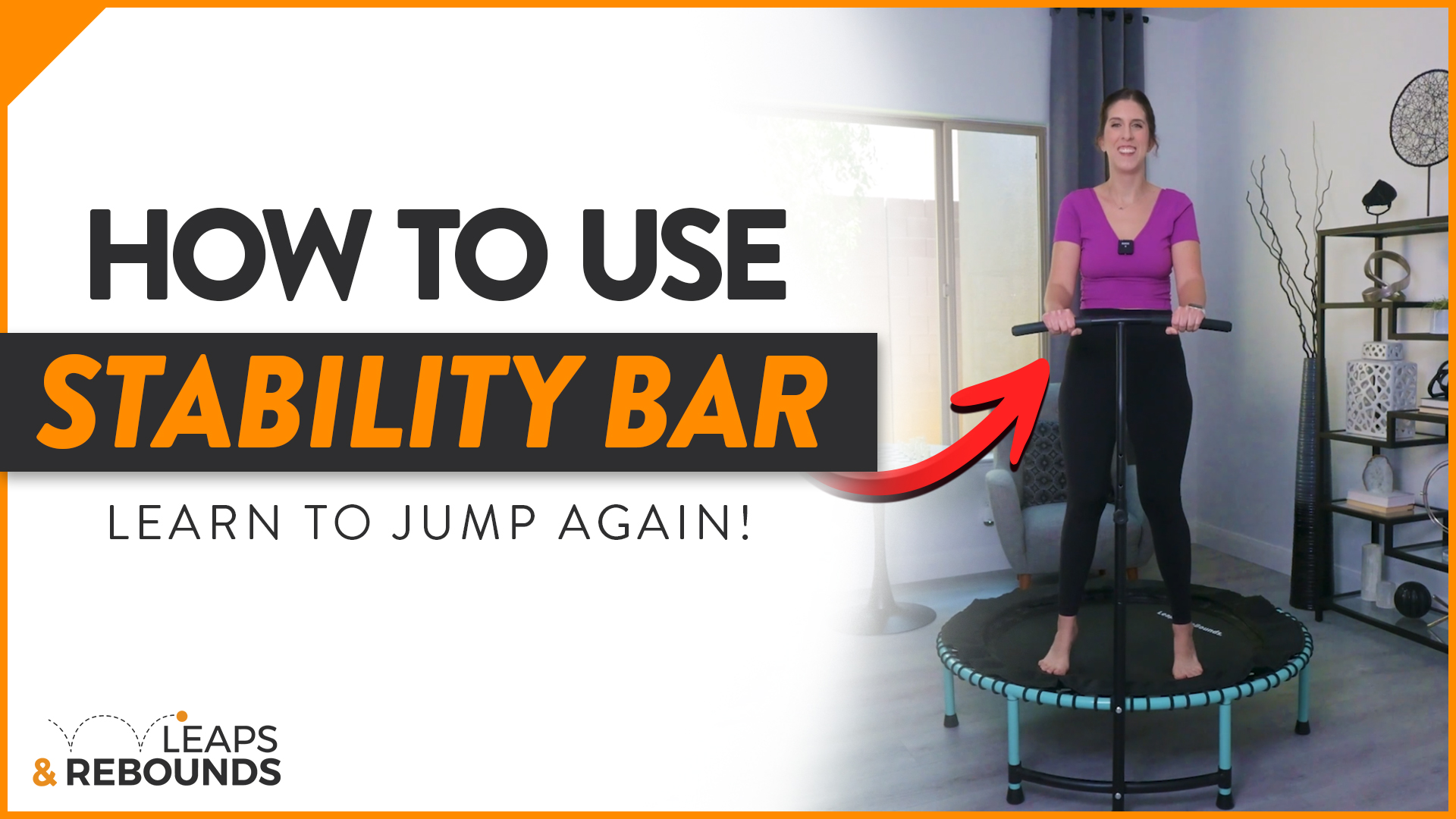
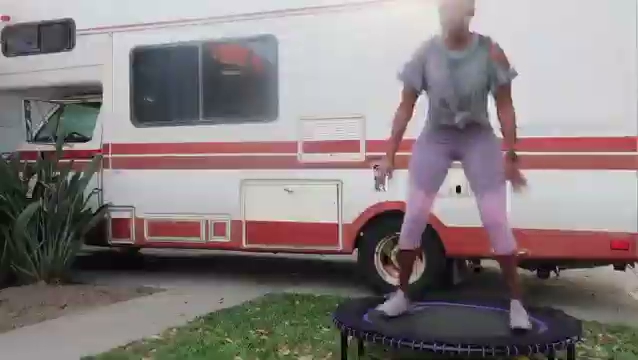









So, you've heard about rebounding, right? It's that fun way of jumping on a mini-trampoline that's suddenly everywhere. People are talking about it for fitness, and especially for weight loss. But does bouncing around really help you shed pounds? We're going to look into what weight loss rebounding actually is, how it works to burn calories, and how you can actually make it part of a plan to lose weight. It’s not just about jumping; it’s about understanding the whole picture.
Key Takeaways
- Weight loss rebounding means using a mini-trampoline for exercise to help you burn calories and lose weight. It's a low-impact way to get your heart rate up.
- The main way rebounding helps with weight loss is by burning calories. The more intense and longer you bounce, the more calories you burn, which helps create a calorie deficit.
- To see results with weight loss rebounding, you need to be consistent. Doing it regularly, maybe even daily, is more effective than doing it just once in a while.
- Rebounding works best as part of a larger plan. You should also pay attention to what you eat and consider adding strength training to build muscle, which helps burn more calories.
- Always be safe when you rebound. Warm up first, keep good posture, and listen to your body. If you have health issues, it's a good idea to talk to a doctor before you start.
Understanding Weight Loss Rebounding
What Is Rebounding?
So, you've seen those mini-trampolines, right? Maybe tucked away in a corner of a gym or even at a friend's place. Well, that's where rebounding comes in. Simply put, it's a type of exercise where you jump on one of these small trampolines. It's a low-impact cardio workout, meaning it's easier on your joints than, say, running on pavement. Unlike the big trampolines you might have seen at a park, these are usually just for one person and are perfect for using indoors. The cool thing about rebounding is that pretty much anyone can do it, no matter their fitness level. It's not just about bouncing; you can do all sorts of movements, from simple jumps to more involved aerobic routines. Because the landing is cushioned, it's much kinder to your knees and ankles. People are starting to notice it because it's a fun way to get your heart pumping, improve your fitness, and, yes, it can help with weight loss.
The Science Behind Weight Loss
Before we get too deep into rebounding, let's quickly touch on how weight loss actually works. It's pretty straightforward: you lose weight when you burn more calories than you eat. This is called a calorie deficit. If you consistently consume fewer calories than your body uses for daily activities and exercise, your body will start using stored fat for energy, leading to weight loss. It’s not magic; it’s basic energy balance. Think of it like a bank account – if you spend more than you deposit, your balance goes down.
Rebounding's Role in Calorie Burning
Rebounding fits into this calorie deficit equation by increasing the number of calories you burn. When you jump on a rebounder, your muscles are working, your heart rate goes up, and your body uses energy. The amount of calories you burn can change based on a few things:
- Your Weight: Heavier individuals generally burn more calories doing the same activity.
- Intensity: How hard you're bouncing makes a big difference. Faster, higher bounces burn more calories.
- Duration: The longer you rebound, the more calories you'll burn.
- Your Fitness Level: As you get fitter, your body becomes more efficient, and you might burn slightly fewer calories doing the same workout.
It's important to remember that while rebounding is great for burning calories, it's just one piece of the puzzle. For significant and lasting weight loss, you'll want to combine it with a healthy diet and possibly other forms of exercise.
While rebounding is a fantastic way to boost your calorie expenditure and improve cardiovascular health, it's not a magic bullet for weight loss on its own. A consistent routine, combined with mindful eating, is what truly drives results.
Here’s a rough idea of calorie burn, though remember this can vary:
| Activity (30 minutes) | Calories Burned (approx. 155 lb person) |
|---|---|
| Moderate Rebounding | 223 |
| Running (moderate) | 330 |
| Walking (brisk) | 149 |
As you can see, rebounding burns a good number of calories, sitting nicely between brisk walking and running. This makes it a solid option for increasing your daily energy expenditure without the high impact of running.
The Calorie-Burning Power of Rebounding
So, you're wondering how much of a calorie-burning workout you actually get from bouncing around on a mini-trampoline? It's a pretty good question, and the answer is: it depends, but it can be quite significant. Rebounding is a fantastic way to get your heart rate up and burn calories without putting a ton of stress on your joints. Think of it as a vigorous cardio session that's also kind to your knees and ankles.
Factors Influencing Calorie Expenditure
When you're on the rebounder, the number of calories you torch isn't just a set number. Several things play a role:
- Your Weight: Heavier individuals generally burn more calories doing the same activity because their bodies have to work harder.
- Workout Intensity: Are you doing gentle bounces or going all out with high knees and jumping jacks? The harder you push, the more calories you'll burn.
- Duration: Obviously, a longer session means more calories burned. A quick 10-minute bounce is different from a 30-minute cardio blast.
- Your Fitness Level: If you're new to exercise, you might burn more calories initially than someone who's very fit and efficient at the movements.
Rebounding vs. Other Exercises
It's interesting to compare rebounding to other popular workouts. While running might burn more calories per minute for some, rebounding offers a similar calorie burn with significantly less impact. Some studies suggest that 12 minutes of rebounding can burn calories comparable to running a mile, but with less perceived effort and joint stress. It's a great alternative if you find high-impact activities tough on your body.
Estimating Calories Burned
It's tough to give an exact number because everyone is different, but we can look at some averages. For someone around 155 pounds, a moderate 30-minute rebounding session might burn roughly 220-250 calories. If you're doing more intense intervals, that number can climb higher. For instance, a vigorous 15-minute session could potentially burn around 150-200 calories, depending on the intensity and your body weight.
Remember that these are just estimates. The real benefit comes from consistency and how it fits into your overall daily calorie balance. Don't get too hung up on the exact number; focus on enjoying the movement and feeling your body work.
Achieving Weight Loss Through Rebounding
Realistic Expectations for Weight Loss
Let's be real for a second. While rebounding is a fantastic way to burn calories and boost your fitness, it's not a magic bullet for instant weight loss. You're not going to drop twenty pounds overnight just by bouncing around. The studies show that consistent effort over weeks, like 12 to 20 weeks, is what leads to noticeable changes, like losing body fat and getting fitter. It's about creating a steady calorie deficit over time, not a quick fix. The most important thing is to be patient and stick with it.
Consistency in Your Rebounding Routine
This is where the rubber meets the road, or rather, where your feet meet the mat. To see real results from rebounding, you've got to show up regularly. Think of it like this: a 15-minute bounce every day can add up to a significant calorie burn over a couple of weeks. It's the daily commitment that builds momentum.
Here’s a simple way to think about building consistency:
- Schedule It: Treat your rebounding sessions like any other important appointment. Put it in your calendar.
- Start Small: If jumping for 30 minutes feels like too much, begin with 10 or 15 minutes. You can always add more time as you get stronger.
- Mix It Up: Don't be afraid to try different types of bounces and movements to keep things interesting and challenge your body in new ways.
- Listen to Your Body: Some days you'll have more energy than others. Adjust your intensity accordingly, but don't skip the session entirely if you can help it.
The Impact of Workout Intensity
How hard you bounce definitely matters when it comes to burning calories. A gentle, steady bounce will burn fewer calories than a high-energy session with lots of jumping and quick movements. Think about it: the faster and higher you go, the more your heart rate climbs, and the more energy your body uses.
Here's a rough idea of how intensity can play a role:
| Intensity Level | Description | Estimated Calories Burned (per 30 min for 155lb person) |
|---|---|---|
| Low | Gentle bouncing, minimal effort | ~100-150 calories |
| Moderate | Steady bouncing, some arm movements | ~200-250 calories |
| High | Vigorous jumping, high knees, fast pace | ~250-300+ calories |
Remember, these numbers are just estimates. Your actual calorie burn will depend on your weight, age, and how hard you're truly working. The key is to push yourself a little beyond your comfort zone during your rebounding sessions to maximize the calorie expenditure.
Creating a Comprehensive Weight Loss Plan

So, you're getting into rebounding and seeing some good results. That's awesome! But if you're really serious about shedding pounds and keeping them off, just jumping on the trampoline isn't going to cut it on its own. Think of rebounding as a super effective tool in your weight loss toolbox, not the whole toolbox itself. To really make progress, you've got to build a plan that covers all the bases.
Integrating Diet and Nutrition
Let's be real, you can't out-jump a bad diet. Weight loss boils down to burning more calories than you eat. Rebounding helps with the burning part, but you've got to manage the eating part too. It's not about starving yourself, though. It's about making smarter food choices. Swapping out sugary drinks for water is a simple win. Loading up on veggies and high-fiber foods helps you feel full without packing in tons of calories. Sometimes, just changing what you eat, not necessarily how much, can make a big difference. If you're feeling lost, talking to a registered dietitian can really help figure out what foods work best for you and create a healthy diet plan.
The Role of Strength Training
Okay, so you're bouncing away, getting your cardio fix. Great! But what about building muscle? Strength training is your secret weapon here. Muscle tissue burns more calories even when you're just sitting around, compared to fat. So, the more muscle you have, the higher your metabolism. Adding some basic weightlifting, bodyweight exercises, or resistance bands a couple of times a week can really boost your calorie-burning potential over the long haul. It's not about getting bulky unless you want to; it's about building a more efficient body.
Balancing Rebounding with Other Activities
While rebounding is fantastic, variety is the spice of life, and it's good for your body too. Don't feel like you have to rebound every single day for hours. Mix it up! Maybe do some longer, moderate rebounding sessions a few times a week, and then throw in some high-intensity interval training on the rebounder on other days. On your 'off' days from the trampoline, consider going for a walk, swimming, or doing some yoga. This keeps your body guessing, prevents boredom, and works different muscle groups. It also helps avoid burnout and makes your weight loss journey more sustainable.
Remember, the goal is to create a lifestyle change, not just a temporary fix. Combining smart eating, consistent exercise like rebounding, and strength training will give you the best shot at reaching your weight loss goals and keeping the weight off for good.
Maximizing Your Rebounding Workouts
So, you've got your rebounder and you're ready to bounce your way to fitness. That's awesome! But how do you make sure you're getting the most out of every session? It's not just about jumping up and down; there are ways to really amp up the effectiveness of your rebounding workouts. The key is variety and intensity.
Types of Rebounding Workouts
Think of your rebounder as a versatile piece of equipment. You can do a lot more than just basic bouncing. Here are a few ideas to get you started:
- Basic Bounce: This is your foundation. Just get on and bounce at a comfortable pace. It's a great way to warm up and get your blood flowing.
- Jogging in Place: Mimic a jogging motion while on the rebounder. You can keep your arms by your sides or swing them for a more complete workout. This really gets your heart rate up.
- Jumping Jacks: These are a bit different on a rebounder. Instead of a big jump, think more of a controlled stomp as your legs go out and in. It's a fantastic full-body move.
- Twists: While bouncing, gently twist your torso from side to side. This engages your core muscles and helps with balance.
High-Intensity Interval Training on a Rebounder
If you're looking to really push yourself and burn more calories in less time, HIIT is the way to go. It involves short bursts of intense exercise followed by brief recovery periods. On a rebounder, this could look like:
- Sprint: Jump as fast as you can for 30 seconds.
- Recover: Slow down to a gentle bounce or walk for 30 seconds.
- Repeat: Go through this cycle for 10-20 minutes.
You can swap the sprint for other high-energy moves like tuck jumps or fast knee lifts. This method is great for boosting your metabolism, meaning you'll continue to burn calories even after your workout is done. It's a challenging but very effective way to improve your cardiovascular fitness and aid in fat loss.
Cross-Training with Rebounding
Rebounding is excellent for cardio, but to get truly fit, you need to incorporate other types of exercise too. Cross-training means mixing rebounding with activities like strength training, yoga, or Pilates. For example, you could do a 20-minute rebounding session one day, followed by a weightlifting routine the next, and then maybe some stretching or yoga. This approach keeps your body guessing, prevents boredom, and works different muscle groups, leading to a more balanced and well-rounded fitness plan. It helps build overall strength and flexibility, which can make your rebounding workouts even more effective.
Remember, consistency is more important than intensity when you're starting out. It's better to do a moderate rebounding workout several times a week than to do one super-intense session and be too sore to move for days. Listen to your body and gradually increase the challenge as you get stronger.
Safety and Best Practices for Rebounding
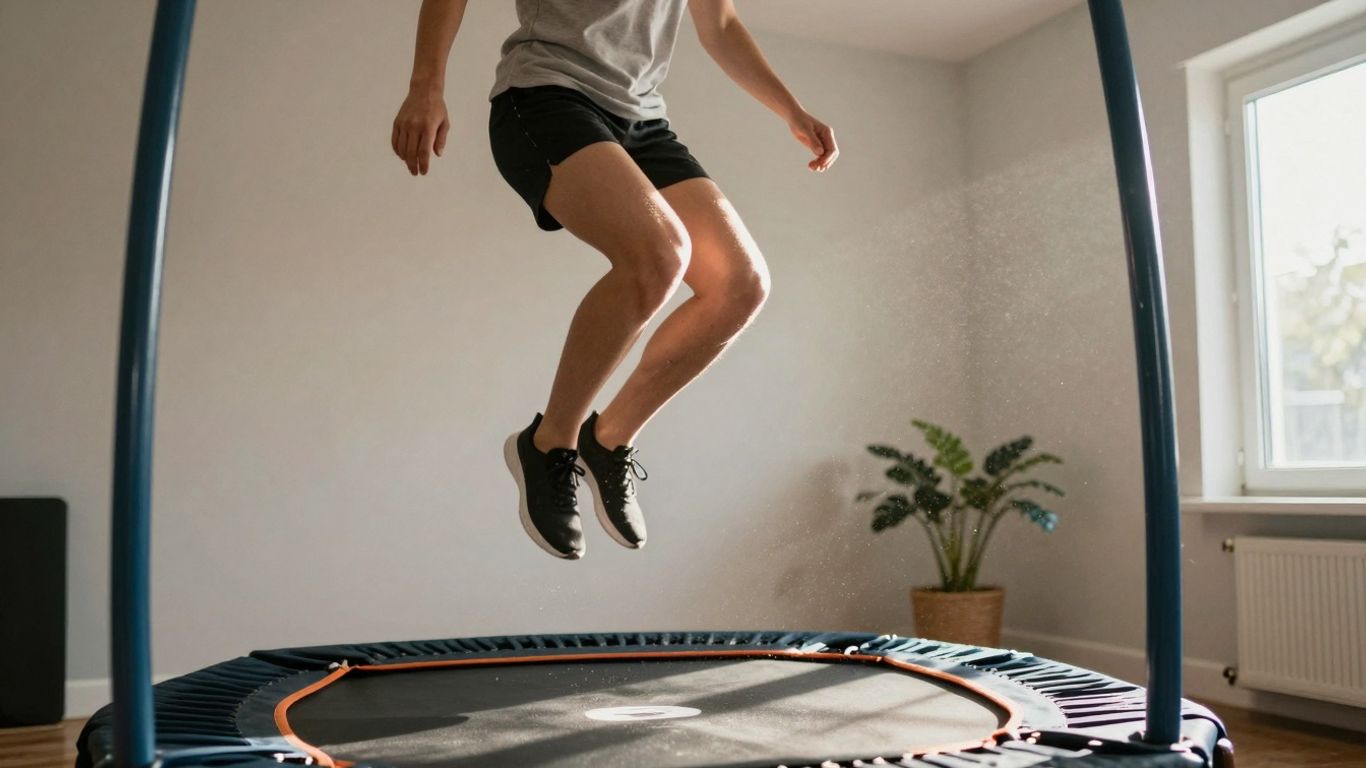
Alright, let's talk about staying safe while you're bouncing around. Rebounding is generally pretty gentle on your body, which is a big plus, but like any exercise, you've got to be smart about it. Paying attention to safety can prevent a lot of potential bumps and bruises.
Essential Safety Precautions
Before you even think about jumping, give your rebounder a once-over. Make sure it's sitting on a flat, stable surface. Check that all the legs are secure and that the mat and springs look good. You don't want any surprises mid-bounce. It's also a good idea to keep your rebounder away from walls or furniture, just giving yourself some breathing room. And always, always warm up before you start and cool down afterward. It really helps your muscles get ready and then relax.
Here’s a quick checklist:
- Inspect your rebounder: Look for loose springs, tears in the mat, or wobbly legs.
- Clear your space: Ensure there's enough room around the rebounder to avoid hitting anything.
- Warm-up: Start with 5-10 minutes of light movement like marching in place or gentle bouncing.
- Cool-down: Finish with stretching to help your muscles recover.
Proper Form and Posture
When you're on the rebounder, try to keep your knees a little bent. Think of it like landing softly. Avoid locking your knees or ankles. Keep your back straight and your core engaged – this helps with stability and works those important muscles. Your feet should be about shoulder-width apart for a good base. If you're just starting out, you might want to try holding onto a wall or a sturdy chair for extra support until you feel more confident. Some rebounders even come with optional handlebars, which can be a lifesaver for balance.
The goal is to create a controlled bounce, not to see how high you can go. Focus on the rhythm and the feeling of the movement. It's about consistency and good form over wild leaps.
When to Consult a Healthcare Professional
While rebounding is low-impact, it's not for absolutely everyone. If you've had recent surgery, especially on your legs, hips, or back, it's best to get the all-clear from your doctor first. People with significant balance issues or certain medical conditions should also check in with their healthcare provider before jumping on. Pregnancy is another situation where you'll want to consult with your doctor. They can give you personalized advice based on your health status. Remember, your health is the priority, so don't hesitate to ask for professional guidance if you're unsure about anything.
Wrapping It Up
So, we've bounced through the ins and outs of rebounding and its role in weight loss. It's pretty clear that this fun, low-impact exercise can definitely be a helpful part of your journey to a healthier you. While it might not be a magic bullet for shedding pounds overnight, consistently incorporating rebounding into your routine, alongside a good diet and maybe some strength training, can lead to real, lasting results. Remember, the best plan is one you can stick with, and rebounding's enjoyable nature makes it a great candidate for long-term success. Keep bouncing, stay consistent, and listen to your body – you've got this!
Frequently Asked Questions
What exactly is rebounding?
Rebounding is basically jumping on a mini-trampoline. It's a fun way to get your heart pumping and your body moving. Think of it as a low-impact exercise because the trampoline surface is soft and cushions your landing, making it easier on your joints compared to jumping on a hard surface.
How many calories can I burn by rebounding?
The number of calories you burn depends on how hard and how long you jump. A moderate 30-minute rebounding session can burn around 200-300 calories. If you pick up the pace and make it more intense, you could burn even more, maybe closer to 400-600 calories in an hour. It's a pretty good calorie burner!
Can rebounding really help me lose weight?
Yes, rebounding can definitely help with weight loss! The key to losing weight is burning more calories than you eat. Rebounding burns calories and can help boost your metabolism. When you combine it with a healthy diet, it becomes a powerful tool for shedding pounds over time.
How often should I rebound to see results?
Consistency is super important. Aim to rebound most days of the week, even if it's just for 15-20 minutes. Doing it regularly helps you burn calories consistently and build a good fitness habit. Don't expect overnight changes; it's a gradual process.
Is rebounding safe for my joints?
Rebounding is known for being low-impact, which means it's much gentler on your joints, especially your knees and ankles, compared to activities like running. The trampoline absorbs a lot of the shock. However, it's still important to use good form and listen to your body to avoid any strain.
What's the best way to rebound for weight loss?
To get the most out of rebounding for weight loss, try to vary your workouts. You can do steady bouncing for cardio, try high-intensity intervals (bursts of fast jumping followed by rest), or even incorporate some simple strength moves. Pairing your rebounding with a balanced diet that creates a calorie deficit is also crucial for seeing results.


0 comments