














Being a student today means a lot more than just hitting the books. There's a whole world of sports, clubs, and just trying to stay healthy thrown into the mix. It can feel like you're juggling a dozen things at once, and honestly, sometimes it is. But getting a handle on fitness and what you eat can make a huge difference, not just for your grades, but for feeling good overall, now and later. These fitness articles for students are here to help you figure it all out.
Key Takeaways
- Figuring out how to balance sports and schoolwork is a big deal for student-athletes. It’s about making time for practice and studying so you don’t fall behind in either.
- What you eat really matters for how you feel and perform. Picking the right foods can give you energy for workouts and help you focus in class.
- Learning about fitness early on is super important. It gives you the tools to stay healthy and active long after you leave school.
- Training smart and taking care of your body helps prevent injuries. Giving your body time to rest and recover is just as important as the workouts themselves.
- Schools can help students be healthier by adding more chances to move around during the day and by encouraging fitness activities outside of regular classes.
Mastering the Student-Athlete Balance
Being a student-athlete is kind of like juggling flaming torches while riding a unicycle. It’s a lot, right? You’ve got classes, homework, exams, practices, games, travel, and somewhere in there, you’re supposed to sleep and maybe even eat. Finding a way to make it all work without completely burning out is the real game-changer. It’s not just about showing up; it’s about performing well in both your sport and your studies.
The Importance of Balance in College Sports
Look, nobody expects you to be perfect at everything all the time. But when you’re balancing sports and school, finding that sweet spot where you can succeed in both is pretty important. If you’re always exhausted from practice, your grades might slip. If you’re stressed about a big paper, your performance on the field could suffer. It’s a cycle, and getting it right means you can actually enjoy both parts of your life instead of just surviving them.
Trying to do too much without a plan is a fast track to feeling overwhelmed. It’s better to have a solid system that allows for both academic success and athletic achievement, even if it means saying no to a few extra things.
Strategies for Juggling Academics and Athletics
So, how do you actually do this? It takes some serious planning and a bit of smart thinking.
- Map it out: Get a planner, use your phone calendar, whatever works. Write down everything – classes, study times, practices, games, travel, even social stuff if you can fit it in. Seeing it all laid out helps you spot conflicts and figure out where your time is actually going.
- Prioritize ruthlessly: Not everything is equally important on any given day. Figure out what absolutely has to get done for school and what’s non-negotiable for your sport. Sometimes, a tough workout needs to happen even if you’re tired, and sometimes, that study session needs to happen even if you’d rather be practicing.
- Be efficient with your downtime: Those 30 minutes between classes? Don’t just scroll through social media. Review notes, read a chapter, or even just take a few deep breaths. Every little bit counts.
- Communicate: Talk to your coaches about your academic workload and talk to your professors about your athletic commitments. Most people are willing to work with you if you’re upfront and responsible.
Leveraging Support Systems for Success
You’re not in this alone, even if it feels like it sometimes. There are people and resources designed to help student-athletes.
- Academic Advisors: These folks are your best friends for figuring out class schedules, course loads, and academic requirements. They can help you plan your semesters so your classes don’t clash with major training periods or travel.
- Coaches: While their main focus is your sport, good coaches understand the student part of student-athlete. They can offer advice on time management and sometimes even help advocate for you academically when needed.
- Tutoring Centers and Study Halls: Most universities have dedicated academic support for athletes. Use them! They provide quiet places to study and access to tutors who can help you with tough subjects.
- Fellow Student-Athletes: Seriously, the people who get it most are the ones going through it with you. Share tips, vent frustrations, and support each other. You can learn a lot from what works (and doesn’t work) for your teammates.
Fueling Performance: Nutrition Essentials for Students
Essential Nutrients for Peak Performance
Okay, so you're hitting the books hard and maybe the gym too. What you eat really matters for keeping your brain sharp and your body ready for whatever comes your way. Think of food as your personal fuel station. You wouldn't put cheap gas in a race car, right? Same idea here. We need the good stuff to perform at our best, whether that's acing a test or running a personal best.
Here's a quick rundown of what your body craves:
- Carbohydrates: These are your main energy providers. Think whole grains, fruits, and veggies. They break down into glucose, which is what your brain and muscles use to function. Complex carbs give you a steady release of energy, which is way better than a quick sugar rush followed by a crash.
- Proteins: These are the building blocks for your muscles, helping them repair and grow after workouts. They also play a role in making enzymes and hormones. Good sources include lean meats, fish, beans, lentils, and dairy products.
- Healthy Fats: Don't be scared of fats! They're important for brain health and absorbing certain vitamins. Avocados, nuts, seeds, and olive oil are your friends here. They provide sustained energy and help keep you feeling full.
- Vitamins and Minerals: These are like the tiny mechanics in your body, making sure everything runs smoothly. They help with everything from your immune system to energy production. Eating a variety of colorful fruits and vegetables is the best way to get a good mix.
Smart Meal Planning and Timing
It’s not just what you eat, but when you eat it. Planning your meals can make a huge difference in how you feel throughout the day, especially when you're juggling classes, studying, and maybe even a part-time job or sports practice.
Here’s a simple approach:
- Pre-Workout Fuel: About 1-3 hours before you plan to exercise, have a meal that's mostly carbs with a bit of protein. This gives you energy without feeling too heavy. A banana with some peanut butter or a bowl of oatmeal works well.
- Post-Workout Recovery: Within 30-60 minutes after you finish, try to get some protein and carbs in. This helps your muscles start repairing themselves. A protein shake, Greek yogurt with berries, or even a turkey sandwich can do the trick.
- Regular Meals: Don't skip meals! Aim for balanced meals every few hours to keep your energy levels stable and your focus sharp. This prevents those mid-afternoon slumps where you just want to nap.
Trying to eat well when you're busy can feel like a puzzle. Sometimes, having a few go-to snacks that are easy to grab and pack a nutritional punch can save the day. Think about keeping some nuts, fruit, or pre-portioned yogurt on hand.
The Role of Nutrition in Academic Focus
Ever feel like your brain is foggy after a sugary snack or when you haven't eaten in hours? That's because your brain runs on glucose, and its supply needs to be steady. What you eat directly impacts your ability to concentrate, remember information, and even manage stress.
- Steady Energy for Concentration: Meals rich in complex carbohydrates and lean protein provide a consistent release of glucose, helping you stay focused during lectures and study sessions. Avoid the highs and lows that come with processed foods and sugary drinks.
- Brain-Boosting Nutrients: Omega-3 fatty acids (found in fish, flaxseeds, and walnuts) are important for brain function. Antioxidants from fruits and vegetables protect brain cells. Making sure you get enough of these can really help with cognitive tasks.
- Mood and Stress Management: Blood sugar spikes and drops can affect your mood and make you feel more stressed or irritable. Eating balanced meals helps keep your mood more stable, which is a big help when you're dealing with academic pressure.
Basically, treating your body right with good food is like giving your brain the best tools it needs to succeed. It's a simple but powerful way to support your academic journey.
Building a Foundation: Fitness Education for Lifelong Health
It's easy to think of fitness as just something you do in gym class or on a sports field, but it's way more than that. Fitness education is really about giving students the tools they need to stay healthy and active for their entire lives. Think about it: we're facing some pretty serious health issues these days, with more and more people, including young folks, dealing with things like obesity and chronic diseases. A lot of that comes down to not moving enough and not knowing what's good for our bodies. Plus, the internet is flooded with fitness advice, and honestly, it's hard to tell what's legit and what's just hype. That's where good fitness education comes in. It helps students figure out what works for them and how to keep it up long after they've left school. It's about building habits that stick.
The Critical Need for Fitness Education
We're at a point where understanding our health is super important. A lot of kids are spending more time sitting down than moving, and that's leading to health problems down the road, like heart issues and diabetes. It's not just about avoiding sickness, though. It's about feeling good, having energy, and being able to do the things you enjoy. Fitness education gives students the knowledge to make smart choices about their bodies, even when they're bombarded with conflicting information online. It's about equipping them to be healthy adults. The Presidential Youth Fitness Program, for example, is one way schools are trying to get kids more active and focused on their personal fitness development [8d6a].
Key Elements of a Successful Fitness Program
So, what makes a fitness program actually work for students? It really boils down to a couple of main things. First, you've got to build a solid base. This means teaching the absolute basics of how the body moves – things like squatting, lunging, pushing, and pulling. It's like learning your ABCs before you can write a novel. Without these foundational movements, trying more complex exercises can be tough and even lead to injuries. Teachers often start with an 'Intro to Fitness' unit to make sure everyone gets this groundwork.
Second, you need to show students all the different ways they can be active. Fitness isn't just one thing. It can be yoga, dancing, lifting weights, playing pickleball, or even just going for a brisk walk. By exposing students to a variety of activities, they can find something they genuinely enjoy. This makes it much more likely they'll stick with it. It’s not about forcing everyone into the same mold; it’s about helping them discover their own path to staying active.
Here’s a quick look at some basic movement patterns:
- Squat: Bending at the knees and hips, like sitting in a chair.
- Lunge: Stepping forward or backward with one leg, bending both knees.
- Hinge: Bending at the hips with a straight back, like picking something up off the floor.
- Push: Moving weight away from your body (e.g., push-ups, bench press).
- Pull: Moving weight towards your body (e.g., rows, pull-ups).
Fitness education isn't just about teaching exercises; it's about teaching students how to learn about their own bodies and make informed decisions about their health throughout their lives. It's a skill set that pays dividends far beyond the classroom.
Exploring Diverse Fitness Opportunities
Once students have that basic understanding, the next step is to let them explore. Schools can do this through different units in physical education, where they might spend a few weeks trying out yoga, then a few weeks on strength training, followed by something like dance or even martial arts. The goal isn't to make everyone an expert in every activity, but to give them a taste of what's out there. This exposure helps them find activities they connect with. If a student discovers they love rock climbing during a PE unit, they might then look for local climbing gyms or clubs. This variety is key to making fitness a lifelong pursuit, not just a temporary phase. It’s about finding joy in movement and understanding that there are countless ways to be physically active.
Optimizing Physical Health: Training and Injury Prevention
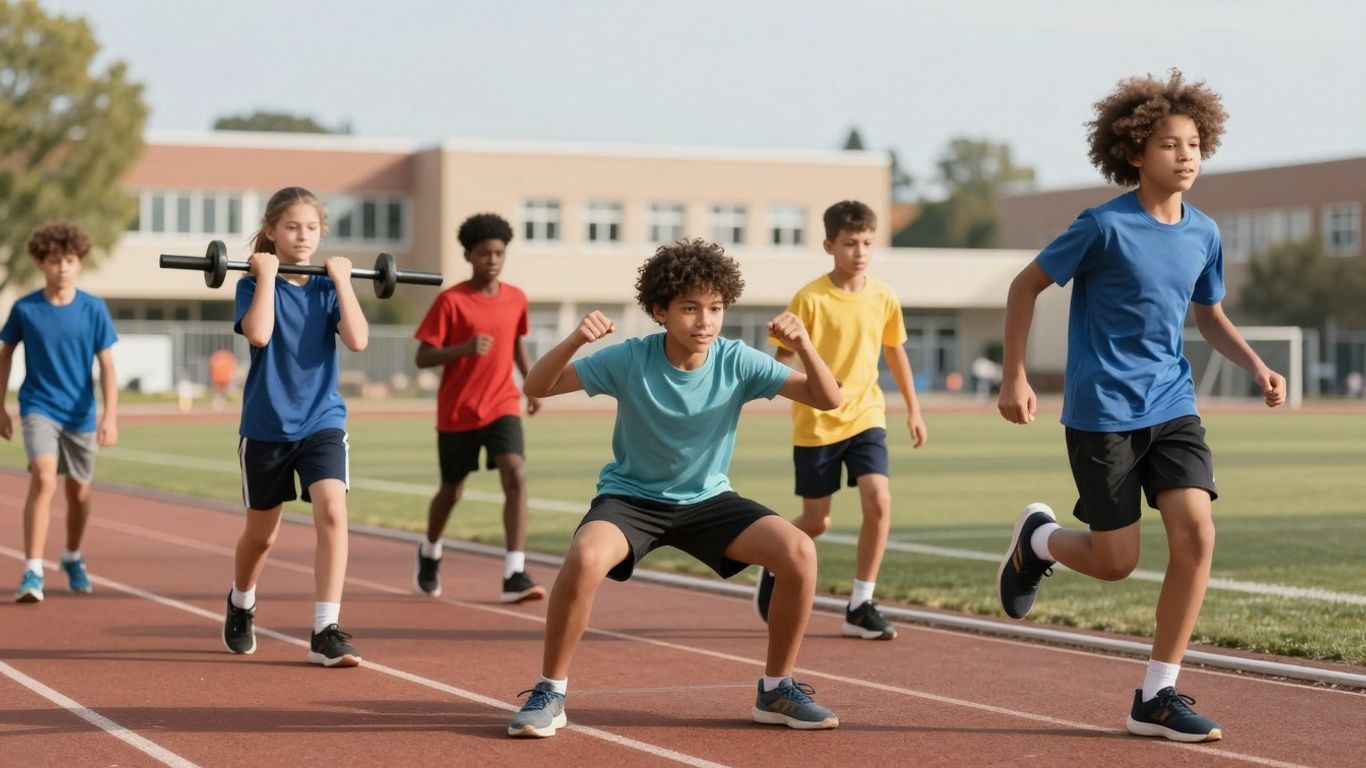
Getting your body ready for the demands of school and sports is super important. It's not just about pushing hard; it's about being smart with how you train and how you keep yourself from getting hurt. Think of it like building a strong house – you need a solid foundation and regular check-ups to make sure it lasts.
Effective Strength and Conditioning Regimens
When we talk about strength and conditioning, we're really looking at building a body that's ready for anything. This means more than just lifting weights. It's about creating a balanced program that works all your muscles and gets your heart pumping.
- Compound Movements: Focus on exercises that work multiple muscle groups at once. Things like squats, deadlifts, and push-ups are great for building overall strength and power. They mimic real-life movements you might do in sports or just everyday activities.
- Progressive Overload: To keep getting stronger, you need to gradually increase the challenge. This could mean lifting a bit more weight, doing more reps, or reducing rest times. Your body adapts, so you have to keep pushing it a little further.
- Variety is Key: Don't get stuck doing the same old thing. Mix in different types of training like bodyweight exercises, resistance bands, or even some plyometrics (jump training) to keep your muscles guessing and prevent boredom.
Strategies for Injury Prevention
Nobody wants to be sidelined with an injury. The good news is, a lot of injuries can be avoided with the right approach. It's all about preparing your body and listening to what it's telling you.
- Warm-Up Properly: Before any workout or game, spend 5-10 minutes getting your body ready. This should include light cardio to get your blood flowing and dynamic stretches that move your joints through their range of motion.
- Cool Down and Stretch: After you're done, take time to cool down with some gentle movement and static stretches. Holding stretches for 20-30 seconds can help improve flexibility and reduce muscle soreness.
- Listen to Your Body: This is a big one. If something feels off, don't push through it. Pain is your body's way of saying something's wrong. Rest, ice, and if it's serious, seek professional help.
The Role of Recovery in Athletic Longevity
Training hard is only half the battle. How you recover is just as important, especially if you want to stay healthy and perform well over the long haul. Recovery isn't just about sleeping; it's an active process.
- Adequate Sleep: Aim for 7-9 hours of quality sleep each night. This is when your body does most of its repair work.
- Proper Nutrition and Hydration: Fueling your body with the right foods and staying hydrated are critical for muscle repair and energy levels. Think lean proteins, complex carbs, and plenty of water.
- Active Recovery: On rest days, light activities like walking, swimming, or gentle yoga can help improve blood flow and reduce stiffness without putting too much stress on your body.
Taking care of your body through smart training and recovery is an investment. It means you can keep doing the things you love, whether that's hitting the books or hitting the field, without constant worry about getting hurt. It's about building a resilient body that supports your goals, not hinders them.
Integrating Fitness and Nutrition in the School Environment
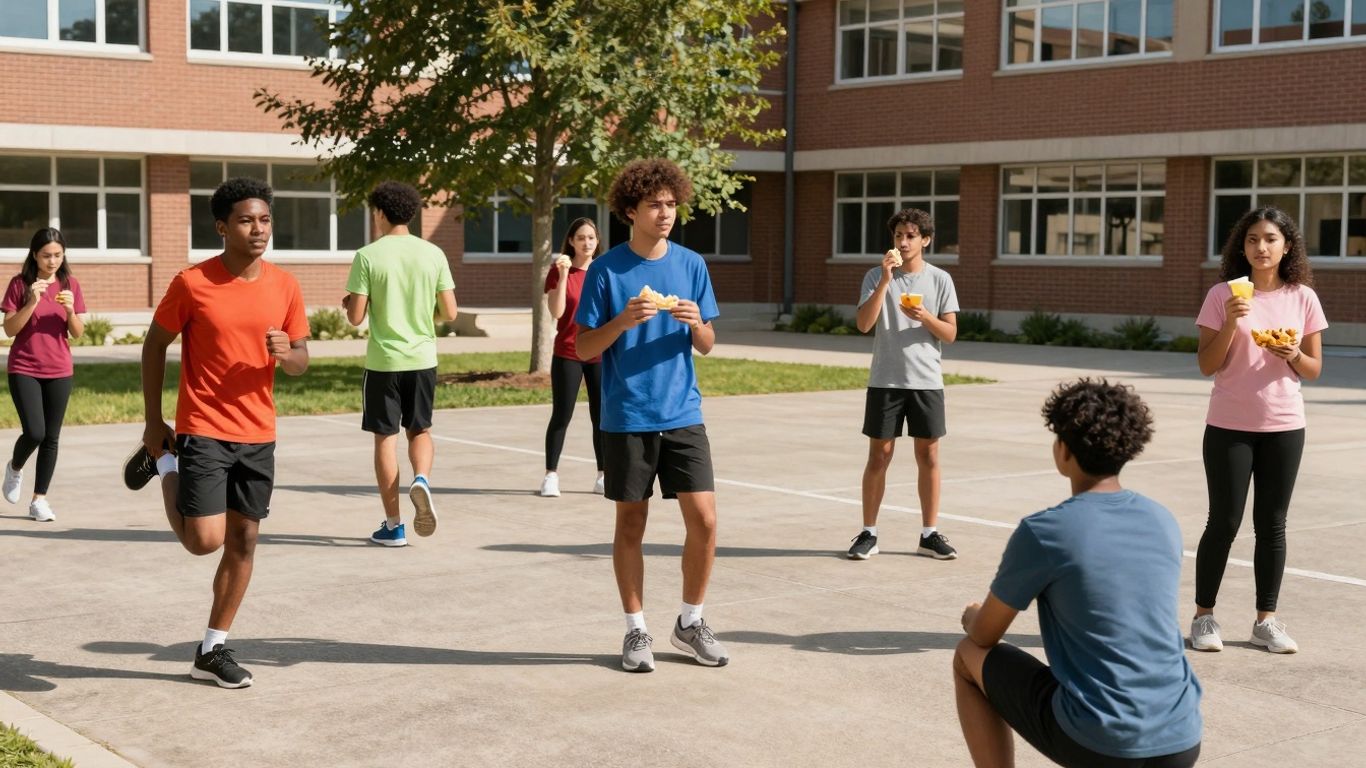
Schools are more than just places for learning math and history; they're also prime spots for shaping lifelong habits. Since students spend so much time on campus, the school environment plays a big role in what they eat and how active they are. Making fitness and good nutrition a part of the school's everyday vibe can really make a difference. It's about creating a culture where healthy choices are easy and encouraged, not just in the gym or cafeteria, but everywhere.
Creating Movement Opportunities Throughout the Day
It's easy for students to get stuck sitting for long periods, whether in class or studying. We need to build in chances to move more. Think about short "brain breaks" during lessons where everyone stands up, stretches, or does a quick activity. Even small things, like encouraging students to walk to a friend's classroom instead of texting, or using stairs instead of elevators, add up. Schools can also set up designated walking paths around campus that students can use during free periods. Making movement a natural part of the school day, not just a scheduled event, is key.
Promoting Extracurricular Fitness Activities
Beyond the usual sports teams, schools can offer a wider range of activities to get students moving. Clubs focused on hiking, biking, or even dance can attract students who might not be into traditional competitive sports. These groups provide a fun, social way to stay active and explore different interests. Organizing fun runs or fitness challenges open to all students can also build a sense of community and encourage participation. It's about giving everyone a chance to find something they enjoy.
Making Fitness a School-Wide Initiative
For fitness and nutrition to really stick, it needs to be a whole-school effort. This means teachers and staff should also be involved and set good examples. When adults prioritize their own health, students notice. Implementing staff wellness programs can show students that fitness is important for everyone. Integrating nutrition education into the curriculum, not just in health class, helps reinforce these ideas. Think about posters in hallways with healthy eating tips or making sure cafeteria options are clearly labeled and appealing. A unified approach, where everyone is on the same page about the importance of physical activity and nutrition, creates a stronger impact.
Schools have a unique chance to influence student health in a big way. By weaving movement and healthy eating into the fabric of daily school life, we can help students build habits that will serve them well long after they graduate. It's not just about academics; it's about setting them up for a healthy future too.
Wrapping It Up
So, we've talked a lot about how staying active and eating right can really make a difference, not just for your grades, but for your whole life. It might seem like a lot to juggle with school and everything else, but honestly, finding a good routine for fitness and food is like giving yourself a superpower. It helps you focus better, feel more energized, and just generally handle things with more ease. Don't feel like you have to be perfect right away. Start small, find what works for you, and remember that taking care of your body is a big part of succeeding in school and beyond. It’s a journey, and you’ve got this.
Frequently Asked Questions
Why is balancing school and sports so important for students?
It's like trying to juggle a bunch of balls! Balancing schoolwork and sports helps you do well in both. When you manage your time right, you can be a star athlete and a good student. It also teaches you important life skills like how to handle pressure and stay organized, which will help you long after you leave school.
What are some easy ways to eat healthy when I'm busy with school and sports?
When you're on the go, it's easy to grab junk food. Try packing snacks like fruits, nuts, or yogurt. Also, think about having quick, healthy meals ready. Things like pre-made salads or sandwiches can save you time. Drinking plenty of water is super important too!
How can I avoid getting hurt while playing sports?
Think of your body like a car that needs maintenance. Always warm up before you play and cool down afterward. Stretching helps a lot! Listen to your body – if you feel tired or sore, take a break. Proper training and not pushing yourself too hard when you're exhausted are key to staying injury-free.
What's the best way to get enough energy for both workouts and studying?
You need good fuel! Eating foods with carbs gives you energy for sports and brainpower for school. Protein helps your muscles recover. Try to eat balanced meals and snacks throughout the day. Don't skip breakfast – it's like starting your engine for the day!
Can schools help students be healthier?
Yes, absolutely! Schools can offer more chances to move around during the day, like short stretch breaks. They can also have fun sports clubs or fitness groups after school. When schools make health and fitness a big deal for everyone, students learn how important it is.
What does 'fitness education' really mean for students?
It means learning how to take care of your body for your whole life. It's not just about playing sports. It's about understanding how exercise works, how to eat right, and how to stay healthy so you don't get sick. This knowledge helps you make smart choices about your health now and in the future.


0 comments