










Thinking about getting a trampoline at home? It's a fantastic way to add some fun and activity for the whole family. But with so many options out there, figuring out the best fit can feel a bit overwhelming. Whether you're picturing bouncing sessions in the living room or epic backyard adventures, this guide is here to help. We'll break down what you need to know to choose the perfect trampoline at home, making sure it's safe, fun, and fits your space and budget.
Key Takeaways
- Decide if an indoor trampoline (for convenience and smaller spaces) or an outdoor trampoline (for more room and fresh air) suits your needs best.
- Measure your space carefully, considering ceiling height for indoor options and yard size/terrain for outdoor ones.
- Prioritize safety with features like enclosures, padding, and secure frames to prevent accidents.
- Think about extra fun with accessories like basketball hoops or weather protection for storage.
- Budget for the initial cost, plus any installation or accessory expenses, and consider long-term durability.
Understanding Your Trampoline Options
So, you're thinking about getting a trampoline for your place. Awesome! But before you go picking out the brightest colors, let's chat about the main types you'll find. It really boils down to where you plan to put it: inside or outside.
Indoor Trampolines: Convenience and Compact Fun
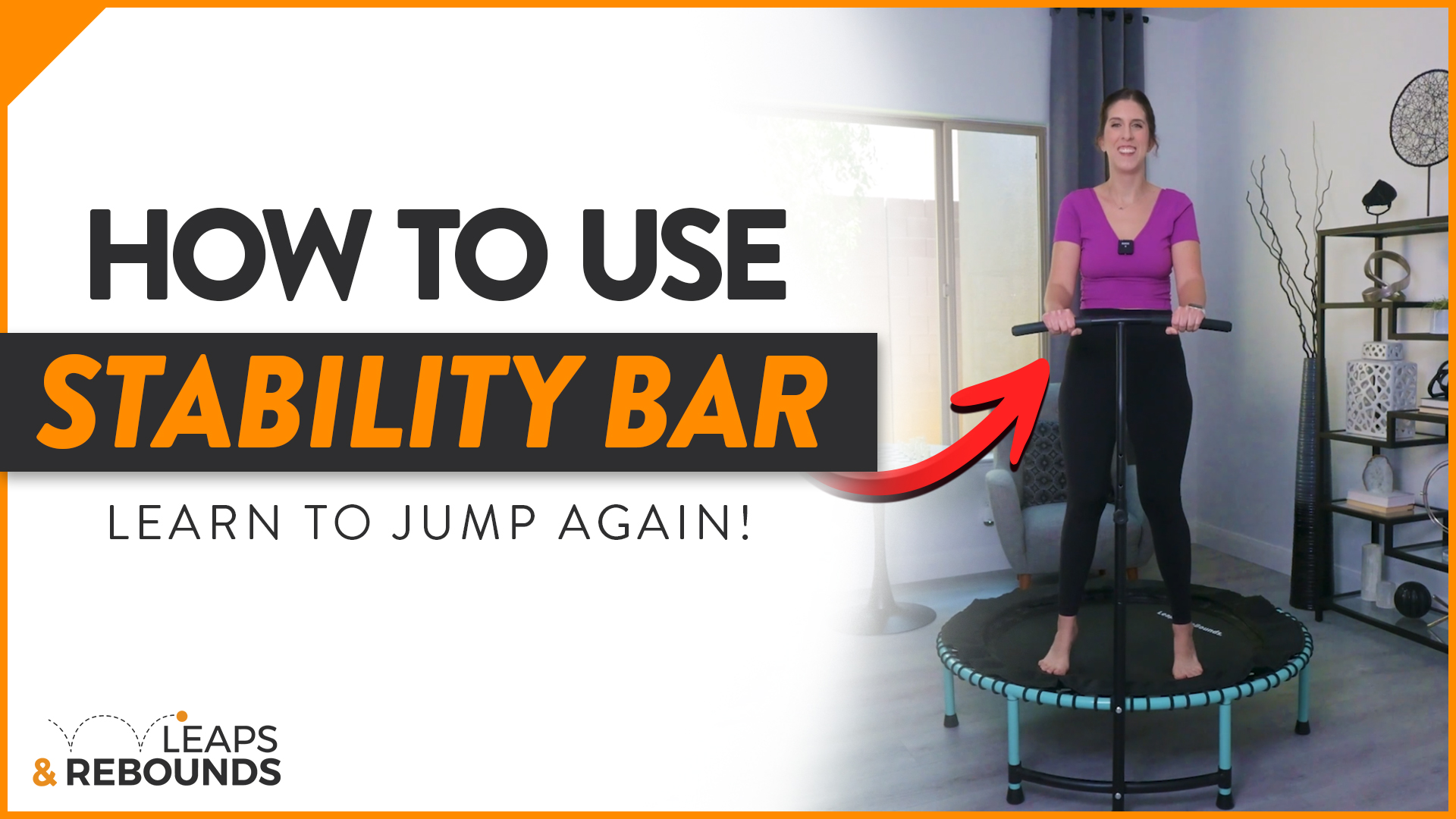
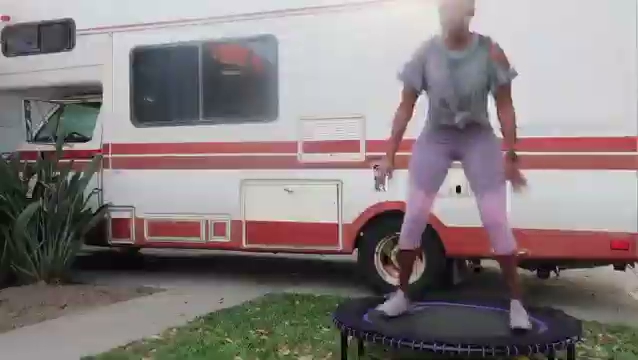
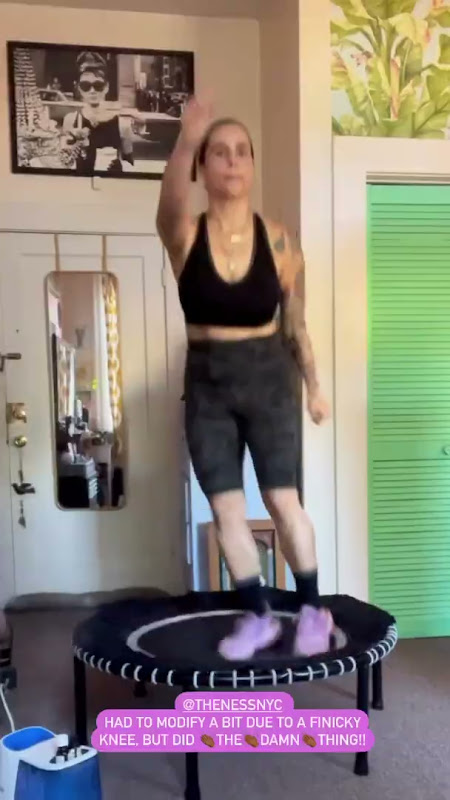
Indoor trampolines are your go-to if space is a bit tight or you just want to bounce year-round, no matter what the weather's doing outside. Think smaller, often round or rectangular, and designed to fit into a room. These are great for kids to burn off energy on a rainy day, or even for adults looking for a fun way to get some exercise without leaving the house. They're usually pretty quiet, too, which is a big plus if you have close neighbors or live in an apartment.
- Rebounders: These are the smallest, often just a few feet across, and are perfect for fitness. You stand on them and do bouncing exercises. Super compact!
- Mini Trampolines: A step up from rebounders, these are still small enough for indoor use but offer a bit more bounce. Great for younger kids or basic bouncing.
- Larger Indoor Models: Some people dedicate a whole room or a large basement space to a bigger indoor trampoline. These can offer a more robust bouncing experience, but you'll definitely need to check your ceiling height.
When choosing an indoor trampoline, always measure your space carefully. Don't forget to account for the height of the ceiling – you need plenty of room to jump safely without hitting your head!
Outdoor Trampolines: Embracing the Elements
Now, if you've got a backyard, an outdoor trampoline opens up a whole new world of fun. These are typically larger and built to withstand the elements. They're the classic backyard setup you probably grew up with, perfect for games, flips, and just general outdoor play. You've got more options here in terms of size and shape, from big round ones to rectangular ones that gymnasts sometimes prefer.
- Spring Trampolines: The most common type. They use metal springs to give you that classic bounce. They come in all sorts of sizes and price points.
- Springless Trampolines: These use flexible rods or bands instead of springs. They can be safer as there are no exposed springs to get caught on, and some people find the bounce smoother.
- In-Ground Trampolines: These are installed so the trampoline surface is level with the ground. They look really neat and can be safer for little kids since there's no high fall if they step off. However, installation is a whole different ballgame.
Choosing Between Indoor and Outdoor Trampolines
So, which one is right for you? It really depends on your situation. If you have limited space or want year-round bouncing regardless of weather, an indoor model is likely your best bet. They're convenient and generally easier to fit into a home environment. On the other hand, if you have a decent-sized yard and want that classic outdoor play experience, an outdoor trampoline is the way to go. They offer more space for bigger jumps and are built for the outdoors.
| Feature | Indoor Trampoline | Outdoor Trampoline |
|---|---|---|
| Space Needed | Smaller footprint, fits in rooms | Requires yard space, various sizes available |
| Weather | Usable year-round, protected from elements | Dependent on weather, needs protection from elements |
| Bounce Quality | Varies, often good for fitness or basic jumps | Varies greatly, can be very high for advanced jumps |
| Installation | Generally simpler, less ground prep | Can be more involved, especially in-ground models |
| Noise | Typically quieter | Can be noisier, consider neighbors |
Key Considerations for Your Trampoline at Home
So, you've decided a trampoline is the next big thing for your living room (or backyard!). Awesome! But before you go picking out the bounciest model you can find, let's talk about a few things you really need to think about. It's not just about the fun; it's about making sure it fits your space and your life.
Assessing Available Space and Ceiling Height
This is probably the most important step. You don't want to buy a trampoline only to find out it barely fits or, worse, that someone's going to smack their head. For indoor trampolines, measure everything. Seriously, get out the tape measure. You need to know the length, width, and, crucially, the ceiling height of the room you're thinking of putting it in. A good rule of thumb is to have at least a few feet of clearance above the highest point of the trampoline mat. This gives you room for higher bounces without any nasty surprises. For outdoor trampolines, think about the overall yard space. Is it level? Are there trees or power lines nearby? You need a clear zone all around it.
Evaluating Flooring and Ground Surface
What's under the trampoline matters a lot, especially indoors. If you're putting it on a hard floor like tile or hardwood, a fall could be a lot more serious. It's better to have something a bit forgiving, like carpet or a thick play mat underneath. This adds a layer of safety and also helps absorb some of the noise. For outdoor trampolines, the ground needs to be firm and level. You don't want it sinking into the mud or wobbling around. Anchoring it down is also a big deal for outdoor models to keep them stable, especially if you get windy days. You can find some great trampoline anchor kits to help with this.
Considering Noise Levels and Neighborly Relations
Let's be real, trampolines can get loud. Bouncing, squeaking springs, excited shouts – it all adds up. If you live in an apartment building or have close neighbors, this is something to seriously consider. Some indoor trampolines are designed to be quieter, using different materials or spring systems. For outdoor trampolines, the noise might travel further. Think about where you place it in your yard to minimize disturbance. Maybe a spot further from the property line or near a fence that can help buffer the sound. It's all about being a good neighbor and keeping the peace while still having fun.
Trampoline Safety Features for Peace of Mind
When you're thinking about getting a trampoline, the fun part is imagining all the bouncing. But let's be real, safety has to come first. Nobody wants a trip to the emergency room, right? So, what should you look for to keep everyone safe while they're having a blast?
Essential Safety Enclosures and Padding
One of the biggest things to consider is a safety enclosure, often called a net. This is basically a mesh wall that goes around the trampoline. It's designed to stop you from accidentally bouncing off the edge and onto the ground. Think of it as a big, soft hug from the trampoline itself. When you're looking at enclosures, check how sturdy the netting is. You don't want something flimsy that could tear. Also, make sure the poles holding up the net are well-padded. Sometimes, you might get a bit too close to them, and that padding is there to cushion any bumps.
Frame Strength and Spring Coverings
The frame is the backbone of your trampoline, so it needs to be strong. Look for trampolines made with good quality steel that won't bend or break under pressure. Another spot where people can get hurt is around the springs. These are the parts that give you that bouncy feeling, but they can also be a hazard if you land on them wrong. That's why most trampolines come with thick padding that covers the springs and the frame edges. This padding should be durable and securely attached. It's a simple feature, but it makes a huge difference in preventing scrapes and bruises.
Secure Ladder Access and Anchor Kits
Getting on and off the trampoline safely is also important, especially for kids. Most trampolines come with a ladder. Check if the ladder feels stable and has non-slip steps. For outdoor trampolines, you'll definitely want to think about anchoring it down. Wind can be a real problem, and you don't want your trampoline taking flight or tipping over. Anchor kits usually involve stakes that go into the ground to keep the trampoline firmly in place. It's a small extra step, but it adds a lot of security, especially if you live in an area with strong winds.
Safety isn't just about the big features; it's also about the little details. Regularly checking your trampoline for any signs of wear and tear, like rips in the mat or loose springs, is super important. It's like giving your car an oil change – it keeps things running smoothly and prevents bigger problems down the road. Don't wait until something looks obviously broken; a quick once-over every now and then can catch small issues before they become dangerous.
Enhancing Your Trampoline Experience
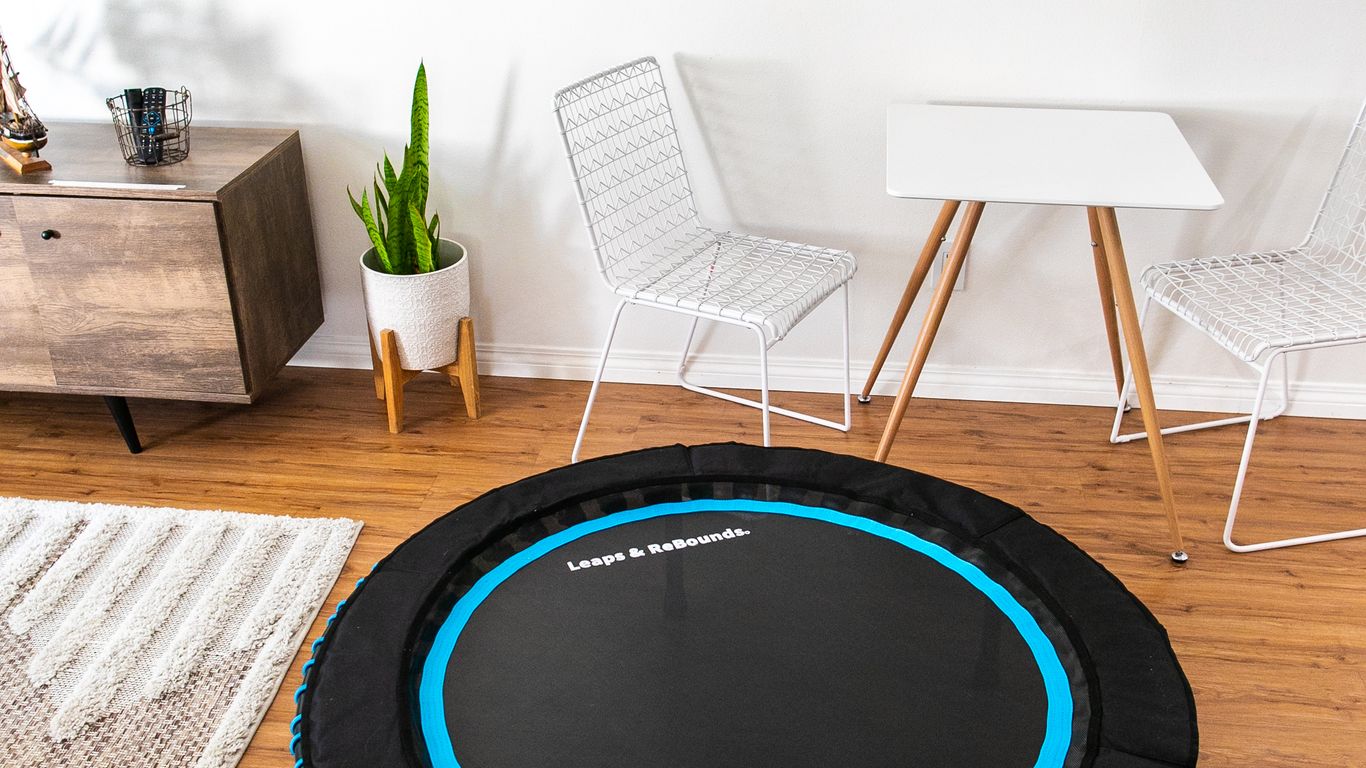
So, you've got your trampoline, and it's great for just bouncing around. But what if you want to take the fun to the next level? There are tons of ways to make your trampoline more than just a bouncy surface. Think of it as a blank canvas for backyard entertainment!
Interactive Games and Fun Accessories
Who says trampolines are just for jumping? You can turn yours into a hub of activity with the right add-ons. Imagine turning your trampoline into a mini sports arena or a challenge course. It’s all about adding new dimensions to the bouncing experience.
- Basketball Hoops: Many trampolines can be fitted with basketball hoops designed specifically for them. This lets you practice slam dunks or just shoot some hoops while you bounce. It’s a fantastic way to add a competitive edge to your trampoline time.
- Volleyball Nets: For a more team-oriented activity, consider a volleyball net. You can set up a friendly game of trampoline volleyball, which is a great workout and a lot of laughs.
- Foam Pits: If you're really into advanced bouncing or just want an extra layer of safety for flips and tricks, a foam pit can be a fun addition. It makes landing a bit softer and adds a whole new element of play.
Adding accessories can really transform a simple trampoline into a dynamic play structure. It’s about maximizing the fun and activity potential for everyone in the family.
Basketball Hoops and Volleyball Nets
These are probably the most popular accessories for a reason. They’re relatively easy to install and offer a completely different way to interact with your trampoline. Playing basketball or volleyball on a trampoline is a unique challenge that requires balance and coordination, making it a fun workout. You can find hoops and nets that attach directly to the trampoline frame, so they’re pretty secure. Just make sure the one you choose is compatible with your trampoline model.
Weatherproof Covers and Storage Solutions
While not directly about playing, these accessories are key to keeping your trampoline in good shape so you can play. A good weatherproof cover is a must, especially if your trampoline is outdoors. It protects the mat and frame from rain, sun, and debris, which can really extend its life. You can find covers that are easy to put on and take off. Also, think about storage. If you have smaller accessories like basketballs or chalk for games, having a small storage bin attached to the frame or nearby can keep things tidy. This also helps prevent tripping hazards. For more tips on keeping your trampoline in top condition, check out how to maintain your trampoline.
Budgeting for Your Trampoline Investment
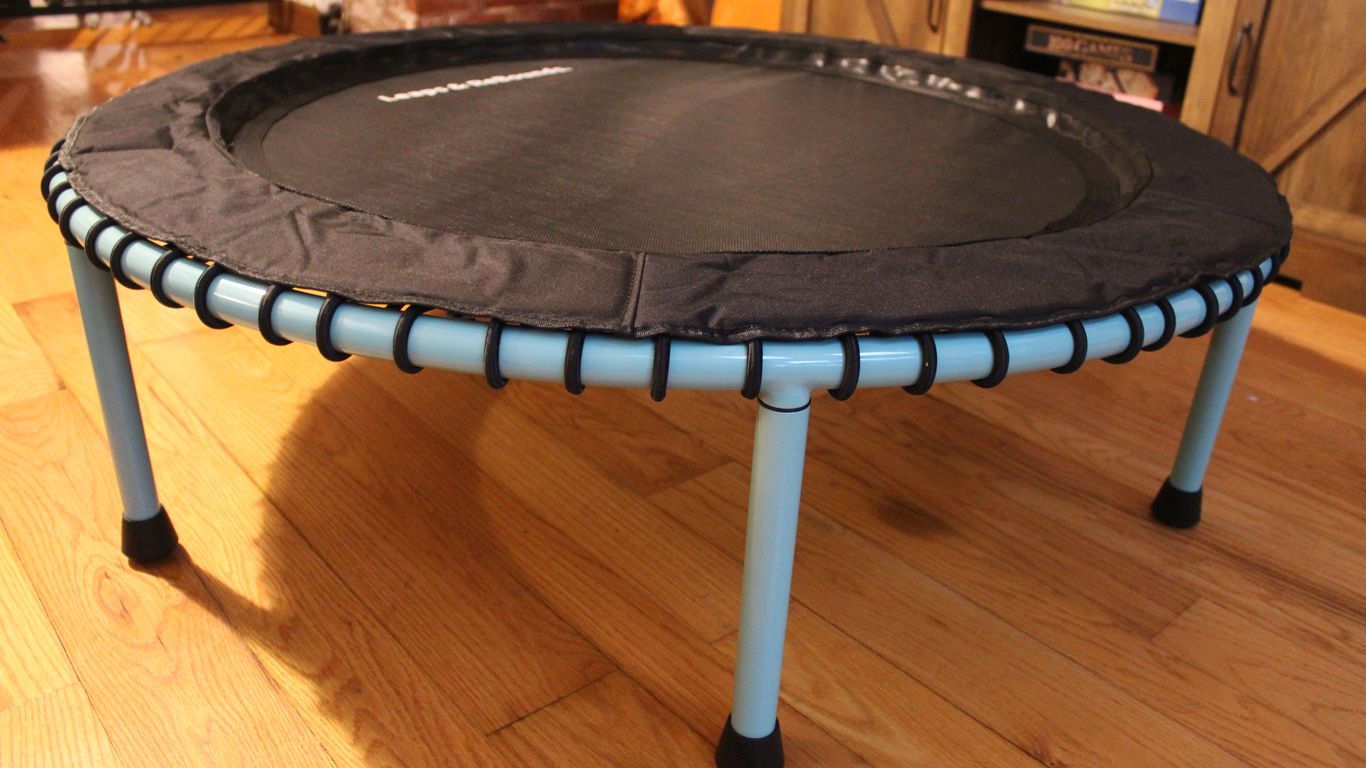
Alright, let's talk about the money side of things. Getting a trampoline is exciting, but it's definitely an investment, and you want to make sure you're spending your cash wisely. It's not just about the sticker price, though. There are a few different costs to think about, and they can add up.
Comparing Initial Costs of Indoor vs. Outdoor Models
Generally, outdoor trampolines are going to cost more upfront. Think about it – they're bigger, built to handle the weather, and usually have more robust frames and springs. Indoor trampolines, especially the smaller fitness ones, can be a lot cheaper to start with. You might find a decent mini-trampoline for a couple of hundred bucks, while a good-sized outdoor one could easily be $500 to $1000 or more, sometimes even a few thousand for the really fancy, large ones.
Here’s a rough idea:
| Trampoline Type | Typical Starting Price | Potential High-End Price |
|---|---|---|
| Indoor (Mini/Fitness) | $100 - $300 | $500+ |
| Indoor (Larger/Play) | $300 - $800 | $1500+ |
| Outdoor (Small/Medium) | $400 - $1000 | $2000+ |
| Outdoor (Large/Premium) | $800 - $2000 | $4000+ |
So, if you're on a tighter budget, an indoor model might be the way to go. But if you've got the space and the funds for an outdoor one, you're often looking at something that will last longer.
Factoring in Installation and Accessory Expenses
Don't forget about the extras! Sometimes, the price you see is just for the trampoline itself. You might need to pay extra for:
- Installation: Some people prefer to have a professional put it together, especially for larger outdoor models. This can add $100-$300 or more.
- Safety Enclosures: If the trampoline doesn't come with one, you'll want to add a net. This can be another $100-$400.
- Padding: Good quality padding for the springs and frame is a must. Budget around $50-$200 for this.
- Anchoring Kits: For outdoor trampolines, especially in windy areas, an anchor kit is a smart buy. These are usually $30-$100.
- Weatherproof Covers: To protect your investment from the elements, a cover can be a good idea. Expect to spend $50-$200.
- Ladders: Some models don't include a ladder, so factor that in if you need one.
These costs can really add up, so make sure you're looking at the total package, not just the base price.
Long-Term Value and Durability
This is where things get interesting. While a cheap trampoline might seem like a good deal now, it might not last very long. Cheaper materials and construction can mean more wear and tear, and you might find yourself replacing parts or the whole thing sooner than you'd like.
High-quality trampolines, whether indoor or outdoor, are built to last. They use better materials that can withstand more use and the environment. While the initial cost is higher, you often get more years of fun out of them, and they might even hold their value better if you decide to sell them down the line. Think about how often you'll use it. If it's going to be a daily fixture for the kids (and maybe the adults!), investing in something sturdy makes a lot of sense. It's like buying a good pair of shoes versus a cheap pair – the good ones cost more but feel better and last way longer.
So, when you're looking at prices, try to think about the cost per year of use. A $1000 trampoline that lasts 10 years is a better deal than a $300 one that only lasts 2 years.
Trampoline Maintenance for Longevity

Keeping your trampoline in good shape isn't just about making it look nice; it's really important for safety and making sure it lasts a long time. Whether you've got a bouncy setup indoors or one out in the yard, a little regular attention goes a long way. Think of it like taking care of a bike or any other piece of equipment you want to keep using.
Regular Cleaning and Inspection
First off, let's talk about keeping things clean. For outdoor trampolines, this means sweeping up leaves, twigs, and any other yard bits that might blow onto the mat or around the frame. Indoors, it's mostly about dust and maybe stray pet hair. A quick sweep or vacuum around the base and on the mat itself can prevent dirt from getting ground in or causing extra wear.
Beyond just tidying up, you'll want to give the whole thing a good look-over regularly. Check the springs – are they all there? Any signs of rust or stretching? How about the mat? Look for any small tears or weak spots, especially around the edges where it connects. The frame should be solid, with no wobbly bits or obvious corrosion. And don't forget the padding around the springs and the safety net, if you have one. Make sure it's all still securely attached and hasn't developed any rips or holes.
Addressing Wear and Tear
Stuff happens, and trampolines, especially outdoor ones, take a beating from the weather. If you spot a spring that looks a bit off, or a tear in the mat, it's best to deal with it sooner rather than later. Waiting can turn a small issue into a bigger, more dangerous one.
Here’s a quick rundown of what to look for and what to do:
- Springs: Check for rust or if any have come loose. Replace any that look damaged.
- Mat: Inspect for rips or holes, especially near the edges. Small tears can spread.
- Padding: Ensure it's still covering the springs and frame securely. Replace if it's torn or flattened.
- Frame: Look for rust or bent parts. Tighten any loose bolts.
- Safety Net: Check for tears or loose stitching. Make sure it's still taut.
It's always a good idea to keep the manufacturer's manual handy. It often has specific advice on what parts are replaceable and how to go about it. Don't try to patch up major damage yourself if you're not sure; sometimes, getting a professional opinion or a replacement part is the safest bet.
Seasonal Care and Storage
If your trampoline lives outside, you'll want to think about the seasons. When winter rolls around, or if you're expecting really bad weather like heavy snow or strong winds, covering it up is a smart move. A good quality, weatherproof cover can protect the mat and frame from the elements, preventing rust and UV damage.
If you're not using it for an extended period, or if you need to store it away for the off-season, taking it apart might be the best option. Store the parts in a dry place, like a shed or garage, to keep them safe from moisture and extreme temperatures. This kind of care really helps extend the life of your trampoline, keeping it ready for fun whenever you are.
Keeping your trampoline in good shape means it will last much longer. Simple steps like checking the springs and cleaning the mat can make a big difference. Want to learn more about how to keep your trampoline bouncing for years to come? Visit our website for all the best tips and tricks!
Ready to Bounce?
So, you've made it through the guide! Choosing the right trampoline for your living room, or maybe your backyard, can feel like a big decision, but hopefully, this has made it a lot clearer. Think about what you really want – is it for the kids to burn off energy, for you to get a workout, or just for some family fun? Keep those safety features in mind, measure your space carefully, and don't forget to think about how much you want to spend. Once you pick the perfect one, get ready for a whole lot of bouncing, laughter, and good times. Happy jumping!
Frequently Asked Questions
What's the main difference between indoor and outdoor trampolines?
Indoor trampolines are usually smaller and designed for use inside your home, perfect for when the weather is bad or you don't have a yard. Outdoor trampolines are bigger and built to handle the elements, giving you more space to jump and play in your backyard.
How much space do I really need for a trampoline?
For indoor trampolines, make sure you have enough ceiling height to jump safely – at least a few feet above your head. For outdoor ones, pick a spot in your yard that's flat, clear of trees or wires, and big enough for the trampoline plus some extra room around it.
Are trampolines noisy, and will my neighbors complain?
Trampolines can make noise, especially when someone is jumping hard. Indoor trampolines might echo more inside. For outdoor trampolines, the noise might be less of an issue if you have a big yard, but it's good to be mindful of your neighbors, especially if you live close by.
What safety features are most important?
Look for a strong frame and good padding around the springs to prevent injuries. A safety net enclosure is also a must-have to stop people from falling off. Make sure any ladders are sturdy and easy to use.
Can I add fun stuff to my trampoline?
Absolutely! You can get accessories like basketball hoops or volleyball nets to make your trampoline even more fun. There are also things like foam pits for extra safety or special covers to protect it from the weather.
How do I take care of my trampoline so it lasts a long time?
Keep it clean by sweeping off leaves and dirt regularly. Check the springs, mat, and frame for any signs of wear and tear. If it's an outdoor trampoline, consider using a cover when it's not in use, especially during bad weather, and store it properly in the off-season if needed.


0 comments