










Thinking about adding a trampoline 14ft to your backyard? It's a fantastic way to get everyone moving and having a blast. But with so many choices out there, picking the right one can feel a bit overwhelming. We've taken a look at some of the top 14ft trampolines available to help you find the perfect fit for your family and your yard. Let's get bouncing!
Key Takeaways
- A 14ft trampoline hits a sweet spot, offering enough space for older kids and adults without taking over your entire yard. Just be sure to check the available clearance space around it.
- When you're shopping, pay attention to safety features like secure enclosures and thick padding. Also, consider the frame's strength for how long it will last and how good the bounce feels.
- For outdoor gear, durability and resistance to the elements are super important. Look for materials that can handle sun and rain, frames that won't rust, and mats that are treated to last.
- Weight limits can differ a lot between 14ft trampolines. Some can hold up to 450 pounds for a single jumper, so check this to make sure it's right for your family.
- Setting up a trampoline can be a bit of a job. Think about how easy it is to put together and if you might need an extra pair of hands. Warranties are also a good thing to look into for peace of mind with this kind of purchase.
Jumpflex Hero 14ft Trampoline
The Jumpflex Hero 14ft trampoline is a pretty solid choice if you're looking for something that balances a good bounce with some serious safety features. It's not the cheapest option on the market, but it feels like it's built to last, which is always a good sign for backyard fun.
One of the things that really makes this trampoline stand out is the bounce quality. The springs are a bit longer than what you typically find on other trampolines in this price range. This means you get a smoother, more energetic jump. It’s not quite like a professional trampoline park, but it’s definitely a step up from those basic models you might see elsewhere.
Safety is clearly a big focus for Jumpflex. The frame is quite robust, with steel struts connecting the different parts. This design gives it more contact with the ground, making it feel really stable. Plus, the netting is positioned well to keep jumpers away from the springs and poles, which is always a plus for peace of mind.
Here’s a quick rundown of some key specs:
- Frame Material: Heavy-duty, 2mm thick powder-coated steel
- Spring Length: 7.1 inches (180 mm)
- Padding Thickness: 15mm
- Weight Capacity: 250 kg total (160 kg individual user)
The Jumpflex Hero uses a dual-ring frame design, which adds a lot of strength and stability. It’s engineered with high-tensile steel, making it one of the strongest and most stable models available. This design means it can handle a significant load, making it suitable for the whole family.
Assembly can be a bit of a project. While the frame is designed to be easier to put together without welding or bolts, it still took a few people a couple of hours to get it fully set up. So, be prepared for that part.
Jumpflex offers a decent warranty, with a 10-year warranty on the frame and a five-year warranty on the jump mat and springs. They also have an option for a lifetime warranty for the entire trampoline if you're willing to pay a bit extra. This kind of long-term coverage can be a good investment for such a large backyard item.
Jumpzylla 14ft Trampoline
When you're on the hunt for a 14-foot trampoline that gives you a lot of jumping room without costing an arm and a leg, the Jumpzylla often comes up. It's a pretty popular choice for families who want a good-sized trampoline without a super high price tag.
This trampoline comes with the usual safety stuff, like a net around the edge and padding over the springs. The frame is made of galvanized steel, and the legs have a powder coating to help ward off rust. It's designed to be a solid option for backyard fun.
Here's a quick look at some of its features:
- Weight Capacity: It can handle up to 450 pounds for a single jumper, which is quite a bit and means it's pretty sturdy.
- Frame: Galvanized steel with powder-coated legs for better rust protection.
- Safety Net: Made from a dense material to keep jumpers contained.
- Spring Cover: Comes with thick padding to cover those springs.
- Color Options: You can even pick the color of the spring cover – black, blue, orange, or green.
While the Jumpzylla offers a good weight limit and a lower price, some folks have mentioned that the net material might not last as long as on more expensive models. This could mean you might need to replace it sooner rather than later. Also, the warranty is only for one year, which is shorter than what you might find on other trampolines in this size range.
If you're looking for an affordable way to get a 14-foot trampoline into your backyard and you're okay with potentially needing to replace parts down the line, the Jumpzylla could be a good fit. It's got a lot of positive feedback from users, with an average rating of 4.6 out of 5 stars based on over 800 reviews on Walmart's U.S. website. It's definitely a contender if price is a major factor in your decision.
Overall, it's a decent trampoline for the money, especially if you're on a tighter budget. Just keep in mind that you might need to do some upkeep or replacements sooner than with pricier options.
Sportspower Bounce Pro 14′ Trampoline
If you're on the hunt for a trampoline that offers a good time without emptying your wallet, the Sportspower Bounce Pro 14′ Trampoline is definitely worth checking out. It's a budget-friendly option, and while it might not have all the fancy features of the more expensive models, it still meets important safety standards. This trampoline is a solid choice for families who want casual backyard fun without a huge investment. Assembly was surprisingly straightforward for a trampoline, which is saying something.
When it comes to putting it together, the instructions were clear, and we didn't have to backtrack or redo any steps, which was a relief. It took us about two hours, which felt pretty reasonable for a 14-foot trampoline. You can find more details on assembly and quality for similar budget options here.
Here's a quick look at what you get:
- Safety Features: It meets the same ASTM safety requirements as more expensive trampolines. The springs are located outside the safety net, keeping jumpers away from them.
- Bounce Quality: This is where it's a bit different. It has fewer and shorter springs (72 springs, each 5.5 inches long) compared to other 14-foot models. This means the bounce is noticeably less springy, especially if you're jumping near the edges. It feels a bit stiffer overall.
- Durability: The frame is made of steel, and it comes with a decent warranty. You get seven years for the frame, three for the mat, and one year for the whole trampoline. Just remember, the warranty doesn't usually cover damage from weather or rust, though they sometimes make exceptions.
While the Sportspower Bounce Pro 14′ Trampoline might not give you that super-high, trampoline-park-level bounce, it provides a safe and enjoyable jumping surface for everyday backyard fun. It's a practical pick for those prioritizing cost-effectiveness.
The Sportspower Bounce Pro 14′ Trampoline has the fewest and shortest springs of the 14-foot trampolines tested, resulting in a less satisfying bounce. However, it meets or exceeds the safety features of other picks and was one of the easier trampolines to assemble.
Acon X 17ft Trampoline
While this guide is mostly about 14-foot trampolines, we can't ignore the Acon X 17ft if you've got the space and the budget for something bigger. This isn't just a larger version of a standard trampoline; it's built for a whole different level of backyard activity and fitness. The Acon X 17ft is seriously designed for heavy use and long-lasting durability.
This model really stands out because of its super strong, galvanized steel frame. It's made to handle a lot of jumping and resist rust, which is a huge plus for something that's going to be outside all year. The jumping mat is made from polypropylene that's treated to resist UV rays, so it shouldn't break down too fast from sun exposure. Acon is also known for letting you customize things, so you can often tweak the bounce and other features to your liking.
Here’s a quick rundown of what makes it special:
- Robust Frame: Uses heavy-duty galvanized steel for maximum stability and a long life.
- Durable Mat: Made from UV-treated polypropylene that holds up well against the weather.
- Customizable Bounce: Often includes adjustable height settings and advanced spring systems for a personalized jumping feel.
- Enhanced Safety: Comes with a strong safety enclosure and thick padding.
The Acon X 17ft is definitely a big investment, but if you're looking for a top-quality, long-lasting trampoline that can handle intense use and give you an amazing bouncing experience, it's worth considering. It's more about high performance and toughness than just casual bouncing.
When you're thinking about a trampoline this size, really consider how much yard space you have. A 17-foot trampoline takes up a significant area, so measure carefully before you commit. Also, check the weight capacity; larger trampolines usually support more weight, which is good for multiple jumpers or heavier users.
Acon 16 HD Trampoline
If you're looking for a trampoline that's a step up in size from the standard 14-footers but still fits comfortably in most backyards, the Acon 16 HD is a really solid option. It's a rectangular model, which many people find gives a more predictable and consistent bounce across the entire jumping surface. This isn't just about size, though; Acon really focuses on making these things tough.
The frame is made from heavy-duty galvanized steel. That means it's built to resist rust, which is a big deal when you're leaving it outside year-round. The jumping mat is also designed to last, using polypropylene that's treated to stand up to UV rays, so it shouldn't get brittle and break down from sun exposure too quickly. Safety is a big part of the Acon design, too. It comes with a safety enclosure that has a strong net and thick foam padding around the edges to help keep jumpers safe.
Here's a quick rundown of what you're getting:
- Frame: Heavy-duty galvanized steel for stability and rust prevention.
- Mat: UV-treated polypropylene that holds up to the sun.
- Safety: Includes a robust enclosure net and thick foam padding.
- Shape: Rectangular, offering a consistent bounce.
This trampoline is built to handle a lot of use, making it a good choice for families who plan on getting plenty of bouncing action out of it. The combination of strong materials and thoughtful safety additions makes it a reliable piece of backyard equipment.
Overall, the Acon 16 HD fits right into Acon's reputation for making durable, weather-resistant trampolines. It offers a good mix of size, safety, and longevity for your backyard fun.
Acon 13 HD Trampoline
If you're looking for a solid trampoline that doesn't take up your entire yard, the Acon 13 HD might be just the ticket. It's a bit smaller than some of the other 14-footers out there, but don't let that fool you. This thing is built tough, just like its bigger siblings in the Acon lineup. It's designed to give you a great bounce without demanding a massive amount of space.
What makes the Acon 13 HD stand out is its focus on performance and durability, even in a slightly more compact size. It uses the same kind of heavy-duty galvanized steel for the frame as the larger models, which means it's going to hold up well against the weather and all that jumping. Plus, the jumping mat is made from UV-resistant material, so it won't get all brittle and faded after a couple of summers.
Here’s a quick look at what you get:
- Frame: Heavy-duty galvanized steel for maximum stability and rust resistance.
- Mat: UV-treated polypropylene, built to last through sunny days.
- Safety Net: A sturdy enclosure to keep jumpers safely on the mat.
- Padding: Thick foam padding over the springs for an extra layer of protection.
This trampoline is a good choice if you want that Acon quality and bounce but have slightly less room to work with. It’s not just for kids, either; adults can get a good workout or just enjoy some fun bouncing. While it's a 13-foot model, it still offers a substantial jumping area that feels generous for its size. You get a consistent and responsive bounce, making it suitable for a range of activities from casual play to more energetic bouncing.
The Acon 13 HD Performance trampoline is the ultimate choice for families seeking fun, safety, and top-tier performance. Its high-performing Performance Springs, made from Piano Wire, provide an incredible bounce, perfect for kids and adults to enjoy flips, tricks, and screen-free play.
Zupapa Saffun Trampoline
The Zupapa Saffun 14ft trampoline often pops up as a budget-friendly choice for backyard fun. It's known for being relatively easy to put together and generally holding up well for the price. This model is a good pick if you're looking for a decent bounce without spending a fortune.
When you get the Zupapa Saffun, they usually toss in a bunch of helpful extras. You'll often find a ladder for easier access, an anchor kit to help keep it grounded during windy days, and a cover to protect it when it's not in use. They even sometimes include gloves to make the assembly process a bit more comfortable, which is a thoughtful touch.
Here's a quick rundown of what you can expect:
- Weight Capacity: Up to 425 lbs, which is pretty generous for family use.
- Springs: Typically around 96 springs, providing a good amount of bounce.
- Included Accessories: Ladder, anchor kit, protective cover, and assembly gloves.
- Safety: Comes with a safety enclosure net to keep jumpers contained.
While the Zupapa Saffun is built to be durable, it's always wise to take extra precautions during severe weather. Some users have noted that extreme conditions can pose a challenge. It's a good idea to use the included cover or even consider removing the mat during harsh storms to prolong the trampoline's life.
It's worth noting that Zupapa has mentioned discontinuing this specific model and has replaced it with a heavier version. They do back their products with a 10-year warranty, which is a positive sign, even covering weather-related issues in some cases. Taking good care of your trampoline, like protecting it from the elements, is key to making it last as long as possible.
Avyna Pro Line 14′ Trampoline
If you're looking for a trampoline that really lets you soar, the Avyna Pro Line 14′ might be your jam. Seriously, the bounce on this thing is something else. It feels like you get more air, and the whole jumping surface seems to work with you, not against you. It's got these 96 springs, each 8.5 inches long, which really makes a difference compared to others where the bounce can get a bit stiff if you're not right in the middle. It's like the whole mat is the sweet spot.
One thing that sets the Avyna apart is what it comes with. Unlike some other models where you have to buy extras, this one often includes a ladder and even an anchor kit right out of the box. That's pretty handy because those are things you'll definitely want. You can find this Pro-Line round in-ground trampoline in different sizes, but the 14-foot is a popular choice for backyards.
Here's a quick look at some of its specs:
- Frame Warranty: Lifetime (manufacturer defects)
- Springs Warranty: 10 Years
- Other Parts: 3 Years
- Padding Thickness: 25 mm (noticeably thicker than many competitors)
- Included Accessories: Ladder and Anchor Kit (often)
Now, it's not all sunshine and rainbows. The biggest head-scratcher is that the springs and padding are located inside the safety net. While the padding is thick, it still feels a bit odd that you could potentially land on them. It meets safety standards, sure, but it's a design choice that makes you pause. Also, putting this thing together? It's a bit of a puzzle. The instructions are mostly diagrams, and they can be a little vague, especially when it comes to lining up frame pieces. It definitely took longer than we expected.
Despite the assembly quirks and the spring placement, the Avyna Pro Line 14′ really shines when it comes to the actual jumping experience and the strength of its warranty. The frame itself comes with a lifetime warranty, which is pretty rare and speaks to how confident they are in its build quality. The springs get a solid 10 years, and other parts are covered for three. It feels like a trampoline built to last, even if you have to wrestle with the instructions a bit to get it set up.
Overall, if a superior bounce and a top-notch warranty are your main priorities, and you're prepared for a potentially tricky assembly process, the Avyna Pro Line 14′ is a strong contender. It's definitely a step up in terms of pure jumping fun.
Safety Features
When you're looking at trampolines, especially a 14-foot model, safety really needs to be your top priority. It's not just about having a good time; it's about making sure everyone stays safe while they're bouncing around. Think of it like this: a trampoline is basically a big springy toy, and with any toy, you want to know it's built with safety in mind.
The best trampolines come with built-in safety features that help prevent common injuries. Here are some things to look for:
- Enclosure Net: This is a big one. A good net should completely surround the jumping area, and there shouldn't be any gaps between the mat and the net. This stops people from accidentally falling off. Some nets are designed to tuck inside the springs, which is a smart way to keep fingers and toes from getting caught. A high-quality net is a must-have.
- Padding: You'll want thick padding that covers all the springs and the metal frame. This padding should be tough and able to handle the weather. It's there to cushion any accidental bumps. Aim for at least a couple of inches of dense foam that fully encases the springs and frame.
- Frame Design: Look for trampolines with curved enclosure poles. These poles usually arch away from the jumping space, so if someone does bump into them, it's less likely to be a hard impact. Some models even have extra padding around the poles and frame for added peace of mind.
- Secure Entry: How do you get on and off? A zipper or a secure clip system for the net opening is a good sign. It means the net stays closed when it's supposed to.
- Anchor Kit: Especially if you live in a windy area, an anchor kit is a smart addition. It helps keep the trampoline from tipping over or moving around. You can find a Jumpzylla 14ft Trampoline that comes with a good safety net and padding right out of the box, but adding more never hurts.
Safety features are great, but common sense goes a long way too. Always have rules, like only one person jumping at a time, and make sure an adult is supervising. It's the combination of good design and smart usage that makes for the safest fun.
Here's a quick look at some key specs to compare:
| Feature | What to Look For |
|---|---|
| Enclosure Net | High-quality mesh; no gaps to the mat |
| Padding | At least 1 inch thick; securely attached |
| Frame Design | Curved poles; sturdy construction |
| Entry System | Zipper and/or secure clips |
| Anchor System | Optional, but recommended for windy areas |
Durability And Weather Resistance
When you're thinking about a trampoline, you definitely want it to last. Nobody wants their new backyard fun zone to turn into a rusty mess after just one season. The materials used and how well they're put together make a huge difference in how long your trampoline will stay in good shape.
Most trampolines are built to be outside, but that doesn't mean they're invincible. Things like harsh sun, heavy rain, and even strong winds can take a toll. You'll often find that manufacturers suggest taking the jumping mat off during the winter months to protect it from snow and ice. It's a bit of a job, but it can really help prevent damage. A good trampoline cover is also a smart buy to keep leaves and debris from piling up.
Here’s what to look for to make sure your trampoline can handle the weather:
- Frame: Look for frames made of galvanized steel. This means it's coated to stop rust. Some also have a powder coating on top for extra protection. This is super important because the frame is the backbone of the whole thing.
- Jumping Mat: The mat should be made from strong polypropylene and, importantly, be UV-resistant. This stops it from getting brittle and cracking when the sun beats down on it all summer long.
- Padding and Net: Just like the mat, the padding that covers the springs and the safety net should also be treated to resist sun damage. If these parts break down, it's not only unsightly but can also become a safety hazard.
It's also worth noting that warranties usually don't cover damage from extreme weather events like hurricanes or heavy snow. It's really up to you to protect your investment. Using anchor kits can help keep the trampoline from blowing away in strong winds, which is a good idea if you live in a windy area. You can find anchor kits for added security.
Investing a bit more upfront for a trampoline built with quality materials and a solid warranty often saves you money and hassle in the long run. It means more reliable fun and less worry about breakdowns. A longer warranty, especially on the frame and mat, is a good indicator of the manufacturer's confidence in their product's longevity. Some brands even offer extended or lifetime warranties, which can be a huge plus.
When you're comparing different models, pay attention to the details. For example, some trampolines might have a 10-year warranty on the frame, while others might only offer two or three. That's a big difference! Similarly, a trampoline with a higher weight capacity might suggest stronger construction, which usually translates to better durability. It’s about finding that sweet spot between initial cost and how many years of reliable bouncing you can expect. You can find replacement parts and accessories for many trampoline models to keep your trampoline in good shape.
Bounce Quality
When you're thinking about a trampoline, the bounce is kind of the whole point, right? It's not just about how high you can go, but how the jump feels. A good bounce is responsive, springy, and just plain fun. It's the difference between a sluggish thud and a joyful leap.
The quality of the springs and the mat are the real stars of the show when it comes to bounce. You can have the biggest trampoline in the world, but if the springs are weak or the mat doesn't have enough give, the jumping experience will be pretty disappointing. It's like having a sports car with flat tires – looks the part, but doesn't perform.
Here's what really makes a difference:
- Spring Length and Gauge: Longer, thicker springs generally provide a more powerful and satisfying bounce. They have more give and can propel you higher. Think of it like a rubber band – a thicker, longer one can stretch further and snap back with more force. For a 14ft trampoline, springs around 7 inches or longer are usually a good sign.
- Spring Count: More springs usually mean a more even distribution of weight and a more consistent bounce across the entire mat. Fewer springs can lead to dead spots or a stiffer feel, especially near the edges. A common number for a 14ft model is around 96 springs, but this can vary.
- Mat Material: The material of the jumping surface itself plays a role. It needs to be strong enough to handle repeated stress but also flexible enough to contribute to the rebound. Look for UV-resistant materials with reinforced stitching.
The frame design also plays a part. How the springs attach to the frame and the overall sturdiness of the frame can impact how energy is transferred during a jump. A solid frame means less wasted energy and a more predictable bounce.
Ultimately, a trampoline that feels lively and energetic underfoot, even if it's not the absolute largest, will likely provide more enjoyment. Sometimes, a slightly smaller trampoline with top-notch springs and matting is a much better deal than a massive one with mediocre components.
Weight Capacity
When you're picking out a 14-foot trampoline, figuring out how much weight it can hold is a pretty big deal. It's not just about cramming a bunch of people on there; it's really about safety and making sure the trampoline doesn't get messed up.
Most standard 14-foot trampolines are built to handle somewhere between 200 and 400 pounds. Some of the really heavy-duty ones might even go up to 600 pounds, but that's not as common for a regular backyard setup. It's super important to know the exact weight limit for any trampoline you're thinking about buying. You can usually find this info in the product description or the manual. Don't just guess!
Here's a quick look at what you'll typically see:
- Single Jumper Weight Limit: This is the maximum weight for one person jumping at a time. It's a key safety number.
- Total Weight Capacity: Some companies list a total weight the trampoline can support, but the single jumper limit is usually more important for preventing accidents.
- Frame and Spring Strength: The materials used for the frame and how many springs (or rods, if it's springless) there are directly affect how much weight can be safely held.
Always check the manufacturer's specific weight capacity. Going over that limit can put a lot of stress on the frame and springs, which could lead to damage or, worse, an accident. It's also a good idea to remember that the weight capacity is usually for one person at a time. Trying to have multiple people jump, even if their combined weight is under the limit, really ups the risk of injuries because of unpredictable bounces and potential collisions. It's best to stick to the one-jumper-at-a-time rule for the safest bouncing fun. Some models might have a single jumper limit around 198 pounds, while others can go up to 300 or even 350 pounds. It really does vary quite a bit from one brand to another, so looking at options like the Jumpflex Hero 14ft Trampoline can give you a good idea of what's out there.
Frame Strength
The frame is basically the skeleton of your trampoline, and for a 14ft model, you really want it to be solid. It's what holds everything together and keeps it stable, especially when someone's doing a big jump. A weak frame can feel wobbly, and nobody wants that when they're trying to have fun.
Most good trampolines use galvanized steel for their frames. This means the steel has a protective coating to stop it from rusting, which is a big deal if it's going to be outside all year. You'll sometimes see terms like 'heavy-duty' or specific steel gauge numbers. Generally, thicker steel (which has a lower gauge number) means a stronger frame. For a 14ft trampoline, you're looking for something that feels substantial and doesn't flex too much, even with a couple of people jumping. A strong frame is the foundation for safe and enjoyable bouncing.
Here's what to look for:
- Material: Galvanized steel is the standard because it holds up well against rust and corrosion.
- Thickness: Thicker steel tubing is better. While exact gauges can be tricky to find, a frame that feels robust is a good sign.
- Construction: Check how the frame pieces connect. Welded joints are usually stronger than those held together only by bolts, though good quality bolts can also work well.
- Legs: The number and design of the legs matter for stability. More legs generally mean a more stable platform.
A trampoline frame isn't just about holding up the mat; it's about providing a stable platform that can handle the forces of jumping. A weak frame can lead to instability, which is a major safety concern. It might not seem as exciting as the bounce itself, but it's arguably the most critical component for longevity and safety.
When comparing models, pay attention to how the frame is described. Some brands, like Jumpflex, use a DualRing™ frame system with high-tensile steel tubing for extra strength and stability. This kind of detail can make a big difference in how secure the trampoline feels during use. Remember, a sturdy frame is key to a great trampoline experience.
Spring Count
When you're checking out a 14-foot trampoline, the number of springs is something to pay attention to. It's not just a random detail; it really affects how the trampoline feels when you jump.
Most typical 14-foot trampolines come with around 96 springs. This number can shift a bit depending on the brand and specific model, naturally. Think of it this way: more springs, when they're put together right, can lead to a more consistent and lively bounce. It's all about how they're spaced out and how strong they are.
Here's a quick rundown of what influences the spring count and how well it performs:
- Spring Count: Generally, about 96 springs is pretty standard for a 14ft model.
- Spring Length and Coil: Longer, tightly wound springs often give a better bounce. You'll often see recommendations for 6-7 inch springs or longer, especially if adults plan on using it.
- Springless Designs: Some trampolines skip traditional springs altogether, using rods or bungees instead. These are made to cut down on common spring-related injuries.
The frame design also plays a part in how springs transfer energy during a jump. A solid frame means less energy gets wasted. It's easy to get focused on the size of a trampoline, but don't let that distract you from what really makes a jump great. A trampoline that feels energetic underfoot, even if it's not the biggest one out there, will probably be more fun and last longer in terms of enjoyment. Sometimes, a slightly smaller trampoline with excellent springs and matting is a much better deal than a huge one with average parts.
When you're comparing different models, look for details about the springs – how long they are, what they're made of (usually galvanized steel), and how many there are. Also, check out reviews that talk specifically about the bounce quality. Does it feel 'dead' or 'lively'? Does it send you way up or just give you a little lift? These details can tell you a lot about how the trampoline will perform. Some models might even include extra accessories like anchors to keep it secure, which is a nice bonus. See trampoline details.
It's important to remember that the number of springs isn't the only factor. The quality of the springs, their length, and how they're attached to both the frame and the jumping mat all contribute to the overall bounce. A trampoline with fewer, but higher-quality, longer springs might offer a better experience than one with a high count of shorter, weaker springs.
Padding Thickness
When you're checking out trampolines, the padding is a pretty big deal. It's that thick cushion that sits over the springs and the metal frame, and it's your main buffer against bumps and bruises. You don't want to skimp here.
The thicker the padding, the better the protection. We're talking about a good couple of inches of dense foam. Anything less, and you risk little fingers or toes getting caught, or worse, a hard landing on the metal frame. It needs to be substantial enough to completely cover all the metal bits and the springs, so there are no exposed hazards.
Here's what to keep in mind:
- Minimum Thickness: Aim for at least 1 to 2 inches of high-density foam. Some premium models might even go up to 3 inches.
- Material: Look for padding made from weather-resistant materials like PVC or vinyl. This helps it stand up to sun, rain, and constant use without breaking down too quickly.
- Attachment: How is the padding secured? It should be firmly attached, often with straps or ties, so it doesn't shift around when someone lands on it. Loose padding is a safety hazard.
Don't just look at the padding's thickness; consider how well it's integrated with the trampoline's design. A snug fit that stays put is just as important as the foam itself for keeping jumpers safe.
Some trampolines might list their padding thickness, but if they don't, it's definitely worth asking or checking user reviews. It's one of those features that might seem minor, but it makes a huge difference in the overall safety and enjoyment of your trampoline.
Assembly Process
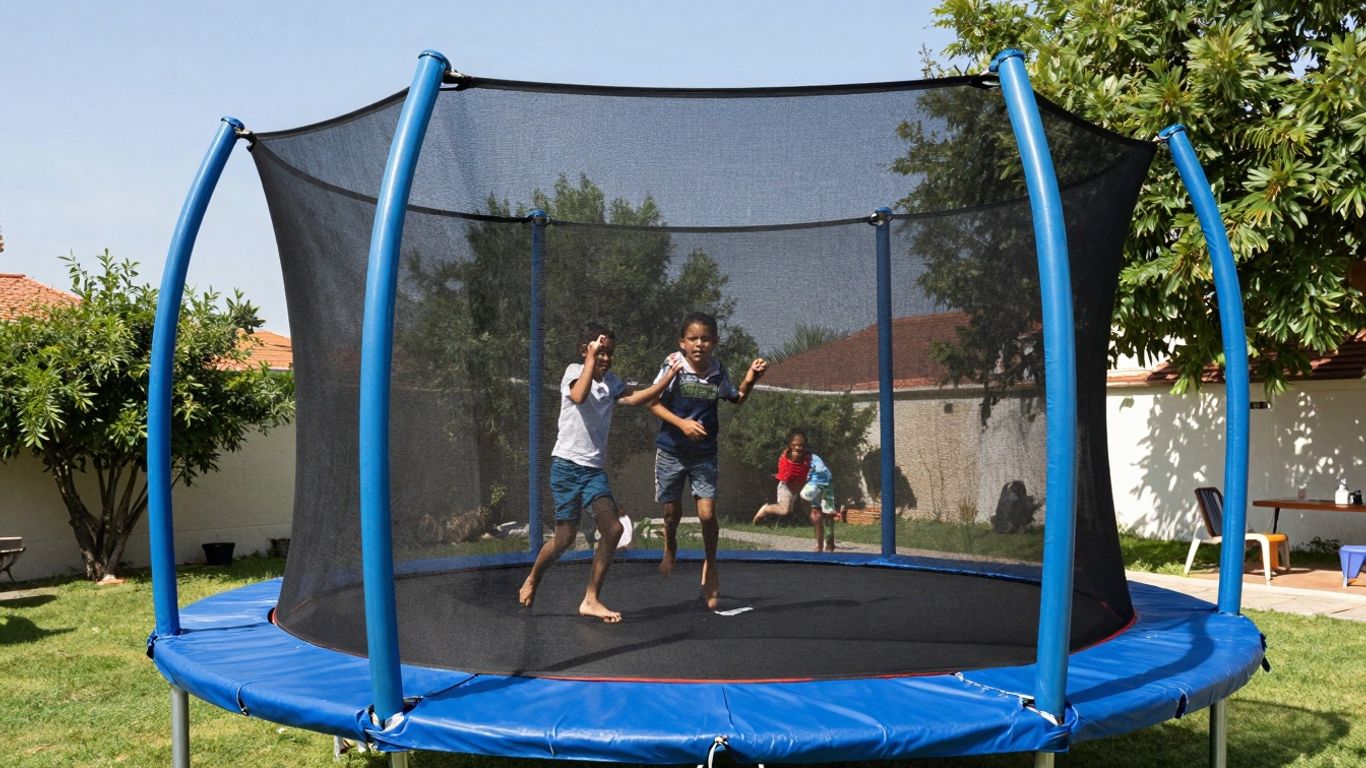
Putting together a 14ft trampoline can sometimes feel like a bit of a project, and honestly, it's not always as simple as the pictures make it look. The time and effort you invest in assembly can really impact your overall satisfaction with the purchase. Some models are definitely more straightforward than others, with clear, step-by-step instructions and well-labeled parts. Others? Well, they might leave you scratching your head, wondering if you've got the right piece or if you've somehow skipped a crucial step.
When you're unboxing, take a moment to lay out all the components. It helps to see everything you're working with. Most 14ft trampolines are a two-person job, so grab a friend or family member to help. It makes lining up the frame pieces and attaching the springs a whole lot easier and faster. Some brands even offer helpful apps with animated instructions, which can be a game-changer if diagrams aren't your strong suit.
Here’s a general idea of what to expect:
- Clear Instructions: Look for manuals with actual written steps alongside diagrams. Vague diagrams alone can be tough to follow.
- Labeled Parts: When every screw, bolt, and frame piece is clearly marked, it saves so much guesswork.
- Tools: Most trampolines come with basic tools, but having a power screwdriver on hand can speed things up considerably, especially for tightening lots of bolts.
- Time Commitment: Even with the easiest setups, plan for at least a couple of hours. More complex designs might take half a day or more.
Some trampolines are designed with user-friendliness in mind, featuring pre-attached parts or simpler connection systems. If you're not particularly handy or just want to get to the jumping part faster, looking into these models or even considering professional assembly services might be a good idea. It's a trade-off between saving a bit of money and saving your sanity.
Don't get discouraged if it takes a little longer than you thought. Patience is key, and sometimes, taking a short break can help you come back with fresh eyes to tackle any tricky parts. Once it's all put together, though, the reward of a backyard trampoline ready for fun is totally worth it.
Warranty Information
When you're looking at trampolines, don't forget to check out the warranty. It's a pretty big deal, honestly. Think of it as the manufacturer's promise that their product will hold up for a certain amount of time. Some warranties are super short, maybe just a year, while others can stretch out for a decade or even longer.
It's not just about the length, though. You've got to read the fine print. What exactly does it cover? Usually, the frame gets the longest coverage, which makes sense because it's the biggest part. But what about the mat, the springs, and the safety net? Those can wear out faster, and some warranties only cover them for a year or two. It's like buying a car – the engine might have a great warranty, but the tires might not.
Here's a general breakdown of what you might find:
- Frame: Often the longest coverage, sometimes 10 years or more. Some brands, like Avyna, even offer a lifetime warranty on the frame, which is pretty impressive.
- Mat and Springs: Typically shorter coverage, maybe 3-5 years. Jumpflex, for example, offers a 10-year warranty on the frame but doesn't specify the exact duration for springs and mats in their general information.
- Padding and Net: Usually the shortest coverage, often 1 year. This makes sense as these parts are more exposed to the elements and wear and tear.
Always take the time to read the specific warranty details for the trampoline you're considering. What's covered, for how long, and what the process is for making a claim can vary quite a bit between brands and even between different models from the same brand. Don't assume anything; check the documentation carefully before you buy.
The Jumpflex Hero 14ft trampoline, for instance, boasts a 10-year warranty on the frame, showing a commitment to durability. While specific details for other components might require a closer look at their product pages, a strong frame warranty is a good sign. Similarly, the Avyna Pro Line 14′ trampoline stands out with a lifetime warranty on its frame, coupled with 10 years for springs and three years for other parts. This kind of coverage suggests a product built to last, even if assembly might take a bit more effort.
Clearance Space Requirements
When you're setting up your 14ft trampoline, don't just think about the trampoline itself. You've got to give it some breathing room! Safety is the main reason for this. You need clear space all around it so jumpers don't accidentally hit trees, fences, or anything else when they're having a blast. Most experts suggest at least 3 to 5 feet of clear space on every side. This means that 14-foot diameter trampoline might actually need a spot in your yard that's closer to 20 to 24 feet across when you factor in all the safety zones.
Here’s a general idea of what you’re looking at:
- Trampoline Diameter: 14 feet (this is the main measurement of the jumping surface and frame).
- Recommended Clearance: 3 to 5 feet on all sides.
- Total Space Needed: Approximately 18 to 24 feet in diameter (this includes the trampoline and the safety clearance).
Think of it like this:
You wouldn't park a car with no room to open the doors, right? It's the same idea with a trampoline. You need enough space so that if someone bounces a little off-center, they have a safe landing zone and don't run into anything hard.
It's always better to have a little extra space than not enough. This is a big purchase, and you want to make sure it's set up safely for years of fun. For more tips on choosing the right size and space for your trampoline, check out this guide to trampoline sizes.
Don't forget to consider overhead clearance too. Make sure there are no low-hanging branches or wires above the trampoline area. This is especially important if you have kids who love to jump high!
Maintenance Tips
Keeping your 14ft trampoline in good shape means it'll last longer and stay safer for everyone. It's not super complicated, but a little regular attention goes a long way.
First off, cleaning is key. You'll want to sweep off leaves, twigs, and any other debris that lands on the jumping mat. A soft brush or a leaf blower works well for this. If things get really dirty, a damp cloth and some mild soap can do the trick, but make sure it's completely dry before anyone jumps.
Protecting your trampoline from the weather is probably the most important thing you can do. Most manufacturers suggest taking the jumping mat off during the winter months, especially if you get snow or heavy rain. This might sound like a pain, but it really helps prevent the mat from getting damaged or stretched out. You'll usually need the spring tool that comes with the trampoline to get the springs off. If taking the mat off isn't an option, a good quality, waterproof trampoline cover is a must. It keeps the worst of the elements off and stops leaves from piling up.
Here’s a quick checklist for keeping things tip-top:
- Regular Cleaning: Sweep the mat and frame often to remove debris. Wipe down with a damp cloth and mild soap if needed, then dry thoroughly.
- Weather Protection: Use a trampoline cover when not in use, especially during bad weather. Consider removing the jumping mat and storing it indoors during harsh winter months.
- Inspect Regularly: Periodically check the springs, frame, padding, and enclosure net for any signs of wear, rust, or damage. Look for loose bolts or frayed stitching.
- Spring Care: Make sure springs are free of rust and debris. If you notice any damage, replace them promptly.
- Anchor It: If you live in a windy area, consider using an anchor kit to keep the trampoline from blowing away.
Don't forget to check the trampoline's warranty details regarding weather damage. While most warranties don't cover damage from storms or extreme weather, taking preventative steps can help avoid issues and keep your trampoline safe for years to come.
Also, keep an eye on the padding. Make sure it's still securely in place and hasn't started to degrade from the sun. If the padding looks worn out or torn, it's time to think about replacing it to keep the springs covered and safe.
User Reviews
When you're looking to buy a trampoline, checking out what other people say is a really smart move. It’s like asking your neighbors if that new grill is worth the money before you buy it. Real feedback from folks who actually own and use the trampolines can tell you a lot more than just the specs on paper.
Most reviews we looked at for 14ft trampolines were pretty positive. People seem to really appreciate when a trampoline is built well and feels sturdy. A lot of parents mentioned how much their kids love it, which is probably the main reason most people buy one anyway. Some reviews even talked about how easy it was to put together, which is a big plus because, let's be honest, nobody wants to spend a whole weekend wrestling with metal poles and springs.
Here’s a quick rundown of what people are saying:
- Ease of Assembly: Many users found the setup process surprisingly straightforward, with some noting it took just a couple of hours with a friend. Clear instructions were frequently mentioned as a key factor.
- Build Quality: Customers often praised the robust construction and high-quality materials, highlighting that the trampolines felt solid and well-made.
- Customer Service: A few reviews specifically called out excellent customer support, especially when needing replacement parts, which is good to know for long-term ownership.
- Family Enjoyment: The overall sentiment is that these trampolines are a huge hit with kids and adults alike, providing hours of fun.
Of course, not every review is perfect. Sometimes people mention minor issues with shipping or specific parts, but generally, the feedback points towards satisfaction with the purchase. It’s always a good idea to look at reviews from different places, like the manufacturer's site and other shopping platforms, to get a well-rounded picture.
Reading reviews helps you see beyond the marketing. You get a sense of the real-world experience – how it holds up over time, how it handles different weather, and if it truly delivers on the fun factor promised. It’s about finding that sweet spot between price, quality, and user happiness.
Price Point
When you're looking at 14-foot trampolines, the price can really swing. You've got everything from budget-friendly options that get the job done for casual backyard fun, to the higher-end models that might cost you a pretty penny but offer a more premium experience. It's a big purchase, so figuring out what you can comfortably spend is a good first step.
Generally, you'll see a pretty wide range. Some of the more basic models might start around the $400-$600 mark. These are usually the ones that focus on safety and basic bouncing without all the fancy extras. Then, as you move up, you'll find trampolines in the $700-$1000 range, and sometimes even pushing past $1500 for the really top-tier ones. These pricier options often come with better materials, more robust frames, and sometimes even unique features.
Here's a rough idea of what you might expect:
- Budget-Friendly: Expect to spend between $400 and $600. These are great for families who want a solid trampoline for occasional use without a huge financial commitment. They'll meet safety standards but might have fewer springs or less robust padding.
- Mid-Range: Prices typically fall between $600 and $900. You'll likely get better build quality, more springs for a bouncier experience, and perhaps longer warranties.
- Premium: These can go from $900 upwards, sometimes reaching $1500 or more. They often feature heavy-duty frames, high-quality jumping mats, and superior spring systems, aiming for the best possible bounce and longest lifespan.
It's also worth checking for sales or looking at package deals, especially around holidays. Sometimes, you can snag a great trampoline for a bit less if you time it right.
Keep in mind that the cheapest option isn't always the best value in the long run. A slightly more expensive trampoline might last much longer and provide a better jumping experience, saving you money and hassle down the road.
Brand Reputation
When you're looking at trampolines, the brand behind it really matters. It's not just about the shiny new toy; it's about knowing you've got something built to last and backed by a company that cares. Some brands have been around for ages, building up a solid name for quality and customer service. Think of Acon, for example. They've been in the game for over 28 years, and people seem to trust them a lot for making tough, safe trampolines. They talk a lot about their safety features, how long their stuff lasts, and even how well it bounces. Plus, they mention having lots of happy customers and good reviews, which is always a good sign.
Other brands might focus on different things. JumpFlex, for instance, sometimes offers extended warranties, which can be a big deal if you plan on keeping your trampoline for a really long time. It's like an extra layer of peace of mind, though you do have to check the details carefully. It's not always straightforward, and sometimes those long warranties have fine print about weather damage.
It's wise to look into a brand's history and how they handle things if a problem pops up. A good reputation usually means they've put in the work to make a reliable product and stand behind it. Don't just go for the cheapest option; consider the brand's track record for durability and customer satisfaction. It can save you headaches down the road.
Here's a quick rundown of what some brands are known for:
- Acon: Known for durability, safety, and a premium bounce. They've been around a long time and have a strong customer base.
- JumpFlex: Sometimes offers longer warranty options, focusing on providing value over time.
- Sportspower Bounce Pro: Often seen as a more budget-friendly option, though it's good to check reviews for long-term performance.
- Zupapa: Frequently mentioned for good value and decent quality, often with a focus on safety features.
Jumping Mat Material
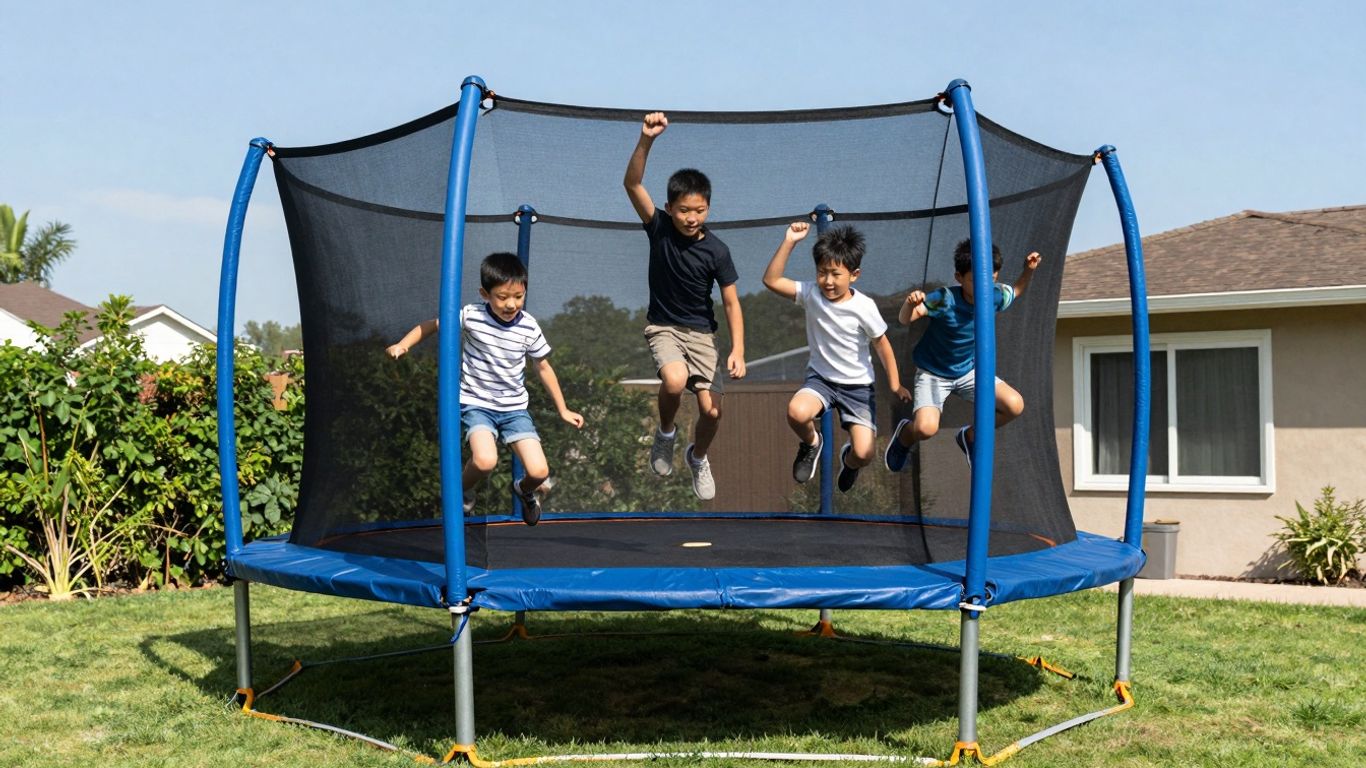
The jumping mat is where all the action happens, so its material really matters for both fun and safety. You'll typically find mats made from polypropylene, which is a pretty tough plastic. It's chosen because it can handle a lot of stretching and snapping back without giving out easily. A good mat should feel smooth underfoot and be able to withstand constant jumping.
When you're shopping, look for mats that are advertised as UV-resistant. This is super important because trampolines spend a lot of time out in the sun, and without UV protection, the material can get brittle and start to crack or tear. Nobody wants a ripped mat, right? Also, check out the stitching around the edges where the springs attach. You want to see multiple rows of strong, reinforced stitching. This is where a lot of the stress is concentrated, so good stitching means the mat is less likely to pull apart.
Here’s a quick breakdown of what to look for in a jumping mat:
- Material: High-quality polypropylene is common and durable.
- UV Resistance: Protects against sun damage, preventing brittleness and cracking.
- Stitching: Reinforced, multiple rows of stitching around the spring attachment points for added strength.
- Surface: Should be smooth and consistent for a comfortable jumping experience.
Some higher-end trampolines might use a different material, like Permatron, which is known for its strength and longevity. You might also see mats designed with special weaves to allow for better airflow, which can slightly change the bounce feel. For the Jumpflex HERO 14 ft Trampoline, for instance, the enclosure net is made from 100% high-strength polyester, which gives you an idea of the kind of durable materials used in these products.
The quality of the jumping mat directly impacts the bounce and how long the trampoline will last. A mat that's made from robust, UV-treated material with strong stitching will provide a better, safer jumping experience for years to come. It's worth paying attention to these details rather than just the overall size of the trampoline.
Springless Design Options
When you're shopping for a trampoline, you'll notice some models ditch the traditional metal springs altogether. These springless designs are a pretty big deal when it comes to safety, and they're becoming more popular. Instead of those coils, you'll often find flexible composite rods or bungee cords doing the work.
The main idea behind a springless trampoline is to eliminate pinch points and reduce the risk of injuries associated with metal springs. Think about it – no more worries about fingers or toes getting caught, and no more hard metal parts to bump into if you land awkwardly. This makes them a really attractive option, especially for families with younger kids or anyone who's a bit more cautious.
Here's a quick rundown of what you might see:
- Composite Rods: These are usually found under the jumping mat, running around the edge. They flex when you jump, storing and releasing energy to give you that bounce. The Springfree Jumbo Square Trampoline is a prime example of this design.
- Bungee Cords: Some trampolines use a system of elastic cords. These can offer a different feel to the bounce, sometimes described as softer or more controlled.
- Hidden Frame: Often, the frame itself is positioned below the jumping surface, meaning you can't even reach the rods or bungees from the mat.
While springless models are fantastic for safety, they can sometimes come with a higher price tag. The technology and materials used are often more advanced. Also, the bounce quality can feel a bit different compared to traditional spring trampolines. Some people love the smooth, consistent bounce, while others might miss the super-high, energetic rebound you can get from a trampoline with long, strong springs. It really comes down to personal preference and what you're looking for in your jumping experience.
Choosing a springless trampoline means you're prioritizing a specific type of safety feature. It's a trade-off that many families find well worth it for the peace of mind it provides during playtime.
Overall Footprint
When you're thinking about a 14-foot trampoline, it's not just about the 14 feet of diameter for the jumping surface itself. You've got to consider the whole picture, including any safety netting that wraps around the outside. Plus, and this is a big one, you absolutely need some clear space around the whole thing for safety. Nobody wants to bounce into a fence or a tree, right?
Most people suggest having at least 3 to 5 feet of clear space on every side. So, that 14-foot circle can actually end up needing a spot in your yard that's closer to 20 to 24 feet across when you factor everything in. It's like giving the trampoline room to breathe, and you room to jump safely.
Here’s a general idea of what you're looking at:
- Diameter: The main measurement is 14 feet.
- Jumping Area: The actual mat you jump on is usually around 122 to 130 square feet.
- Total Space Needed: With safety clearance, plan for a space that's roughly 18 to 24 feet in diameter.
It's easy to get excited about the size of the trampoline itself, but don't forget to measure your yard and think about the safety zone. A little extra space goes a long way in making sure everyone has a good time without any worries.
Ready to Jump?
So, you've looked through all the options for a 14ft trampoline. It's a pretty big decision, and we know that. We've talked about what makes a trampoline good, from the frame to the safety net, and how different ones might fit your family and yard. Just remember to measure your space, think about who's going to be jumping, and check out those warranties. Getting the right trampoline means years of fun and exercise, so take your time and pick the one that feels right. Happy bouncing!
Frequently Asked Questions
What's the best way to choose a 14ft trampoline?
To pick the best 14ft trampoline, think about who will use it and how. For family fun, safety features like a good net and thick padding are important. If you want to exercise, a trampoline with a strong, steady bounce is better. Also, make sure you have enough space in your yard for the trampoline and some extra room around it for safety.
How much weight can a 14ft trampoline hold?
The weight limit for a 14ft trampoline changes depending on the brand. Most can hold between 198 to 450 pounds for one person jumping at a time. Always check the manufacturer's suggested weight limit to ensure it's safe for everyone who plans to jump.
Are 14ft trampolines big enough for adults?
Yes, a 14ft trampoline is generally large enough for adults. It offers plenty of jumping space and can support adult weight as long as it's within the recommended limit. It's a good size for both kids and adults to have fun on.
How many springs does a 14ft trampoline usually have?
Most 14ft trampolines have around 96 springs. This number can be different depending on the specific design and brand of the trampoline. The quality and length of the springs also matter for the bounce.
What makes a trampoline safe?
Safety is really important! Look for trampolines with a strong frame, thick padding over the springs, and a secure safety net. A design that doesn't have gaps where fingers or toes could get stuck is also good. Some trampolines even have no springs for extra safety.
How should I take care of my 14ft trampoline?
To keep your trampoline in good shape, clean it often to remove dirt and leaves. If you live where the weather is tough, think about using a cover or storing it when you're not using it. Always check parts like the mat, springs, and frame for any signs of wear or damage and fix them quickly.


0 comments