










Looking to add a trampoline 14ft to your backyard? It's a great way to get everyone moving and entertained for ages. But with so many options out there, picking the right one can feel a bit tricky. We've checked out some of the top 14ft trampolines for 2025 to help you find the perfect fit for your family and yard. Let's jump into it!
Key Takeaways
- A 14ft trampoline offers a good balance, being large enough for older kids and adults but manageable for most backyards. Always check clearance space.
- When choosing, consider safety features like sturdy enclosures and thick padding, frame strength for durability, and the quality of the bounce.
- Durability is key for outdoor use. Look for weather-resistant materials, rust-proof frames, and UV-treated mats to ensure your trampoline lasts.
- Weight capacity varies by model, with some 14ft trampolines supporting up to 450 pounds for a single jumper. Check this for your family's needs.
- Assembly can be a project, so factor in the ease of setup and consider if you'll need help. Warranties also offer peace of mind for this investment.
1. Jumpflex Hero 14ft Trampoline
When you're looking for a solid all-around trampoline, the Jumpflex Hero 14ft often pops up, and for good reason. It really hits a sweet spot between offering a good bounce and having safety features that parents can appreciate. It's not the cheapest option out there, but it feels like you're getting something that's built to last.
One of the things that stands out is the bounce quality. The springs on this model are a bit longer than what you find on some other trampolines in a similar price range. This makes for a noticeably smoother and more energetic jump. It’s not quite trampoline park level, but it’s definitely a step up from those basic backyard models.
Safety is clearly a big deal for Jumpflex. The frame design is pretty robust, with steel struts connecting the different parts. This gives it more contact with the ground than some lighter trampolines, which just feels more stable. The netting is positioned well to keep jumpers away from the springs and poles, which is always a plus.
Here's a quick look at some specs:
- Frame Material: Heavy-duty, 2mm thick powder-coated steel
- Spring Length: 7.1 inches
- Padding Thickness: 15mm
- Weight Capacity: 198 pounds (single jumper)
Putting this trampoline together can be a bit of a project. While the company says it's designed for quicker assembly because there are no welds or bolts, our experience showed it can still take a good chunk of time, especially with a few people. It's definitely a two-person job, maybe even three, if you want to get it done without too much fuss.
The warranty situation is pretty good. You get a solid 10 years on the frame, and then a few years for the mat and springs. The padding and net have a shorter warranty, just one year, which is something to keep in mind. They do offer an option to pay extra for a lifetime warranty on the whole thing, which might be worth it if you plan on using it for a long, long time.
Overall, the Jumpflex Hero 14ft is a strong contender. It looks good, bounces well, and has safety features that give you peace of mind. Just be prepared for the assembly process and consider the warranty details for all the parts.
2. Springfree Jumbo Square Trampoline
When you're looking for a trampoline that really prioritizes safety, the Springfree Jumbo Square often comes up. It's a bit of a different beast compared to the traditional springy ones you might remember from your childhood. Instead of metal springs, this one uses flexible composite rods hidden beneath the jumping surface. This design is pretty clever because it gets rid of those common pinch points and places where fingers or toes could get caught. The whole idea is to eliminate the most frequent trampoline-related injuries.
This model is a bit of a square peg in a round hole, literally. Even though it's marketed as a 14ft trampoline, its square shape actually gives you more usable jumping space, feeling more like a 15ft round trampoline. That's a nice bonus if you've got multiple kids or just like a bit more room to move.
Here’s a quick look at what makes it stand out:
- Springless Design: Uses flexible rods instead of metal springs for safety.
- Durable Materials: Features a galvanized steel base with rust protection and strong composite rods.
- Hidden Frame: The frame is positioned below the jumping surface, so you can't hit it.
- Extended Warranty: Comes with a 10-year warranty on all parts.
- Customizable Colors: You can pick from seven different colors to match your backyard.
While the Springfree Jumbo Square is built with safety and longevity in mind, it comes with a higher price tag. Assembly can also be a bit tricky for some folks, though professional setup is an option if you'd rather not tackle it yourself. It's definitely an investment, but for families who put safety above all else, it's a strong contender.
It's not the cheapest option out there, costing around $2,799, but the build quality and the focus on safety are pretty impressive. If you're looking for something that's going to last and keep the kids safe, this is definitely one to consider.
3. Avyna Pro Line 14′ Trampoline
If you're looking for a trampoline that really lets you soar, the Avyna Pro Line 14′ might be your jam. Seriously, the bounce on this thing is something else. It feels like you get more air, and the whole jumping surface seems to work with you, not against you. It's got these 96 springs, each 8.5 inches long, which really makes a difference compared to others where the bounce can get a bit stiff if you're not right in the middle. It's like the whole mat is the sweet spot.
One thing that sets the Avyna apart is what it comes with. Unlike some other models where you have to buy extras, this one often includes a ladder and even an anchor kit right out of the box. That's pretty handy because those are things you'll definitely want.
| Feature | Avyna Pro Line 14′ |
|---|---|
| Frame Warranty | Lifetime (manufacturer defects) |
| Springs Warranty | 10 Years |
| Other Parts | 3 Years |
| Padding Thickness | 25 mm (10 mm thicker than some competitors) |
| Included | Ladder, Anchor Kit (often) |
Now, it's not all sunshine and rainbows. The biggest head-scratcher is that the springs and padding are located inside the safety net. While the padding is thick, it still feels a bit odd that you could potentially land on them. It meets safety standards, sure, but it's a design choice that makes you pause. Also, putting this thing together? It's a bit of a puzzle. The instructions are mostly diagrams, and they can be a little vague, especially when it comes to lining up frame pieces. It definitely took longer than we expected.
Despite the assembly quirks and the spring placement, the Avyna Pro Line 14′ really shines when it comes to the actual jumping experience and the strength of its warranty. The frame itself comes with a lifetime warranty, which is pretty rare and speaks to how confident they are in its build quality. The springs get a solid 10 years, and other parts are covered for three. It feels like a trampoline built to last, even if you have to wrestle with the instructions a bit to get it set up.
Overall, if a superior bounce and a top-notch warranty are your main priorities, and you're prepared for a potentially tricky assembly process, the Avyna Pro Line 14′ is a strong contender. It's definitely a step up in terms of pure jumping fun.
4. Sportspower Bounce Pro 14′ Trampoline
If you're looking for a trampoline that won't break the bank but still offers a decent jumping experience, the Sportspower Bounce Pro 14′ Trampoline is worth a look. It's definitely a budget-friendly option, and while it might not have all the bells and whistles of the pricier models, it still meets important safety standards. This trampoline is a solid choice for families who want casual fun without a huge investment.
When it comes to assembly, this one was surprisingly straightforward. I mean, putting together a trampoline is never exactly a walk in the park, but the instructions were clear, and we didn't have to backtrack or redo any steps, which was a relief. It took us about two hours, which felt pretty reasonable.
Here's a quick rundown of what you get:
- Safety Features: It meets the same ASTM safety requirements as more expensive trampolines, which is great. The springs are located outside the safety net, keeping jumpers away from them.
- Bounce Quality: This is where it's a bit different. It has fewer and shorter springs (72 springs, each 5.5 inches long) compared to other 14-foot models we tested. This means the bounce is noticeably less springy, especially if you're jumping near the edges. It feels a bit stiffer overall.
- Durability: The frame is made of steel, and it comes with a decent warranty. You get seven years for the frame, three for the mat, and one year for the whole trampoline. Just remember, the warranty doesn't usually cover damage from weather or rust, though they sometimes make exceptions.
While the Sportspower Bounce Pro 14′ Trampoline might not give you that super-high, trampoline-park-level bounce, it provides a safe and enjoyable jumping surface for everyday backyard fun. It's a practical pick for those prioritizing cost-effectiveness.
Key Specs:
| Feature | Specification |
|---|---|
| Size | 14 feet |
| Spring Count | 72 |
| Spring Length | 5.5 inches |
| Frame Warranty | 7 years |
| Mat Warranty | 3 years |
| Overall Warranty | 1 year |
5. Jumpzylla 14ft Trampoline
Alright, let's talk about the Jumpzylla 14ft Trampoline. This one often pops up when people are looking for a bigger trampoline without completely breaking the bank. It's designed to give you a good amount of jumping space, which is great for families.
The Jumpzylla 14ft Trampoline is a solid choice for budget-conscious families who still want a decent-sized trampoline. It comes with a few safety features, like a net and a padded cover over the springs, which is pretty standard for most trampolines these days. The frame is made of galvanized steel with a powder coating on the legs, which should help keep rust at bay for a while.
Here's a quick look at some specs:
- Weight Capacity: Up to 450 pounds for a single jumper. That's pretty high, meaning it can handle a good amount of weight.
- Frame: Galvanized steel with powder-coated legs.
- Safety Net: High-density material.
- Spring Cover: Thick padding.
- Color Options: You can even pick the color of the spring cover – black, blue, orange, or green.
While the Jumpzylla offers a good weight capacity and a lower price point, it's worth noting that some users have mentioned the net material might not hold up as long as on more expensive models. This could mean needing to replace it sooner. Also, the warranty is only for one year, which is shorter than what you might find on other trampolines in this size range.
Overall, if you're looking for an affordable way to get a 14-foot trampoline into your backyard and you're okay with potentially needing to replace parts down the line, the Jumpzylla could be a good fit. It's got a lot of positive feedback from users, with an average rating of 4.6 out of 5 stars based on over 800 reviews on Walmart's U.S. website. It's definitely a contender if price is a major factor in your decision. You can find more details about Jumpzylla 14-foot trampoline reviews to see what other buyers are saying.
6. Acon X 17ft Trampoline
While the focus of this guide is 14ft trampolines, it's worth mentioning the Acon X 17ft as a premium option if you have the space and budget. This isn't just a bigger trampoline; it's designed for a different level of backyard fun and fitness. The Acon X 17ft is built for serious bouncing and durability.
This model really stands out with its heavy-duty galvanized steel frame. It's built tough to handle a lot of use and resist rust, which is a big deal for something that lives outside all year round. The mat is made from UV-treated polypropylene, meaning it won't break down too quickly from sun exposure. Plus, Acon is known for its customizable options, allowing you to tailor the bounce and features to your liking.
Here's a quick look at what makes it different:
- Robust Frame: Heavy-duty galvanized steel for maximum stability and longevity.
- Durable Mat: UV-treated polypropylene that holds up against the elements.
- Customizable Bounce: Often features adjustable height and advanced spring systems for a tailored jumping experience.
- Enhanced Safety: Comes with a strong safety enclosure and thick padding.
The Acon X 17ft is a significant investment, but for families or individuals looking for a top-tier, long-lasting trampoline that can handle intense use and provide an exceptional bouncing experience, it's a strong contender. It's less about just casual bouncing and more about performance and durability.
When you're looking at trampolines this size, think about how much space you really have. A 17ft trampoline takes up a good chunk of yard, so measure carefully before you buy. Also, consider the weight capacity, as larger trampolines often support more weight, making them suitable for multiple jumpers or heavier users.
7. Acon 16 HD Trampoline
The Acon 16 HD Trampoline is a solid choice if you're looking for something a bit larger and built to last. It's a rectangular model, which some people prefer for a more consistent bounce across the entire surface. This trampoline is really designed with durability in mind, using a heavy-duty galvanized steel frame that should hold up well against the elements, meaning less worry about rust, even if it stays outside year-round. The jumping mat is made from polypropylene and is treated to resist UV damage, so it won't break down as quickly from sun exposure.
When it comes to safety, the Acon 16 HD doesn't skimp. It comes with a safety enclosure that has a strong net and thick foam padding around the edges. This setup is meant to keep jumpers secure and protected.
Here's a quick look at some of its features:
- Frame Material: Heavy-duty galvanized steel
- Mat Material: UV-treated polypropylene
- Safety Features: Robust enclosure net, thick foam padding
- Shape: Rectangular
This trampoline is built to handle a lot of use, making it a good option for families who plan on getting plenty of bouncing action out of it. The combination of strong materials and thoughtful safety additions makes it a reliable piece of backyard equipment.
If you're comparing different models, you'll find that Acon trampolines are generally known for their robust construction and ability to withstand various weather conditions. The 16 HD model fits right into that reputation, offering a good balance of size, safety, and longevity for your backyard fun.
8. Acon 13 HD Trampoline
If you're looking for a solid trampoline that doesn't take up your entire yard, the Acon 13 HD might be just the ticket. It's a bit smaller than some of the other 14-footers out there, but don't let that fool you. This thing is built tough, just like its bigger siblings in the Acon lineup.
It's designed to give you a great bounce without demanding a massive amount of space.
What makes the Acon 13 HD stand out is its focus on performance and durability, even in a slightly more compact size. It uses the same kind of heavy-duty galvanized steel for the frame as the larger models, which means it's going to hold up well against the weather and all that jumping. Plus, the jumping mat is made from UV-resistant material, so it won't get all brittle and faded after a couple of summers.
Here’s a quick look at what you get:
- Frame: Heavy-duty galvanized steel for maximum stability and rust resistance.
- Mat: UV-treated polypropylene, built to last through sunny days.
- Safety Net: A sturdy enclosure to keep jumpers safely on the mat.
- Padding: Thick foam padding over the springs for an extra layer of protection.
This trampoline is a good choice if you want that Acon quality and bounce but have slightly less room to work with. It’s not just for kids, either; adults can get a good workout or just enjoy some fun bouncing.
While it's a 13-foot model, it still offers a substantial jumping area that feels generous for its size. You get a consistent and responsive bounce, making it suitable for a range of activities from casual play to more energetic bouncing.
9. Zupapa Saffun Trampoline
The Zupapa Saffun 14ft trampoline is a pretty solid option if you're looking for something that won't break the bank but still offers a good jumping experience. It's often recommended for its straightforward setup and how well it holds up over time. This trampoline comes with a generous weight capacity of 425lbs, which is great for families with multiple kids or even adults who want to join in on the fun.
When it comes to what you get in the box, Zupapa doesn't skimp. You'll usually find a bunch of useful extras included, like a ladder to help you get on and off, an anchor kit to keep it from blowing away in strong winds, and a protective cover for when it's not in use. They even throw in some gloves to help with assembly, which is a nice touch. It's these little things that make you feel like you're getting good value.
Here's a quick look at some of its features:
- Weight Capacity: Up to 425 lbs
- Spring Count: Typically around 96 springs
- Included Accessories: Ladder, anchor kit, cover, assembly gloves
- Safety: Comes with a safety enclosure net
One thing to keep in mind, though, is that while the Zupapa Saffun is built to last, extreme weather can still be a challenge. Some users have reported issues after severe storms, and getting in touch with customer service for replacements or help wasn't always easy. The company mentioned that this specific model has been discontinued and replaced with a heavier version, and they stand by their 10-year warranty, even for weather-related damage, which is good to know. It's always a smart move to take precautions, like using a trampoline cover or even removing the mat during harsh weather, to make sure your trampoline lasts as long as possible. You can find replacement parts and accessories for many trampoline models, including those from Zupapa, to keep your trampoline in good shape.
Taking care of your trampoline is key to making it last. Even with a good warranty, protecting it from the elements, like heavy rain or strong winds, can prevent a lot of headaches down the road. Using a cover or storing parts of it during bad weather can really extend its life.
10. Trampoline Selection Criteria
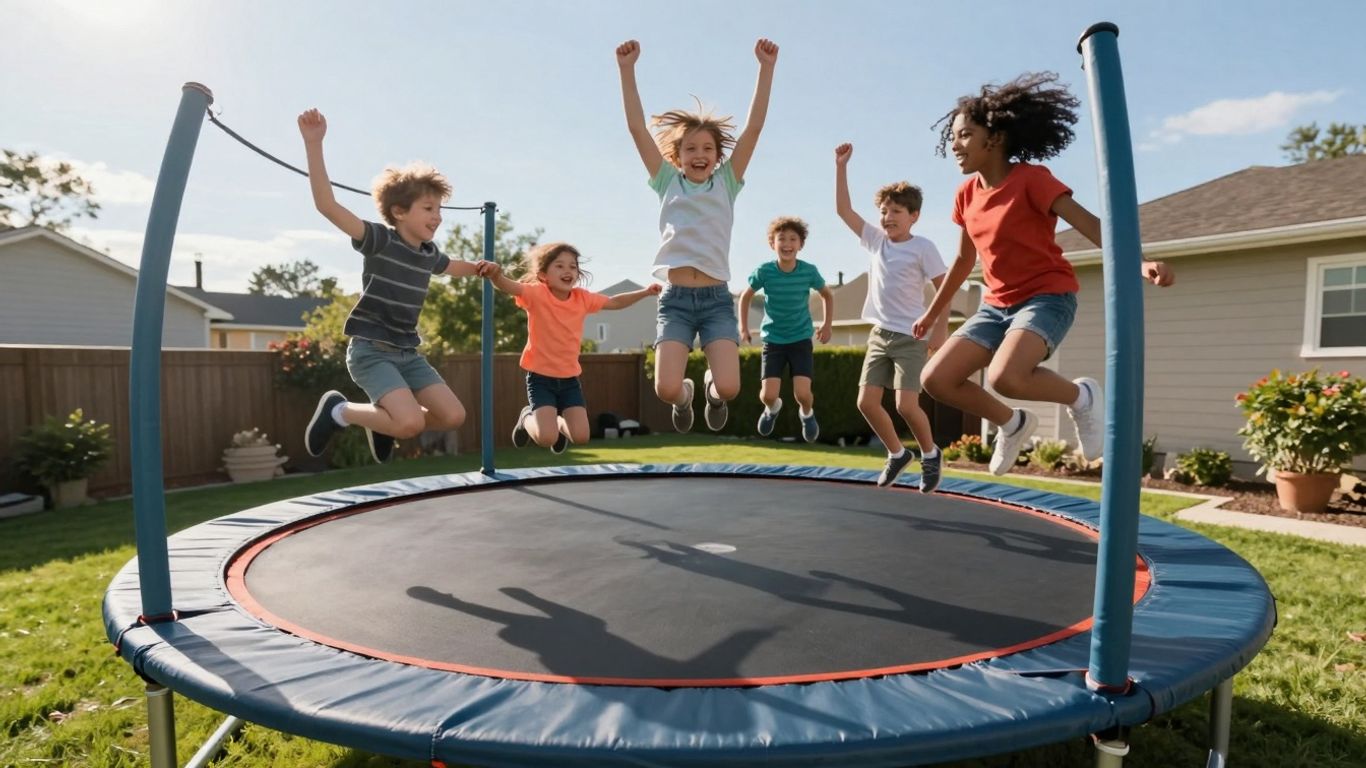
Alright, so you're looking to snag a 14ft trampoline, huh? That's awesome! But before you just grab the first shiny one you see, let's talk about what really matters. Picking the right one isn't just about how high you can jump; it's about making sure it's a good fit for your yard, your budget, and most importantly, your family's safety.
The best trampoline for you will balance safety, durability, and bounce quality.
Here's a breakdown of what to look for:
- Frame Strength: This is the backbone, folks. You want a heavy-duty steel frame, preferably galvanized and rust-resistant. Think about it – this thing's gonna be outside through rain, sun, and maybe even snow. A solid frame means it'll last way longer and feel stable, no wobbles allowed.
- Bounce Quality: This comes down to the springs (or lack thereof, in some cases). Longer springs usually mean a smoother, more energetic bounce. If you've got kids who want to practice flips or you're looking for a good workout, this is key. Some newer models use rods or bungees instead of springs, which can be a safer bet for preventing pinched fingers.
- Mat and Padding: The jumping mat needs to be tough and UV-resistant so it doesn't break down in the sun. Look for reinforced stitching around the edges – that means it's built to last. And don't forget the padding over the springs or frame; it needs to be thick and securely attached to prevent nasty falls.
- Safety Features: This is non-negotiable. A good safety enclosure net is a must, and it should fit snugly with no gaps between the mat and the net. Some trampolines are designed so the net is inside the jumping area, which is a nice touch.
When you're comparing models, don't just glance at the specs. Think about how it'll actually be used. Is it for little kids just starting out, or older kids and adults who want to get serious with tricks? The intended use really shapes what features are most important.
Here's a quick look at some key specs to compare:
| Feature | What to Look For | Why It Matters |
|---|---|---|
| Frame Material | Thick, galvanized steel; rust-resistant coating | Durability, stability, longevity |
| Spring Length | 6-7 inches or longer (for good bounce) | Better bounce, more responsive |
| Mat Material | UV-resistant polypropylene or permatron; reinforced stitching | Prevents sun damage, tearing, and stretching |
| Padding Thickness | At least 1 inch thick; securely attached | Protects against impact and falls |
| Enclosure Net | High-quality mesh; no gaps to the mat | Prevents jumpers from falling off |
| Weight Capacity | Check manufacturer specs; aim higher than heaviest user | Safety, prevents frame stress |
11. Safety Features
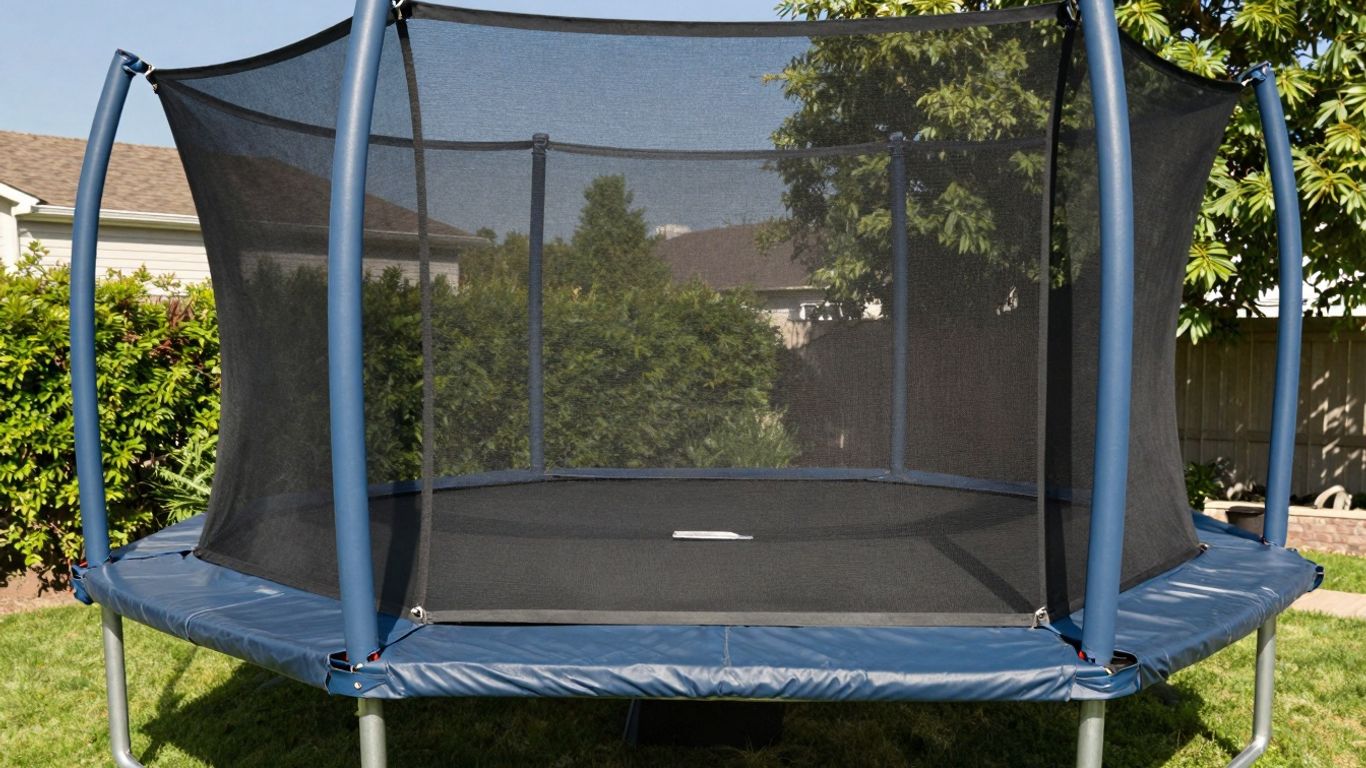
When you're picking out a trampoline, especially a 14-foot one, safety really needs to be front and center. It's not just about having fun; it's about making sure everyone stays safe while they're bouncing around. Think of it like this: a trampoline is basically a big springy toy, and with any toy, you want to know it's built with safety in mind.
The best trampolines come with built-in safety features that help prevent common injuries.
Here are some things to look for:
- Enclosure Net: This is a big one. A good net should completely surround the jumping area, and there shouldn't be any gaps between the mat and the net. This stops people from accidentally falling off. Some nets are designed to tuck inside the springs, which is a smart way to keep fingers and toes from getting caught.
- Padding: You'll want thick padding that covers all the springs and the metal frame. This padding should be tough and able to handle the weather. It's there to cushion any accidental bumps.
- Frame Design: Look for trampolines with curved enclosure poles. These poles usually arch away from the jumping space, so if someone does bump into them, it's less likely to be a hard impact.
- Secure Entry: How do you get in and out? A zipper or a secure clip system for the net opening is a good sign. It means the net stays closed when it's supposed to.
- Anchor Kit: Especially if you live in a windy area, an anchor kit is a smart addition. It helps keep the trampoline from tipping over or moving around.
Some people think that just because a trampoline has a safety net, it's completely safe. But it's still a good idea to have rules, like only one person jumping at a time and always having an adult watch. Safety features are great, but common sense goes a long way too.
Some trampolines even have extra padding around the poles and frame, which is a nice touch for added peace of mind. When you're comparing models, don't just look at the price; check out what safety features are included. It can make a big difference in how worry-free the bouncing fun will be.
12. Frame Strength
When you're looking at trampolines, the frame is basically the skeleton that holds everything together. You want something sturdy, something that won't wobble or bend after a few good jumps. A strong frame is the foundation for safe and enjoyable bouncing.
Most decent 14ft trampolines will use galvanized steel for their frames. This means the steel has a protective zinc coating to stop it from rusting, which is super important if your trampoline is going to live outside year-round. You'll often see terms like 'heavy-duty' or specific steel gauge numbers. Generally, thicker steel (lower gauge number) means a stronger frame. For a 14ft model, you're looking for frames that feel solid and don't flex too much, even with a couple of people jumping.
Here's a quick rundown of what to look for:
- Material: Galvanized steel is the standard for good reason. It resists rust and corrosion.
- Thickness: Look for thicker steel tubing. While specific gauges can be hard to find, a frame that feels substantial is a good sign.
- Construction: Check how the frame pieces connect. Welded joints are usually stronger than those held together by bolts alone, though good quality bolts can also work well.
- Legs: The number and design of the legs matter too. More legs generally mean more stability. Some have U-shaped legs, which spread the weight out nicely.
A trampoline frame isn't just about holding up the mat; it's about providing a stable platform that can handle the forces of jumping. A weak frame can lead to instability, which is a major safety concern. It might not seem as exciting as the bounce itself, but it's arguably the most critical component for longevity and safety.
Some cheaper models might use thinner metal or have fewer support legs. This can make them feel less stable and might mean they don't last as long, especially if they're exposed to the elements. You might notice this difference in how the trampoline feels when someone jumps – a really solid frame just feels more secure.
13. Bounce Quality
When you're thinking about a trampoline, the bounce is kind of the whole point, right? It's not just about how high you can go, but how the jump feels. A good bounce is responsive, springy, and just plain fun. It's the difference between a sluggish thud and a joyful leap.
The quality of the springs and the mat are the real stars of the show when it comes to bounce. You can have the biggest trampoline in the world, but if the springs are weak or the mat doesn't have enough give, the jumping experience will be pretty disappointing. It's like having a sports car with flat tires – looks the part, but doesn't perform.
Here's what really makes a difference:
- Spring Length and Gauge: Longer, thicker springs generally provide a more powerful and satisfying bounce. They have more give and can propel you higher. Think of it like a rubber band – a thicker, longer one can stretch further and snap back with more force.
- Spring Count: More springs usually mean a more even distribution of weight and a more consistent bounce across the entire mat. Fewer springs can lead to dead spots or a stiffer feel, especially near the edges.
- Mat Material: The material of the jumping surface itself plays a role. It needs to be strong enough to handle repeated stress but also flexible enough to contribute to the rebound.
- Frame Design: How the springs attach to the frame and the overall sturdiness of the frame can also impact how energy is transferred during a jump. A solid frame means less wasted energy.
It's easy to get caught up in the size of a trampoline, but don't let that distract you from what truly matters for a great jump. A trampoline that feels lively and energetic underfoot, even if it's not the absolute largest, will likely provide more enjoyment and last longer in terms of fun factor. Sometimes, a slightly smaller trampoline with top-notch springs and matting is a much better deal than a massive one with mediocre components.
When comparing models, look for details about the springs – their length, material (usually galvanized steel), and how many there are. Also, check reviews that specifically mention the bounce quality. Does it feel 'dead' or 'lively'? Does it send you soaring or just give you a gentle lift? These details can tell you a lot about the trampoline's performance.
14. Padding and Mat
When you're looking at trampolines, don't forget to check out the padding and the mat itself. These are the parts your kids will actually be in contact with, so they need to be tough and safe.
The padding is your first line of defense against bumps and bruises. It should be thick enough to completely cover the springs and the edges of the frame. You want padding that's made from weather-resistant material, so it doesn't break down after a season or two in the sun. Some trampolines have padding that wraps all the way around, which is great. Others might just have a thin layer, and that's usually not enough. It's worth checking if the padding is securely attached, too – you don't want it shifting around when someone lands on it.
As for the jumping mat, it needs to be really strong. Look for mats made from high-quality polypropylene or a similar tough fabric. It should be UV-resistant so it doesn't get brittle and tear easily. The stitching around the edges is also important; multiple rows of reinforced stitching mean it's less likely to rip. A smooth, even surface is best. Some mats have special features, like extra airflow, but for most families, a durable, well-made mat is the main thing.
Here's a quick rundown of what to look for:
- Padding Thickness: Aim for at least a couple of inches of dense foam. It should fully encase the springs and frame.
- Material Durability: Both padding and mat should withstand sun, rain, and constant use without degrading quickly.
- Mat Construction: Look for reinforced stitching, especially around the V-rings where the springs attach.
- UV Protection: This is key for preventing the mat and padding from becoming brittle and cracking over time.
The quality of the mat and padding directly impacts both safety and how long the trampoline will last. A flimsy mat or thin padding might save you a few bucks upfront, but it could lead to injuries or the need for early replacement. It's a part of the trampoline that really shouldn't be skimped on.
Some trampolines might have a mat and netting that are separate pieces. This can sometimes leave gaps where little hands or feet could get caught, or where someone might land on the springs. It's generally safer when the mat and the enclosure net are integrated or overlap significantly to prevent these kinds of issues.
15. Long-Term Value
When you're looking at a 14ft trampoline, it's easy to get caught up in the immediate fun factor. But let's talk about the stuff that matters down the road: long-term value. This isn't just about buying a toy; it's an investment in years of backyard enjoyment. A well-chosen trampoline should last your family for a good long while.
Think about it like buying a car. You could go for the cheapest option, but it might break down sooner, need more repairs, and just not perform as well over time. The same goes for trampolines. Cheaper models often use thinner materials, have less robust frames, and might not hold up to consistent use or different weather conditions. This means you could end up replacing parts or the whole thing much sooner than you'd like.
Here’s what to consider for a trampoline that keeps on giving:
- Build Quality: Look for sturdy frames, often galvanized or powder-coated to resist rust. The mat and springs should be made from durable materials designed for outdoor use.
- Warranty: A longer warranty, especially on the frame and mat, is a good indicator of the manufacturer's confidence in their product's longevity. Some brands even offer extended or lifetime warranties, which can be a huge plus.
- Weather Resistance: Materials treated to withstand UV rays and moisture will prevent premature wear and tear. This is key for keeping your trampoline looking and functioning well, season after season. Check out options with good weather protection.
Investing a bit more upfront for a trampoline built with quality materials and a solid warranty often saves you money and hassle in the long run. It means more reliable fun and less worry about breakdowns.
For example, some trampolines might have a 10-year warranty on the frame, while others might only offer two or three. That's a big difference! Similarly, a trampoline with a higher weight capacity might suggest stronger construction, which usually translates to better durability. It’s about finding that sweet spot between initial cost and how many years of reliable bouncing you can expect.
16. Weight Capacity
When you're looking at trampolines, one of the first things you'll want to check is how much weight it can actually hold. This isn't just about how many people can jump at once, but also about the overall sturdiness and safety of the trampoline.
Most standard 14-foot trampolines are designed to handle a weight limit somewhere between 200 and 400 pounds. Some heavy-duty models might even go up to 600 pounds, but that's less common for the typical backyard setup. It's super important to know the specific weight limit for any trampoline you're considering.
Here's a quick rundown of what to expect:
- Single Jumper Weight Limit: This is the maximum weight for one person jumping at a time. It's a key safety metric.
- Total Weight Capacity: Some manufacturers list a total weight the trampoline can support, though the single jumper limit is usually more critical for preventing accidents.
- Frame and Spring Strength: The materials used in the frame and the number/strength of the springs directly influence how much weight can be safely supported.
It's a good idea to think about who will be using the trampoline. If it's mostly younger kids, a lower weight capacity might be fine. But if teenagers or adults will be jumping, you'll definitely want to aim for a higher limit.
Always check the manufacturer's specifications for the exact weight capacity. Exceeding this limit can not only damage the trampoline but also create a serious safety hazard for anyone using it. It's better to be safe than sorry when it comes to bouncing fun.
For example, some models might have a single jumper limit of around 198 pounds, which is on the lower side for a 14-foot trampoline. Others, like some of the higher-end springless models, might have limits closer to 300 or even 350 pounds. It really does vary quite a bit from one brand and model to another.
17. Types of Outdoor Trampolines
When you're looking to buy a trampoline for your backyard, the first thing to figure out is what kind you actually need. Outdoor trampolines are the classic choice, the ones you probably grew up with. They're built tough with materials that can handle the weather, and most come with safety nets to keep jumpers from flying off. The shape really matters, though, because each one has its own feel and is better suited for different uses and yard sizes.
Here's a quick rundown of the common shapes:
- Round: These are super popular. The bounce on a round trampoline naturally pulls you back to the center, which is great for casual bouncing and makes it feel a bit safer for general family fun. It's a good all-around choice.
- Rectangular: If you're looking for a more powerful and consistent bounce, rectangular trampolines are the way to go. They're often favored by gymnasts or older kids who want to practice tricks because the bounce is more predictable across the entire surface.
- Square: Think of a square trampoline as a mix between a round and a rectangular one. It offers a bit more structured bounce than a round model but might not give quite the same intense rebound as a pure rectangle. They look pretty neat in a yard, too.
- Oval: These are less common but offer a larger jumping area than a round trampoline of the same width. They can be a good compromise if you have a narrower yard but still want plenty of space to jump.
The biggest difference between these shapes often comes down to the bounce. Round ones are forgiving and keep you centered, while rectangular and square ones give you a more athletic, powerful rebound. It really depends on what you plan to do on the trampoline.
When picking, think about who will be jumping and what they'll be doing. For little kids just having fun, a round one is usually perfect. If you have aspiring gymnasts or teens who want to get some serious air, a rectangular or square model might be a better fit. And don't forget to measure your yard – some shapes just fit better in certain spaces!
18. Weather Resistance
When you're picking out a trampoline, you really want to think about how it's going to hold up against the elements. Nobody wants their new backyard toy to fall apart after the first big storm or a hot summer.
Most trampolines aren't built to stay outside year-round without some care. You'll often find that manufacturers recommend taking the jumping mat off during the colder, wetter months. This is a bit of a chore, usually involving a spring tool, but it can really help prevent damage. A good cover is also a smart buy to keep leaves, twigs, and other junk from piling up on the mat. It’s a pain, but it’s better than dealing with a ripped mat later.
Some trampolines are made with materials that can handle more sun and rain than others. Look for frames that are galvanized and powder-coated to fight off rust. The jumping mat itself should be UV-resistant, usually made from strong polypropylene, so it doesn't get brittle and crack when the sun beats down on it. The enclosure net and padding should also be treated to resist sun damage.
While some companies might make exceptions, don't expect a warranty to cover damage from things like heavy winds, snow, or even just regular sun exposure. It's up to you to protect your investment.
Here's a quick rundown of what to look for:
- Frame Material: Galvanized steel is best for resisting rust and corrosion. Powder coating adds another layer of protection.
- Mat and Padding: UV-resistant polypropylene or similar materials for the mat. Padding should also be treated to withstand sun damage.
- Enclosure Net: Look for nets made from durable, UV-treated materials that won't degrade quickly in sunlight.
- Covers and Anchors: While not always included, covers protect the mat, and anchor kits can help keep the trampoline from blowing away in strong winds. You can find anchor kits for added security.
Some trampolines, like certain Springfree models, are advertised as being usable year-round, even in winter. This is a big plus if you don't want the hassle of taking things apart and putting them back together seasonally. But for most, a little extra effort to protect them from harsh weather will go a long way in making them last.
19. Ease of Assembly
Let's be real, nobody wants to spend their entire weekend wrestling with a giant metal contraption. When it comes to putting together a 14ft trampoline, the ease of assembly can make or break your excitement. Some models are designed with user-friendliness in mind, featuring clear instructions and maybe even pre-attached parts. Others? Well, they can feel like you're trying to solve a Rubik's Cube blindfolded.
The best trampolines often strike a balance between sturdy construction and straightforward setup.
Here's what to look for:
- Clear Instructions: Are they step-by-step with diagrams that actually make sense? Some manuals are just a series of confusing pictures.
- Labeled Parts: Having everything clearly marked saves a ton of time and frustration. No more guessing which bolt goes where.
- Minimal Tools Required: Ideally, you won't need a whole workshop. Many good trampolines come with the basic tools needed, though sometimes a power screwdriver can be a lifesaver.
- Two-Person Job: Most 14ft trampolines are big. Expecting one person to manage it all is usually unrealistic. Check reviews to see if people mention needing extra hands.
Some brands even offer professional assembly services, which might be worth considering if you're not the most DIY-inclined person. It's a trade-off between saving money and saving your sanity. For instance, the Jumpflex Hero 14ft Trampoline is often noted for its relatively quick setup process, though even the easiest ones can still take a couple of hours.
Putting together a trampoline can sometimes feel like a puzzle. You might find yourself scratching your head, wondering if you've got the right piece or if you've somehow skipped a step. It's always a good idea to clear a large space, lay out all the parts, and maybe even have a friend over to help. Patience is key, and sometimes, a quick break can help you see things more clearly.
When comparing models, don't just look at the price tag. Think about the time and effort you'll invest in getting it set up. A slightly more expensive trampoline that's a breeze to assemble might be a better deal in the long run than a cheaper one that leaves you feeling defeated.
20. Warranty
When you're looking at trampolines, don't forget to check out the warranty. It's a pretty big deal, honestly. Think of it as the manufacturer's promise that their product will hold up for a certain amount of time. Some warranties are super short, maybe just a year, while others can stretch out for a decade or even longer.
It's not just about the length, though. You've got to read the fine print. What exactly does it cover? Usually, the frame gets the longest coverage, which makes sense because it's the biggest part. But what about the mat, the springs, and the safety net? Those can wear out faster, and some warranties only cover them for a year or two. It's like buying a car – the engine might have a great warranty, but the tires might not.
Here's a quick look at how warranties can break down:
- Frame: Often the longest coverage, sometimes 10 years or more.
- Mat and Springs: Typically shorter, maybe 3-5 years.
- Padding and Net: Usually the shortest, often 1 year.
Some companies, like JumpFlex, even offer a lifetime warranty, but you usually have to pay extra for it. It's a bit of a gamble, but if you plan on keeping the trampoline for a really long time, it might be worth the extra cost. Just remember, even with a good warranty, you still need to take care of the trampoline. Things like extreme weather can sometimes void the warranty, so it's good to know about weather resistance too.
Always compare the warranty details side-by-side with the price. A cheaper trampoline with a weak warranty might end up costing you more in the long run if parts need replacing sooner than you'd expect. It's a balance between upfront cost and long-term peace of mind.
21. Aesthetics
When you're picking out a trampoline, it's not just about how high you can jump or how tough the frame is. Let's be real, you want something that looks good in your backyard too. Nobody wants a giant, clunky eyesore taking up space.
Most 14ft trampolines come in pretty standard designs, usually with a black mat and a blue or green safety pad. It's a classic look, sure, but sometimes you want a bit more. Some brands are starting to offer different color options for the pads, which can really make a difference if you're trying to match your outdoor decor or just want something a little more unique. Think about a sleek grey pad or even a bolder color if that's your style.
Here's a quick look at how some popular models tend to present themselves:
- Jumpflex Hero 14ft: Often features a clean, modern look with a focus on sturdy construction that doesn't scream 'cheap plastic'.
- Springfree Jumbo Square: Its unique design without visible springs already gives it a more streamlined appearance. The all-black mat and grey pads are pretty sharp.
- Acon Models (X, HD series): These tend to have a more robust, almost professional look. The thicker frames and often darker color schemes give them a solid, high-quality feel.
The overall visual impact of a trampoline can really tie your backyard together. While functionality is key, don't underestimate how a well-designed trampoline can boost your outdoor space's appeal. It's the difference between just having a trampoline and having a stylish backyard feature.
Ultimately, aesthetics are subjective. What one person finds attractive, another might not. But paying attention to the design, the color choices, and the overall build quality can help you find a trampoline that you're happy to have on display.
22. Accessories
So, you've picked out your awesome 14ft trampoline, but don't stop there! There's a whole world of accessories that can make your trampoline experience even better, safer, and more fun. Think of these as the cherry on top, or maybe the extra bounce in your step.
First off, let's talk about getting on and off. A good ladder is a must-have, especially for younger kids or if your trampoline sits a bit higher off the ground. It just makes life easier and safer than trying to scramble up. Some trampolines even come with one included, which is a nice bonus.
Then there are the fun extras. Ever thought about adding a basketball hoop? It turns your trampoline into a mini sports arena! Or maybe a soccer goal panel for some backyard practice. These kinds of additions can really extend the playtime and get the whole family involved. For the fitness buffs out there, resistance bands can be attached for a unique workout. You can really get creative with how you use your trampoline.
Safety accessories are also super important. An anchor kit is a smart buy, especially if you live in an area prone to strong winds. It helps keep the trampoline from shifting or tipping over. Some brands also offer extra padding for the frame or enclosure poles, which is always a good idea for added peace of mind. You can find a Jumpzylla 14ft Trampoline that comes with a good safety net and padding right out of the box, but adding more never hurts.
Here's a quick rundown of popular accessories:
- Ladders: For easy and safe entry/exit.
- Basketball Hoops: Turn your trampoline into a sports zone.
- Anchor Kits: Secure your trampoline against wind.
- Resistance Bands: Add a fitness element to your jumps.
- Weather Covers: Protect your trampoline when not in use.
Don't forget about maintenance accessories too. Things like a cover can keep leaves, twigs, and other debris off the mat, saving you cleanup time. Some people even remove the mat during harsh weather months, and having the right tools makes that job much easier. A good cover is a simple way to protect your investment.
When you're looking at accessories, make sure they're compatible with your specific trampoline model. Not all accessories fit all trampolines, so double-check before you buy. It’s all about making your trampoline the best it can be for years of enjoyment.
23. How Much Weight Can a 14 Ft Trampoline Hold?
When you're looking at a 14-foot trampoline, one of the biggest questions is how much weight it can actually handle. It's not just about how many people can fit on it, but how much weight the whole thing is designed to support safely. This is usually listed as a 'weight capacity' or 'weight limit' by the manufacturer.
Different trampolines have different limits, and it really depends on the build quality, the frame, and the springs (or rods, if it's a springless model). Generally, you'll see a range for these larger trampolines.
Here's a typical breakdown you might find:
- Standard Models: Often have a weight limit between 200 to 300 pounds. This is usually for a single jumper.
- Heavy-Duty Models: Some sturdier trampolines can go up to 400 pounds or even more for a single user.
- Multiple Jumpers: While manufacturers strongly advise against it, if multiple people were to jump (which is a big safety no-no), the combined weight would need to be well within the total capacity, and even then, it's risky.
It's super important to check the specific model you're interested in. Don't just guess or assume. The manual or product description will tell you the exact weight limit. Exceeding this limit can put a lot of stress on the frame and springs, potentially leading to damage or, worse, an accident.
Always remember that the weight capacity is usually for a single jumper. Trying to have multiple people jump at once, even if their combined weight is under the limit, significantly increases the risk of injury due to unpredictable bounces and potential collisions. It's best practice to stick to the one-jumper-at-a-time rule for maximum safety.
24. How Many Springs Are on a 14 Ft Trampoline?
When you're looking at a 14-foot trampoline, one of the things that might catch your eye is the number of springs. It's not just a random number; it actually plays a role in how the trampoline feels when you jump.
Most standard 14-foot trampolines tend to have around 96 springs. This number can vary a bit depending on the specific brand and model, of course. Think of it like this: more springs, when designed well, can mean a more consistent and responsive bounce. It's all about how they're spaced and how strong they are.
Here's a quick look at what influences the spring count and performance:
- Spring Count: Generally, around 96 springs is common for a 14ft model.
- Spring Length and Coil: Longer, tightly coiled springs often give a better bounce. You'll see recommendations for 6-7 inch springs or longer, especially if adults will be using it.
- Springless Designs: Some trampolines ditch traditional springs altogether, using rods or bungees instead. These are designed to reduce common spring-related injuries.
The number of springs isn't the only factor determining bounce quality. The quality of the springs themselves, their length, and how they're attached to the frame and mat all contribute to the overall jumping experience. It's a system, not just a count.
So, while 96 is a good ballpark figure for a 14-foot trampoline, it's worth checking the specs if you're really focused on the bounce. And remember, if safety is your top concern, you might even consider a springless model.
25. How Big Is a 14 Ft Trampoline? and more
So, you're eyeing a 14-foot trampoline. That's a pretty solid size for most backyards, offering a good balance between jumping space and not completely taking over your lawn. Most 14-foot trampolines have a jumping surface area that works out to be around 122 to 130 square feet. Think about that – it's a decent chunk of space for bouncing around.
When you're looking at a 14-foot model, it's not just about the diameter. You've got to consider the whole setup, including the safety net enclosure if it has one. That adds a bit more to the overall footprint. Plus, you really need some clear space around it for safety. Most folks recommend at least 3 to 5 feet of clearance on all sides. So, that 14-foot diameter might actually need a spot in your yard that's closer to 20-24 feet across when all is said and done.
Here's a quick rundown of what you're generally looking at:
- Diameter: 14 feet (this is the main measurement)
- Jumping Area: Roughly 122-130 sq ft
- Total Footprint (with clearance): Around 18-24 feet in diameter
It's a popular size for a reason. It's big enough for older kids and even adults to get some good air, but it's not so massive that it only fits in a mansion's backyard. It's often considered the sweet spot for families who want room to grow.
Remember, just because it's 14 feet across doesn't mean you should have a bunch of people jumping at once. Safety first, always. Stick to one jumper at a time to avoid any nasty collisions or injuries. It might look like there's tons of room, but physics can be a real buzzkill when multiple people are bouncing.
And what about how many people can fit? While you might see 5 or 6 kids squeezed onto one in a picture, it's really not recommended. For safety, it's best to stick to the 'one jumper at a time' rule. This keeps things predictable and way less risky.
Wrapping It Up
So, you've made it through our guide to picking out the perfect 14ft trampoline for your backyard. It's a pretty big purchase, and we get that. We've looked at what makes a trampoline good, from the frame to the safety net, and talked about how different models might work for different families. Remember to measure your space, think about who's going to be jumping, and check out those warranties. Getting the right trampoline means years of fun and exercise, so take your time and choose wisely. Happy bouncing!
Frequently Asked Questions
What's the best way to pick a 14ft trampoline?
To find the best 14ft trampoline, think about how you'll use it. For family fun, look for safety features like a good net and thick padding. If you like exercising, a trampoline with a strong bounce and stable frame is better. Also, make sure you have enough space in your yard for the trampoline and some extra room around it for safety.
How much weight can a 14ft trampoline hold?
The weight a 14ft trampoline can hold varies by brand. Most can handle between 198 to 450 pounds for a single jumper. Always check the manufacturer's recommended weight limit to make sure it's safe for everyone who will be jumping.
Are 14ft trampolines big enough for adults?
Yes, a 14ft trampoline is usually big enough for adults. It offers plenty of jumping space and can support adult weight if it's within the recommended limit. It's a good size for both kids and adults to enjoy.
How many springs does a 14ft trampoline typically have?
Most 14ft trampolines have around 96 springs. This number can change depending on the specific design and brand of the trampoline.
What makes a trampoline safe?
Safety is super important! Look for trampolines with a strong frame, thick padding over the springs, and a sturdy safety net. A design that prevents gaps where fingers or toes could get caught is also a plus. Some trampolines even have a springless design for extra safety.
How do I take care of my 14ft trampoline?
To keep your trampoline in good shape, clean it regularly to remove dirt and leaves. If you live in a place with harsh weather, consider using a cover or storing it during the off-season. Always check the parts like the mat, springs, and frame for any signs of wear or damage and fix them right away.


0 comments