


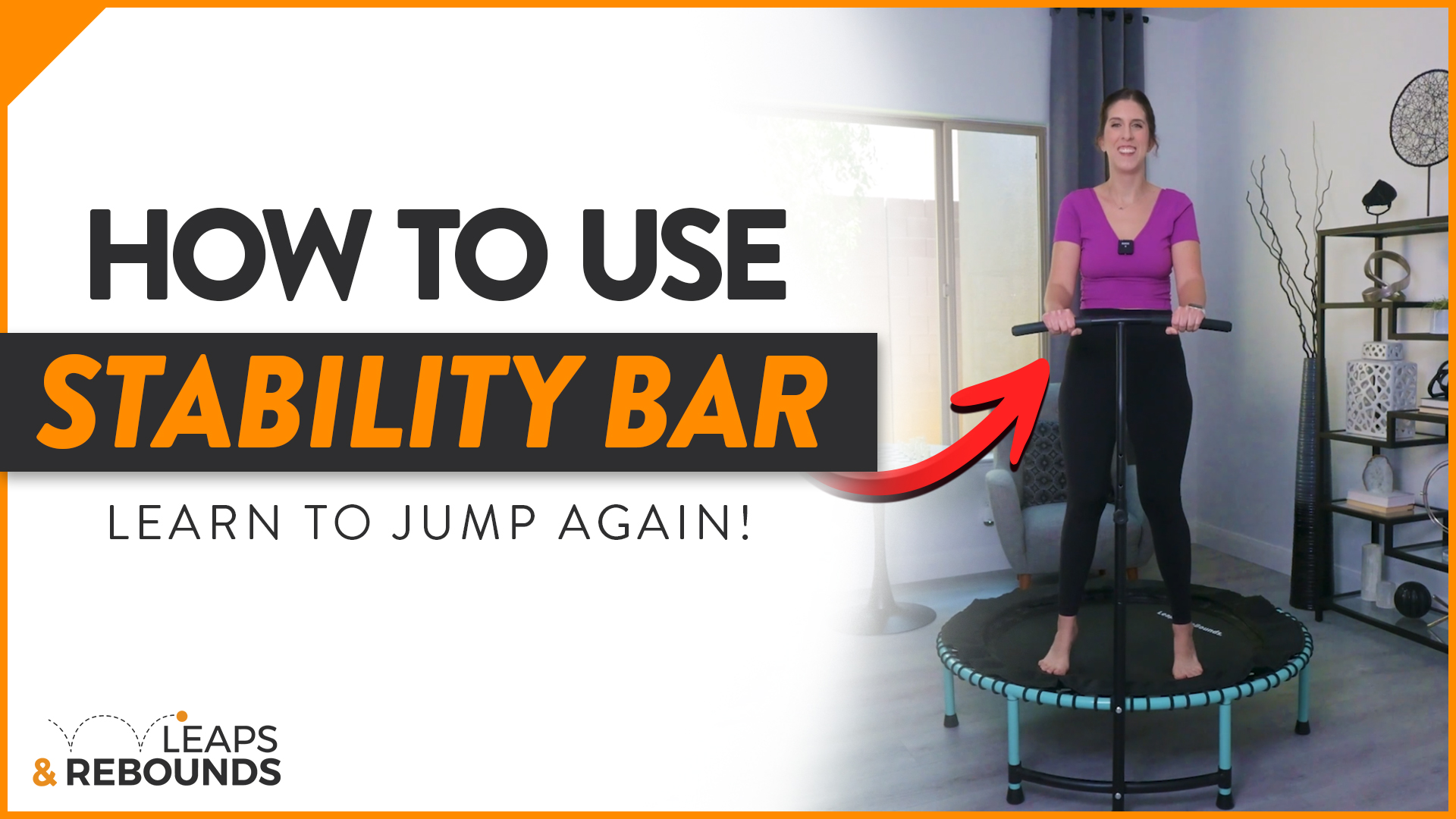











Ever feel like your body could use a little help moving things along? You know, getting rid of waste and just feeling generally more… clear? Well, it turns out that something as simple and fun as jumping on a mini-trampoline, often called rebounding, can actually do wonders for your lymphatic system. This system is super important for detox, but it doesn't have a pump like your heart does. That's where movement comes in, and a trampoline for lymph drainage is a fantastic way to get that needed motion. Let's talk about how bouncing can be your body's best friend for natural cleansing.
Key Takeaways
- The lymphatic system is your body's cleanup crew, and it needs movement to work right.
- Bouncing on a mini-trampoline, or rebounding, helps move lymph fluid, aiding in waste removal.
- Using a trampoline for lymph drainage is a low-impact way to support your body's natural cleansing processes.
- Rebounding offers benefits beyond just lymphatic support, like improved energy and joint health.
- Choosing a stable, quality rebounder is important for a safe and effective workout.
Understanding The Lymphatic System's Crucial Role

Your Body's Internal Cleanup Crew
Think of your lymphatic system as your body's own diligent cleanup crew. It's a complex network of vessels, nodes, and organs that works behind the scenes to keep things tidy. This system's main job is to collect and move waste products, toxins, and excess fluid from your tissues. It's like a secondary circulatory system, but instead of blood, it transports lymph fluid. This fluid carries away things like dead cells, bacteria, and other unwanted materials. Without this constant work, our bodies would quickly get bogged down with waste. It's a pretty amazing, often overlooked, part of keeping us healthy and functioning. About 3-4 liters of fluid per day ends up in the lymphatic system, so it's always busy.
Why Movement Is Essential For Lymph Flow
Unlike your blood, which has the heart to pump it around, the lymphatic system doesn't have a built-in pump. This means it relies on other forces to keep the lymph fluid moving. What kind of forces? Mostly movement! When you move your muscles, whether it's walking, stretching, or even just breathing deeply, you help to push the lymph fluid through the vessels. This is why being sedentary can really slow things down. The fluid can become stagnant, and waste products might not get cleared out as efficiently. This reliance on external forces is precisely why activities that promote movement are so beneficial for lymphatic health.
Here's a quick look at what keeps lymph moving:
- Muscle contractions: Every time your muscles flex, they squeeze the lymphatic vessels, pushing lymph forward.
- Breathing movements: Deep breaths create a pressure change in your chest that helps draw lymph up towards the heart.
- Gravity: While not a primary driver, body position can influence flow, especially when combined with movement.
The absence of a central pump is a really big deal for the lymphatic system. It's the main reason why inactivity or certain health conditions can cause lymph fluid to build up. When the fluid isn't moving properly, it can lead to swelling and make it harder for your body to fight off infections. It's a bit like having a traffic jam on your internal highways – things just don't get where they need to go.
The Lymphatic System's Need For External Support
When your lymphatic system isn't moving lymph efficiently, you might notice a few things. Swelling, especially in the arms or legs, can occur because fluid isn't being drained properly. You might also feel more tired or generally 'blah'. This sluggishness can make it harder for your immune system to do its job effectively, leaving you more open to getting sick. It's like having a traffic jam on your internal highways – things just don't get where they need to go. When lymph fluid becomes stagnant, it can create an environment where waste products and even pathogens linger longer than they should. This can put extra strain on your body's natural defenses and contribute to a feeling of being unwell or run down. Sometimes, your lymphatic system might signal that it needs a little extra help. You might notice these signs if things aren't flowing as well as they should. It's not always obvious, but paying attention can be helpful. These signs can include:
- Persistent swelling, especially in your arms, legs, or hands, which might feel heavy or tight.
- Frequent infections: If you seem to be catching colds or other illnesses more often than usual.
- Slow wound healing: Cuts or bruises taking a long time to recover.
- Skin issues: Things like unexplained rashes or a dull complexion could be related.
- Feeling sluggish or fatigued: A general sense of tiredness that doesn't seem to go away with rest.
This is where external support, like gentle exercise, becomes so important for keeping things flowing smoothly and supporting the body's fluid balance.
How Rebounding Stimulates Lymphatic Circulation
So, how exactly does bouncing on a mini-trampoline help your lymphatic system? It's actually pretty straightforward when you break it down. Think of your lymphatic system as a slow-moving river that needs a gentle push to keep flowing. Unlike your blood, which has a powerful pump (your heart), the lymph fluid relies on movement to get around. That's where rebounding shines.
The Gentle Pumping Action Of A Mini Trampoline
The magic of rebounding lies in its simple up-and-down movement. When you bounce, you're essentially creating a wave-like motion throughout your body. This gentle action causes the tiny valves within your lymphatic vessels to open and close, pushing the lymph fluid along. It's like giving your internal drainage system a consistent, rhythmic squeeze. This motion is low-impact, meaning it's kind to your joints while still being effective at stimulating lymph flow. It's a way to get things moving without the jarring impact of other exercises.
Leveraging Gravity For Fluid Movement
Every time you bounce, you experience slight shifts in gravity. As you go up, gravity lessens, and as you come down, it increases. This push and pull is surprisingly effective. When you land, the increased gravitational pull helps to move the lymph fluid downwards, while the moment of weightlessness at the peak of the bounce allows the fluid to move freely. This natural interplay with gravity is a key reason why rebounding is so good for lymphatic drainage. It helps the fluid move through the vessels and nodes, carrying waste away from your tissues.
Detoxifying Cells With Every Bounce
When you bounce, you're not just moving lymph fluid; you're also helping to get fresh oxygen and nutrients to your cells. The increased circulation from rebounding helps to flush out waste products that have built up inside your cells. This cellular cleansing is a big part of detoxification. When your cells are cleaner and better supplied, they can function more efficiently. This process can leave you feeling more energized and can contribute to healthier-looking skin over time. It's a simple yet effective way to support your body's natural ability to clean house from the inside out.
The lymphatic system doesn't have its own pump like the heart. It relies on muscle movement and gravity to keep lymph fluid circulating. Rebounding provides this movement in a gentle, effective way.
Key Trampoline Benefits for Lymphatic Health
So, we've talked about how the lymphatic system works and why movement is so important for it. Now, let's get into the really good stuff: what exactly does bouncing on a mini-trampoline do for your lymphatic health? It turns out, quite a lot!
Improved Detoxification and Waste Elimination
Think of your lymphatic system as your body's internal waste disposal service. It's constantly picking up gunk from your cells – things like old cell parts, metabolic byproducts, and other cellular debris. The tricky part is, it doesn't have a pump like your heart does for blood. It relies on muscle movement to get things moving. When you rebound, that gentle up-and-down motion creates a pumping action that helps push lymph fluid through your vessels. This means your body gets better at clearing out all that waste. Regular bouncing can help prevent buildup and keep your internal environment cleaner.
Enhanced Immune Function and White Blood Cell Activity
Your lymphatic system is also a major player in your immune defense. It's where white blood cells, your body's infection fighters, hang out and travel. When you improve lymph flow through rebounding, you're helping these crucial cells get where they need to go more efficiently. It's like giving your immune system a better delivery route. This can mean your body is better prepared to fight off germs and stay healthy.
Reduced Swelling and Improved Fluid Circulation
Ever get that puffy feeling, especially in your ankles or hands? That's often fluid that the lymphatic system hasn't quite managed to clear out yet. Rebounding helps to get that lymph fluid circulating again. By encouraging better flow, it can help reduce that uncomfortable swelling and make your limbs feel lighter. It's a simple way to help your body manage its fluid balance.
Healthier Skin Through Toxin Removal
What happens internally often shows up on the outside, right? When your lymphatic system is working well and clearing out toxins more effectively, it can contribute to healthier-looking skin. By helping your body get rid of waste products more efficiently, you might notice a clearer, more vibrant complexion. It's all part of that internal cleanup process benefiting your whole system.
Bouncing on a mini-trampoline is a low-impact way to support your body's natural cleansing processes. It's accessible for many people, regardless of their current fitness level, and can be a fun addition to a wellness routine.
Maximizing Your Trampoline Workout
So you've got your mini trampoline and you're ready to bounce your way to better lymphatic flow. That's awesome! But how do you make sure you're getting the most out of every session? It's not just about jumping up and down randomly; a little bit of intention goes a long way. Let's talk about how to really make those bounces count.
Mastering Basic Bounce Posture
Before you start doing fancy moves, get the basics right. Good posture is key for both safety and effectiveness. Stand with your feet about hip-width apart, knees slightly bent. Keep your back straight, your core gently engaged, and your gaze forward. The goal is to land softly, absorbing the impact through your legs and core, not by stiffening up. Think of it as a controlled, gentle rebound rather than a forceful jump. This posture helps protect your joints and allows your lymphatic system to do its job without unnecessary strain. Proper form is the foundation for all effective rebounding.
Exploring Different Bounce Variations
Once you're comfortable with the basic bounce, you can mix things up. Different movements stimulate your lymphatic system in slightly different ways and work various muscle groups. Here are a few ideas:
- Health Bounce: This is your go-to for lymphatic drainage. Keep your feet close to the mat, just lifting them a few inches. It's gentle and focuses on the up-and-down motion.
- Jogging Bounce: Mimic a gentle jog while on the trampoline. You can even move your arms above your head as you continue jogging. As the workout progresses, try jogging from one side of the trampoline to the other. Moving from side to side can help activate different muscle groups.
- Jumping Jacks (Modified): On a rebounder, these aren't like normal jumping jacks. Stomp down as you move your legs in and out. Your torso should be bent slightly forward, and your arms can move out to your sides as you power down with your legs. Continue this motion for a few minutes.
- Pelvic Floor Bounce: Place a soft ball between your knees and bounce slowly, breathing into your pelvis. Squeeze your inner thighs together as you exhale. This can be done for a few minutes, building up time as you get stronger.
Consistency For Optimal Lymphatic Drainage
While you can do any of these workouts for any length of time, alternating intense effort with recovery effort may help you burn more calories and improve your overall cardiovascular fitness. Try jumping with hard effort for 20 seconds and resting or jumping with light effort for 10 seconds. Repeat these intervals for 7 more times. As you get stronger, you may increase your interval length to a minute or more. You may get many benefits with as little as 15 to 20 minutes of exercise on a mini-trampoline. But, if you’re just starting out with rebounding, you may want to begin with shorter workouts and build as you adjust. A 2018 study showed that participants who exercised on mini-trampolines for as few as three days a week saw big benefits, like increased running speed. So, aim for consistency, even if it's just a few times a week, to really see the positive effects on your lymphatic drainage.
Remember that adding weights, like light hand weights (2 to 3 pounds), can increase the intensity once you're comfortable with basic bouncing. Start with short durations and gradually increase the weight and time as you build strength. This is a great way to challenge yourself further and boost your workout's impact.
Choosing The Right Rebounder For Lymphatic Drainage
So, you're ready to jump into rebounding and give your lymphatic system a boost. That's fantastic! But before you start bouncing, let's chat about picking the right mini-trampoline. It really matters, and not all rebounders are created equal. Getting the right one makes a big difference in how effective and enjoyable your lymphatic drainage workouts will be.
Frame And Spring Considerations
When you're looking for a rebounder, the first things to check are how sturdy it is and how safe it feels. You don't want something that wobbles or feels like it might tip over. Look for a solid frame, usually made of steel, and make sure the legs are strong and won't slip. A stable rebounder means you can focus on your workout, not on staying upright. Think about where you'll be using it too – a hard floor might need rubber caps on the legs to prevent sliding.
Now, about the springs. This is where a lot of cheaper models fall short. Those super inexpensive rebounders often have a really stiff, jarring bounce. It's not great for your joints and can actually be uncomfortable. A good quality rebounder, on the other hand, provides a much softer, more forgiving bounce. This is often achieved through better spring systems or bungee cords. Bungees are often quieter and gentler than metal springs, which can be a nice bonus if noise is a concern. A smoother bounce is key to getting the full benefits of lymphatic drainage and cellular stimulation without putting extra stress on your body. It feels more like you're floating than jarring.
Mat Durability And Bounce Quality
The mat itself needs to be durable. You want something that's securely attached and can handle regular use without tearing or stretching out too much. A good mat works with the springs or bungees to give you that supportive, yet yielding, bounce. The quality of the bounce is really what you're paying for with a good rebounder. It should feel responsive, allowing you to get a good lift without feeling like you're fighting against it. Think about how it feels underfoot – does it absorb impact well? Does it feel like it's helping you rebound rather than just absorbing all your energy?
Ensuring Stability And Weight Support
Safety first, always. Make sure the rebounder you choose can safely support your weight. Most manufacturers will list a weight limit, so check that before you buy. Beyond just the weight limit, consider the overall stability. Does it feel solid when you're standing on it? Does it stay put when you start bouncing? Some rebounders have wider bases or non-slip feet, which are great features for added stability. A rebounder that feels secure will give you the confidence to really get into your workout and get the most out of every bounce for your lymphatic system.
Ultimately, the right rebounder will make your lymphatic drainage workouts more effective and enjoyable, encouraging you to keep bouncing your way to better health. It's an investment in your well-being, so taking the time to pick the right one is definitely worth it.
Structuring Your Bounce Sessions

So, you've got your mini trampoline and you're ready to bounce your way to better lymphatic flow. That's awesome! But how do you make sure you're getting the most out of every session? It's not just about jumping up and down randomly; a little bit of intention goes a long way. Let's talk about how to really make those bounces count.
Morning Lymphatic Boost
Start your day with a gentle wake-up call for your lymphatic system. A 5-10 minute session first thing in the morning can really get things moving after a night of rest. Focus on a basic, gentle bounce, keeping your feet close to the mat. This low-impact movement helps to stimulate lymph flow and can leave you feeling more alert and refreshed. Think of it as a gentle nudge to your body's internal cleanup crew, getting them ready for the day ahead.
Midday Energy Reset Bounce
Feeling that afternoon slump? A quick 5-10 minute bounce session can be just the ticket. This is a great time to pick up the pace a little. Try a jogging bounce, lifting your knees a bit higher, or even incorporate some gentle twists to engage your core. This more vigorous movement will not only help with lymphatic drainage but also give you a nice energy boost, helping you power through the rest of your day without reaching for that third cup of coffee.
Evening Relaxation Bounce
Wind down your day with a calming 5-10 minute bounce. This session should be all about slow, deliberate movements. Stick to a gentle health bounce, focusing on the rhythm and the feeling of release. This can help to clear out any lingering toxins and promote relaxation, setting the stage for a restful night's sleep. It's a peaceful way to signal to your body that it's time to transition from activity to recovery.
Consistency is key when it comes to reaping the benefits of rebounding for your lymphatic system. Aim to incorporate these short, varied sessions into your daily routine. Even just a few minutes here and there can make a significant difference over time, helping to keep your lymph fluid moving and your body functioning optimally.
Here's a simple way to think about structuring your bounce time:
| Session Type | Duration | Focus |
|---|---|---|
| Morning Lymphatic Boost | 5-10 minutes | Gentle Health Bounce, wake up body |
| Midday Energy Reset | 5-10 minutes | Jogging Bounce, energy reset |
| Evening Relaxation | 5-10 minutes | Slow Health Bounce, relaxation |
Ready to Bounce Your Way to Better Health?
So, there you have it. Jumping on a mini-trampoline, or rebounding, is a surprisingly simple and fun way to give your lymphatic system a much-needed boost. It’s not about doing crazy flips or jumping for hours; even a few minutes of gentle bouncing each day can make a real difference in helping your body clear out waste and feel more balanced. If you've been looking for a low-impact way to support your body's natural detox processes and maybe even feel a bit more energized, giving a rebounder a try might be just the ticket. Grab a stable one, start with some basic bounces, and see how good it feels to get things moving!
Frequently Asked Questions
What is the lymphatic system and why is it important?
Think of your lymphatic system as your body's cleanup crew. It's a network of tubes that helps get rid of waste, extra fluid, and anything harmful. It also helps your immune system fight off sickness. Unlike your blood, which has the heart to pump it around, your lymphatic system needs movement to keep things flowing.
How does bouncing on a mini-trampoline help my lymphatic system?
When you bounce, the gentle up-and-down motion changes how gravity affects your body. This helps push the lymph fluid through your body, like giving it a gentle nudge. Plus, almost every part of your body works when you bounce, which helps move the fluid along even more.
Can rebounding help clear out toxins from my body?
Yes! Bouncing on a mini-trampoline is a great way to help your lymphatic system do its job of removing waste. By improving the flow of lymph fluid, it helps carry away toxins, which can lead to better overall health and even clearer skin.
Does rebounding help with swelling or puffiness?
Absolutely. When your lymphatic system is working well, it helps manage the fluid in your body. Rebounding can improve this fluid circulation, which may help reduce swelling and that feeling of being puffy.
How often should I bounce to get benefits for my lymphatic system?
You don't need to spend hours on the trampoline! Even short, regular sessions can make a difference. Aiming for about 10 to 15 minutes a day, a few times a week, can be really beneficial for your lymphatic health.
Is rebounding tough on my joints?
One of the best things about rebounding is that it's low-impact. This means it's much gentler on your joints, like your knees and ankles, compared to activities like running on a hard surface. It gives you a great workout without the extra stress.


0 comments