


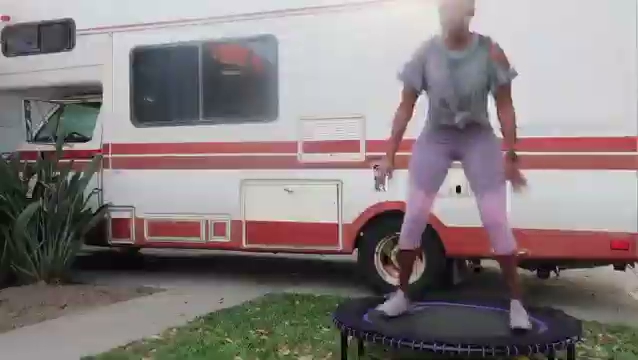




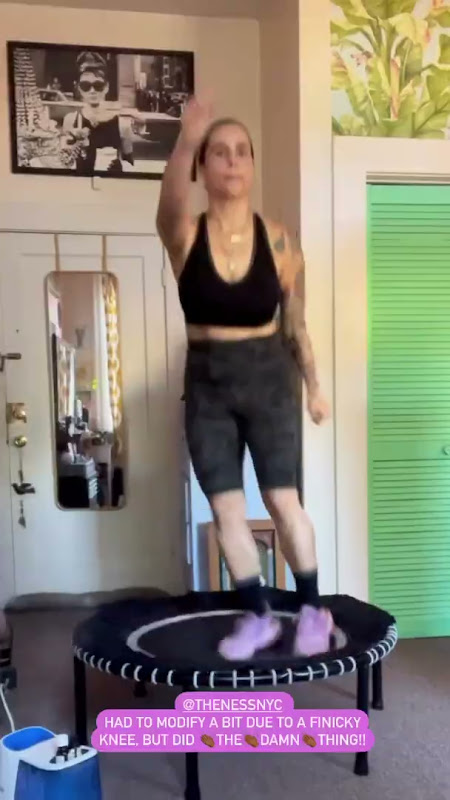




Discover the surprising benefits of rebounding, a low-impact exercise that uses mini-trampolines to provide a full-body cardio workout. This fun and engaging activity is gaining popularity as an effective alternative to traditional exercises like running, offering a joint-friendly way to boost fitness and well-being.
Key Takeaways
- Rebounding is a low-impact cardio exercise performed on a mini-trampoline.
- It offers a full-body workout that is gentle on the joints.
- Benefits include improved circulation, lymphatic drainage, balance, and core strength.
- It can be a fun and engaging way to support weight loss and overall fitness.
The Appeal of Rebounding
Rebounding, or exercising on a mini-trampoline, is emerging as a highly effective and enjoyable form of exercise. Unlike high-impact activities that can put stress on knees, hips, and ankles, the elastic surface of a rebounder absorbs a significant amount of impact, making it a joint-friendly option. This makes it particularly appealing for individuals seeking a way to improve cardiovascular health without the associated risks of injury or discomfort.
Health Benefits Beyond Cardio
The advantages of rebounding extend far beyond just elevating your heart rate. The up-and-down motion acts as a pump for the lymphatic system, aiding in the removal of cellular waste and potentially boosting immune health and energy levels. Furthermore, the inherent instability of bouncing challenges and improves balance and coordination by engaging core muscles, postural muscles, and ankle stabilizers. This neuromuscular work is crucial for overall resilience and can help reduce the risk of falls, especially for older adults.
Getting Started with Rebounding
For those new to rebounding, experts recommend starting slowly and gradually increasing the duration and intensity of workouts. Basic exercises include the "health bounce" (keeping feet flat and gently pressing through heels), a "basic bounce" (adding a slight lift-off), marching in place, and side steps. As you become more comfortable, you can incorporate moves like heel digs, jumping jacks, waist twists, and forward kicks. Consistency is key, with recommendations suggesting starting with 10-15 minutes, three to four times a week, and progressing to 20-30 minutes, five to six days a week, as fitness improves.
Safety and Considerations
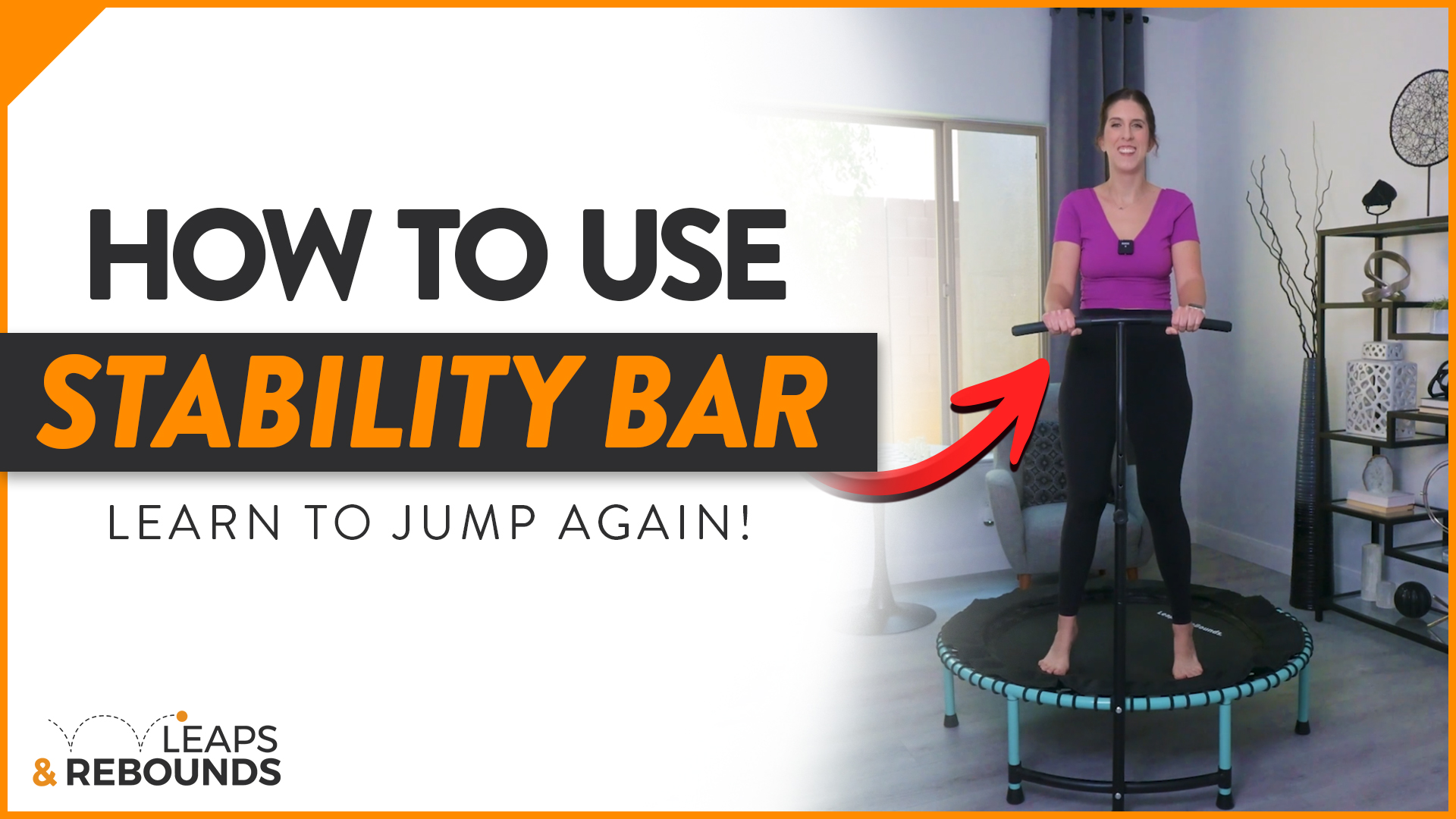
While generally safe, it's important to use rebounders designed for fitness, not toys, and to ensure the equipment is secure. Beginners or those with balance concerns may benefit from using a rebounder with a support bar. It's also advisable to wear non-slip socks. Individuals with certain health conditions, such as severe joint degeneration, uncontrolled high blood pressure, or recent surgeries, should consult a doctor before starting rebounding. Proper technique, including maintaining a soft bend in the knees and engaging the core, is essential to prevent ankle and knee strain and dizziness.
A Versatile Fitness Tool
Rebounding can be seamlessly integrated into various fitness routines. It can serve as a dynamic warm-up, a quick cardio burst during a lunch break, or an active recovery activity. Its playful nature can also make exercise feel less like a chore and more like a fun, energizing experience, contributing to both physical and mental well-being.
Sources
- How to use a trampoline to get a better workout than running, TODAY.com.
- 10 Moves for a Low-Impact Exercise Routine, Prevention.
- Rebounder Workout: Burn Fat Without Joint Pain or Impact, First For Women.
- Why "rebounding" might be your new favourite cross-training activity, Canadian Running Magazine.
- A 20-Minute Cardio Trampoline Workout For Stronger Legs & Core, MindBodyGreen.


0 comments