












So, you want to get a bit fitter but the thought of a full-on gym session makes you want to hide under the duvet? I get it. It doesn't have to be complicated though. Turns out, a simple chair can be your best friend when it comes to moving your body and feeling better. Whether you're new to exercise, have some aches and pains, or just need a way to sneak more movement into your day, chairs exercise routines are a fantastic option. They're low-impact, adaptable, and you can do them right at home. Let's explore how a chair can become your personal fitness studio.
Key Takeaways
- A chairs exercise routine uses a sturdy chair as the main piece of equipment, making fitness accessible and adaptable for various fitness levels and physical needs.
- These workouts are beneficial for a wide range of people, including seniors, beginners, individuals with mobility concerns, and those looking for convenient ways to stay active.
- Chair workouts can be tailored to focus on different fitness aspects like building strength, improving cardiovascular health, increasing flexibility, and strengthening the core.
- Key movements like seated marches, leg raises, chair squats, and seated twists offer targeted benefits for circulation, lower body power, and spinal flexibility.
- Consistency is key, with recommendations suggesting three to four 15-20 minute sessions per week, focusing on proper form, listening to your body, and gradually progressing the routine.
Understanding The Benefits Of Chairs Exercise
What Constitutes A Chair Workout?
A chair workout is basically any exercise routine where you use a sturdy chair as your main piece of equipment. Think of it as a fitness session that's built around sitting, or using the chair for support while standing. It's not just about sitting there, though; you'll be moving your arms, legs, and core in ways that get your body working. These workouts can be adjusted, so whether you're just starting out or you've been exercising for a while, you can find moves that fit your level. They're often low-impact, meaning less stress on your joints, which is a big plus for many people.
Who Can Benefit From Chair Exercises?
Honestly, almost anyone can get something out of chair exercises. They're a fantastic option if you find traditional workouts a bit too much, or if you just need a simpler way to get moving. Seniors often find them great because they're gentle on the body. If you're new to exercise, they're a straightforward way to ease into it. People dealing with injuries or who have trouble moving around can also find chair workouts really helpful because they can be done right from a seated position. Plus, if you're stuck at a desk all day, these exercises can help you shake off that stiffness and boost your energy without even leaving your office.
Enhancing Your Chair Workout Routine
To really get the most out of your chair exercises, there are a few things to keep in mind. It's not just about doing the moves; it's about doing them right and making them work for you.
- Proper Form: Sitting up straight, engaging your core, and moving with control are key. This helps you work the right muscles and avoid strain.
- Listen to Your Body: If something doesn't feel right, don't push it. Modify the exercise or skip it altogether. Your body will thank you.
- Consistency is Key: Doing chair exercises regularly, even for short periods, will yield better results than doing a long, infrequent session.
Making chair exercises a regular part of your week can lead to noticeable improvements in strength, flexibility, and overall well-being. It's about finding a sustainable way to stay active that fits into your life.
Here's a quick look at what you can gain:
| Benefit | Description |
|---|---|
| Increased Strength | Builds muscle in arms, legs, and core using body weight and chair support. |
| Improved Flexibility | Helps loosen muscles and reduce stiffness, especially after sitting for long. |
| Better Circulation | Seated marches and similar moves can get your blood flowing. |
| Enhanced Balance | Exercises can help improve coordination and stability. |
Getting Started With Your Chairs Exercise Routine
So, you're ready to give chair exercises a go? That's awesome! It's really not complicated to get started, but a few simple things can make a big difference in how safe and effective your workouts are. Think of it like prepping for a hike – you wouldn't just run out the door without the right shoes, right? Same idea here.
Choosing The Right Chair
This is probably the most important step. You don't want just any old seat. Look for a chair that's really sturdy and won't wobble. Chairs with wheels are a definite no-go, and those super soft, sink-in cushions aren't ideal either. You need something with a flat seat and a solid back. This gives you the support you need to feel steady, especially when you're leaning back a bit or pushing yourself up. A good, stable chair is your best friend for these exercises.
Comfortable Attire For Movement
When it comes to what you wear, think comfort and freedom. You want clothes that let you stretch, bend, and move without feeling restricted. Athletic wear is a good choice, but honestly, any loose-fitting, breathable clothing will work just fine. If you plan on doing exercises where you might stand up or use the chair for balance, wearing supportive shoes can be a good idea. It's all about being able to move easily.
The Importance Of Warming Up And Cooling Down
Even though chair exercises are often gentle, warming up and cooling down are still super important. It helps get your muscles ready and then helps them relax afterward, which can cut down on any soreness and make you feel more refreshed.
Here’s a quick rundown:
- Warm-up: Start with some easy movements to get your blood flowing. Think seated marches, gentle shoulder rolls, or arm circles. Just a few minutes is usually enough to get things going.
- Cool-down: After you finish your main exercises, take a few minutes to stretch. Focus on the muscles you worked. Deep breathing can also help your body gradually return to its resting state.
Skipping the warm-up and cool-down is like trying to drive a car without letting the engine warm up on a cold day. It might work, but you're putting unnecessary strain on things and not getting the best performance.
Getting these basics right will set you up for a much better experience with your chair exercise routine.
Exploring Different Types Of Chairs Exercise
So, you've got your sturdy chair, you're dressed comfortably, and you're ready to move. But what kind of workout are you actually doing? Turns out, chair exercises aren't just one-size-fits-all. You can tailor them to hit different fitness goals, whether you're looking to build some muscle, get your heart pumping, or just loosen up those tight spots. It's pretty neat how much you can do from a seated position.
Strength Building Through Chair Exercises
Don't let the chair fool you; you can definitely build strength without heavy weights. These workouts use your own body weight and the chair for support to work your muscles. Think about exercises like tricep dips using the edge of the seat, or leg raises that target your quads and hamstrings. It's all about controlled movements that challenge your muscles.
Cardiovascular Benefits Of Seated Workouts
Who says you need to jump and run to get your heart rate up? Seated cardio is a real thing! Moves like marching in place while seated, or doing quick punches (like seated jabs), can get your blood flowing and give your cardiovascular system a good workout. It's a gentler option for your joints but still effective for heart health.
Flexibility And Stretching With Chair Routines
If you spend a lot of time sitting, you know how stiff you can get. Chair exercises are fantastic for stretching out those tight muscles. Simple twists, side bends, and reaching exercises can help improve your range of motion and ease that feeling of being all locked up. It's like giving your body a much-needed release.
Core Strengthening Using Chair Exercises
Your core muscles are super important for everything from posture to balance. You can work them effectively while seated. Exercises like seated bicycle crunches (where you bring opposite elbow to opposite knee) or controlled knee lifts engage your abdominal muscles. Using the chair for support can make these moves safer and more accessible, especially if floor exercises are tricky.
The beauty of chair exercises is their adaptability. You can mix and match different types of movements to create a routine that fits exactly what you need on any given day. It's about making fitness work for you, not the other way around.
Here's a quick look at what you can target:
- Strength: Focus on controlled movements to build muscle.
- Cardio: Get your heart rate up with dynamic seated actions.
- Flexibility: Stretch and lengthen muscles to improve range of motion.
- Core: Engage your midsection for better stability and posture.
Effective Chairs Exercise Movements To Try
Alright, let's get down to the good stuff – the actual exercises you can do right from your chair. These aren't just random movements; they're designed to make a real difference in how you feel and function. We'll cover a few key ones that hit different parts of your body.
Seated Marches For Circulation
This is a fantastic way to get your blood moving, especially if you've been sitting for a while. Sit up tall in your chair, feet flat on the floor. Now, lift one knee towards your chest, then gently lower it back down. Alternate legs, as if you're marching in place while seated. It's a simple move, but it really helps wake up your legs and get that circulation going. It’s a great starting point for any chair workout routine.
Leg Raises For Lower Body Strength
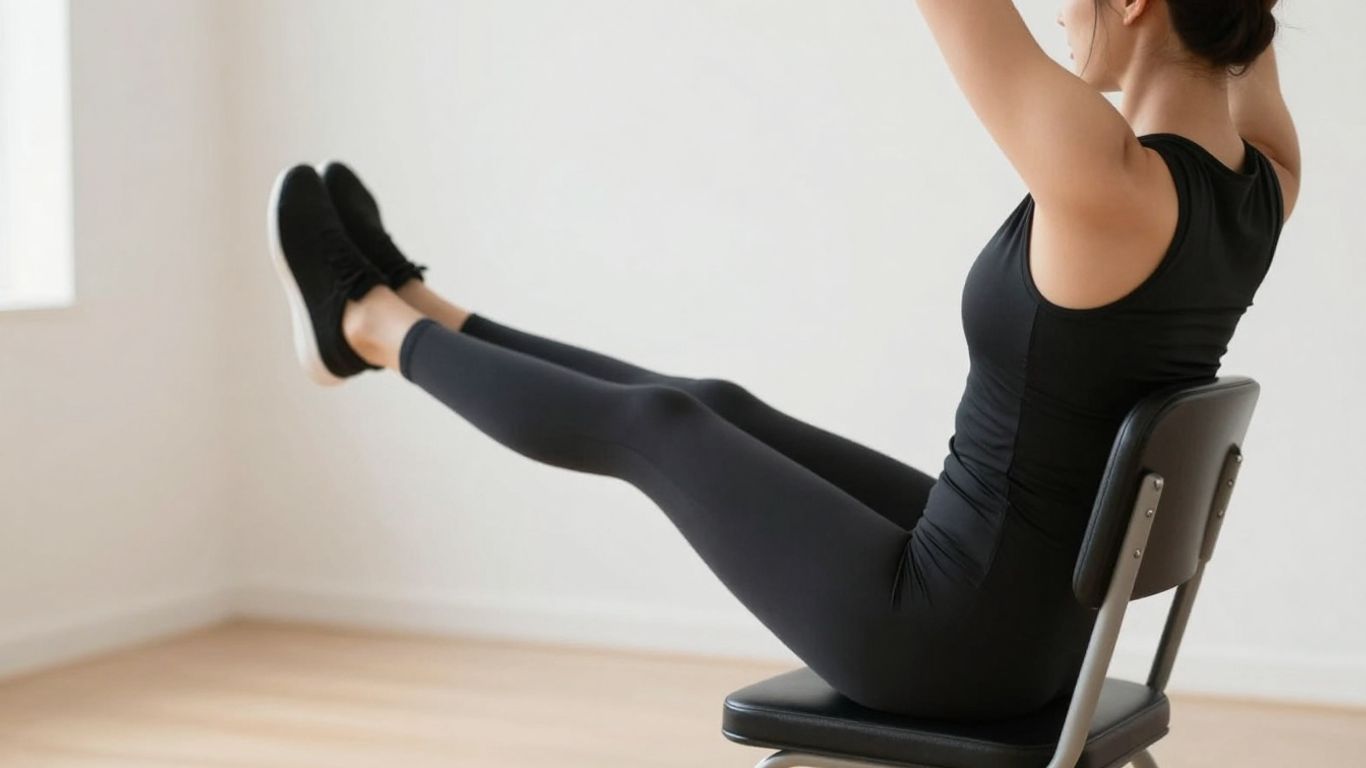
Ready to give your legs a bit more of a challenge? Sit tall and extend one leg straight out in front of you. Try to hold it parallel to the floor for a few seconds before slowly lowering it. Repeat with the other leg. This targets your thigh muscles and even your core, helping to build strength. You can gradually increase how long you hold the leg up to make it tougher.
Chair Squats For Leg And Glute Power
This one might sound a bit odd, but it's super effective. Stand in front of your sturdy chair. Lower yourself down as if you're about to sit, but stop just before your bottom touches the seat. Then, push back up to standing. This works your leg and glute muscles, which is great for everyday activities like getting up from a chair. It also helps with your balance. If you're looking for ways to rebuild lost leg muscle, this is a good one to incorporate. chair exercises for seniors
Seated Twists For Spinal Flexibility
Feeling a bit stiff in your back? Sit up straight, placing your hands on your knees. Gently twist your torso to one side, hold for a moment, return to the center, and then twist to the other side. This movement is excellent for improving flexibility in your spine and can help relieve tension, especially if you spend a lot of time hunched over a desk. It’s a simple way to give your back some much-needed movement.
Remember, the key with all these exercises is to move with control. Don't rush through them. Focus on feeling the muscles work and maintaining good posture throughout each movement. It's better to do fewer repetitions with good form than many with sloppy technique.
Maximizing Your Chairs Exercise Sessions
So, you've got your chair, your comfy clothes, and you're ready to move. That's awesome! But how do you make sure you're really getting the most out of these seated workouts? It's not just about doing the motions; it's about doing them right and listening to what your body is telling you. Think of it like this: you wouldn't just randomly hit piano keys and expect a symphony, right? Same idea here. A little attention to detail goes a long way.
Focusing On Proper Form
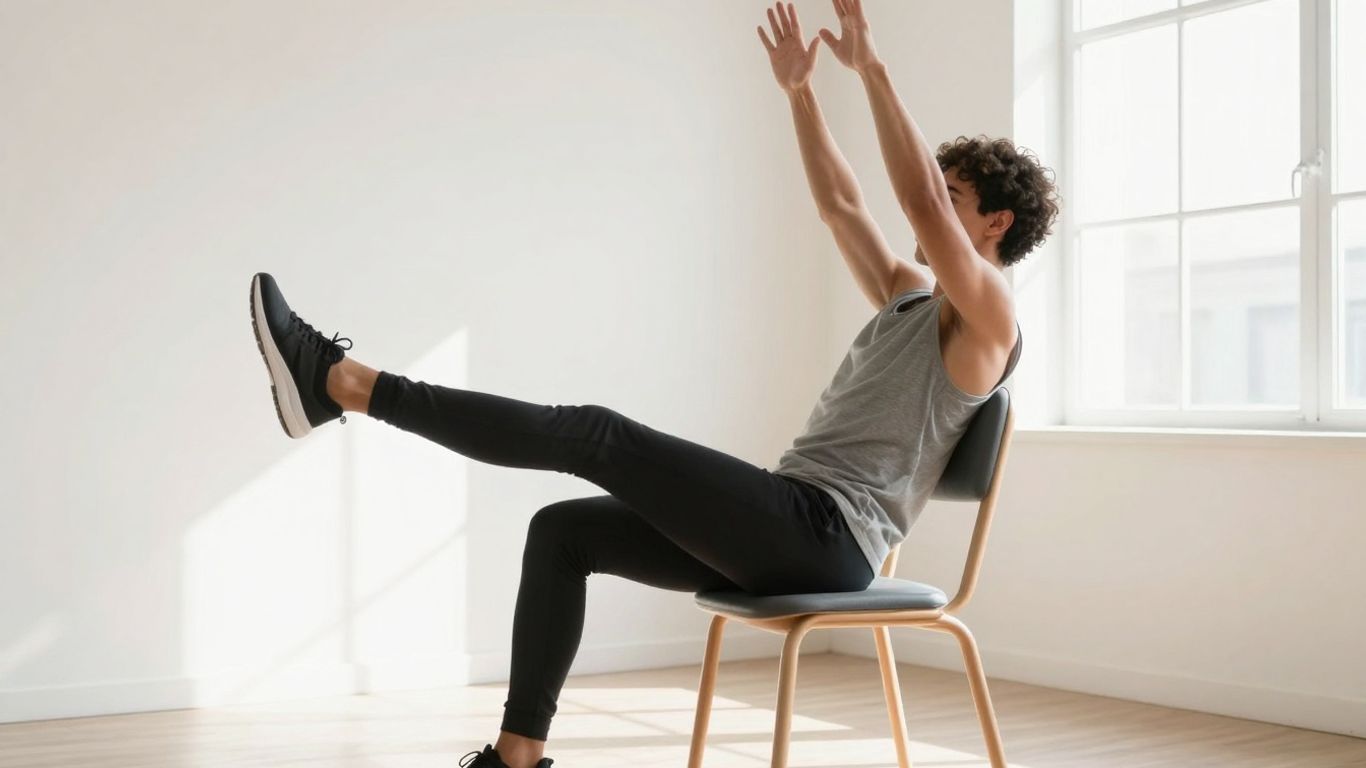
This is probably the biggest one. When you're doing seated marches, for example, are you just wiggling your legs, or are you actively lifting your knees and engaging your core? Proper form means you're actually working the muscles you intend to work, and you're doing it safely. It's about control, not speed. For leg raises, instead of just flinging your leg up, slowly lift it, hold it for a second, and then lower it with control. This makes a huge difference in how effective the exercise is and helps prevent you from pulling something.
- Sit up straight: Imagine a string pulling you up from the top of your head.
- Engage your core: Gently pull your belly button towards your spine.
- Move with intention: Each movement should feel deliberate, not rushed.
- Keep your back supported: If you need to lean back slightly for stability, do so, but avoid slouching.
Listening To Your Body's Signals
Your body is pretty smart, you know? It'll let you know if something's not quite right. If an exercise causes sharp pain, that's a clear sign to stop or modify it. Maybe a leg raise feels too intense; try doing it with a bent knee instead, or just lift it a little higher. It's okay to adjust things. We're not trying to win any fitness competitions here; we're just trying to feel better and get healthier.
Don't push through sharp pain. A little muscle fatigue is normal, but anything that feels like a strain or a sharp jab means you need to back off. It's better to do fewer reps with good form and no pain than to push too hard and get injured.
Frequency For Optimal Results
How often should you be doing these chair exercises? Well, it really depends on your goals and your current fitness level. For general health and to break up long periods of sitting, aiming for 10-15 minutes a few times a day can be really beneficial. If you're looking to build strength or improve cardiovascular health, you might want to dedicate longer sessions, say 20-30 minutes, three to five times a week. Consistency is key, so find a schedule that you can stick with. It's better to do a short workout regularly than a long one sporadically.
Here's a general guideline:
| Goal | Recommended Frequency |
|---|---|
| General Movement/Stiffness | 10-15 mins, 3-5 times/week |
| Strength Building | 20-30 mins, 3-4 times/week |
| Cardiovascular Health | 20-30 mins, 3-5 times/week |
| Flexibility | Daily, 5-10 mins |
Integrating Chairs Exercise Into Daily Life
So, you've got a handle on some great chair exercises, and you're feeling good about them. That's awesome! But how do you actually make them a regular part of your life, not just something you do once in a while? It's all about weaving them into the fabric of your day. Think of it like adding a little extra spice to your meals – small additions that make a big difference.
Fitting Movement Into Your Workday
If you've got a desk job, you know how easy it is to get stuck in that chair for hours. Before you know it, your back is stiff and your energy is zapped. But here's the thing: you can sneak in some movement right there. Try doing seated marches for a minute or two every hour. Or, when you're on a phone call that doesn't require you to be on camera, stand up and do some leg raises. It doesn't have to be a full workout; just little bursts of activity can really help. Even simple things like reaching for your water bottle on the floor can get your body moving.
Making Chair Exercises A Habit
Turning chair exercises into a habit is less about willpower and more about making it easy and consistent. Try linking your exercises to something you already do. For example, do a few chair squats every time you get up to make a cup of coffee. Or, set a reminder on your phone for a quick 10-minute session after lunch. Consistency is key, so start small and build up. Maybe aim for three times a week to begin with, and then gradually increase the frequency as you feel more comfortable. Remember, chair exercises offer a safe and effective way to build muscle and improve overall fitness.
Progressing Your Chairs Exercise Practice
Once you've got the hang of it, you'll probably want to challenge yourself a bit more. That's where progression comes in. You can make exercises harder by:
- Increasing repetitions: If you're doing 10 leg raises, try for 12 or 15.
- Adding holds: For exercises like leg raises or chair squats, try holding the position for a few extra seconds.
- Slowing down the movement: Performing exercises more slowly can increase muscle engagement.
- Adding light weights: Once you're comfortable, you might consider holding small weights or resistance bands for added challenge.
Don't feel pressured to do everything at once. The goal is to find a rhythm that works for you and your body. Listen to what your body is telling you, and adjust as needed. It's your fitness journey, after all!
It's amazing how much of a difference these small, consistent efforts can make over time. You'll likely notice improvements in your energy levels, flexibility, and overall well-being. So, keep at it, and enjoy the process of becoming a healthier, more active you, right from your chair.
Wrapping It Up
So there you have it. Getting a bit more active doesn't have to mean hitting the gym or running miles. Using just a chair, you can really get a good workout in, right from your living room. Whether you're looking to build some strength, move a bit more freely, or just feel better overall, these chair exercises are a solid way to start. Remember to listen to your body, pick a good sturdy chair, and just get going. You might be surprised at how much difference a little movement can make.
Frequently Asked Questions
What exactly is a chair workout?
A chair workout is a way to exercise using a sturdy chair as your main helper. You can do many different moves while sitting or using the chair for support. It's great because it's usually low-impact, meaning less stress on your joints, but you can still build strength, get more flexible, and even improve your balance. It's a fantastic option if you want to stay active without needing a lot of space or doing intense jumping exercises.
Who can benefit most from chair exercises?
Pretty much anyone can enjoy the benefits of chair exercises! They are especially helpful for seniors, people who are new to exercise, or those who have trouble with balance or moving around a lot. If you find regular workouts too hard on your body, or if you have a desk job and need to move more during the day, chair workouts are a perfect fit. They're a simple and safe way to get your body moving.
Can I really get a good workout just by sitting?
Absolutely! You can definitely get your heart pumping and muscles working with chair exercises. Moves like seated marches, where you lift your knees up and down, or seated punches can get your blood flowing and boost your energy. While they are low-impact, these exercises still help your heart and can be just as effective as other cardio activities for improving your overall fitness.
How often should I do chair exercises to see results?
For the best results, try to do chair workouts about three to four times a week. Aim for sessions that are around 15 to 20 minutes long. It's important to make it a regular habit. Listen to your body, though – if you're just starting, take rest days when you need them. You can switch between strength moves and stretching on different days to make steady progress without overdoing it.
What are some good chair exercises for strengthening my core?
Yes, there are several great chair exercises for your core! Try seated bicycles, where you bring your knees towards your chest, or seated knee lifts. Seated twists are also excellent for working the sides of your abs. Even just focusing on keeping your stomach muscles tight while doing other chair exercises will help build a stronger core, which is important for good posture and balance.
Can chair workouts help with weight loss?
Chair workouts can definitely be a part of a weight loss plan. When you combine them with healthy eating and other physical activities, they can help you burn calories and build muscle. Building more muscle can also speed up your metabolism, which helps your body burn more energy. Doing these exercises regularly, along with a balanced diet, can lead to gradual and healthy weight loss.


0 comments