


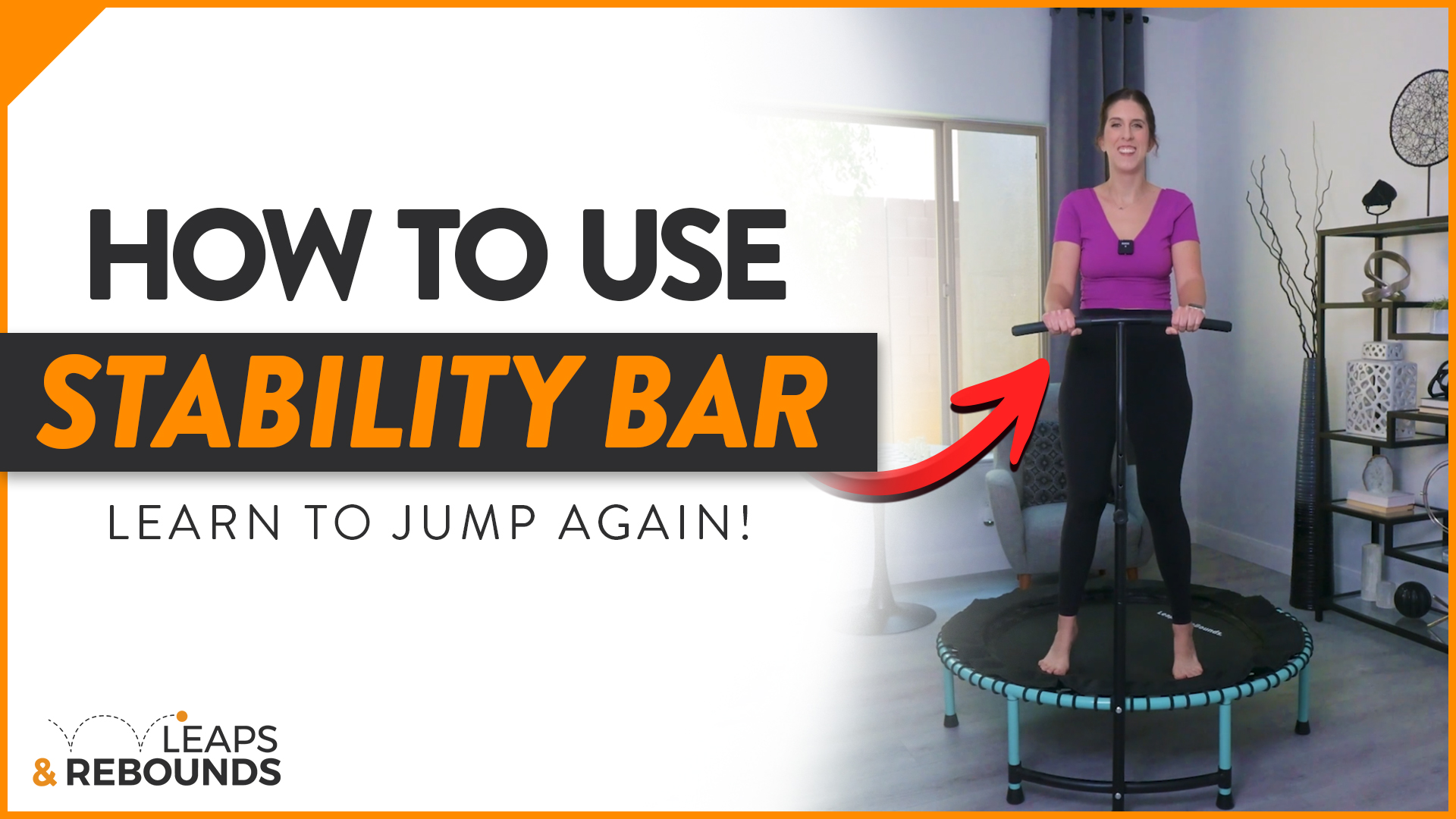










What if I told you there's a workout that's super simple, can be done right in your living room, and works your heart, muscles, balance, and even your immune system all at once? And the best part? It's actually fun. Today, we're going to talk about seven incredible things that happen to your body when you rebound regularly. Make sure you stick around for number five, because it's the main reason NASA swears by this workout.
Strengthen Your Heart and Boost Circulation
Rebounding gets your heart rate up into a safe and effective cardio zone. This strengthens your heart muscle and makes your circulation better. Just a few minutes each day helps your body pump oxygen-rich blood more efficiently. This can lower your risk of heart disease and help you feel more energetic throughout the day. Have you noticed your heart rate climbing faster on a rebounder compared to walking? Let us know in the comments if you have.
Support Your Lymphatic System
Every bounce acts like a pump for your lymphatic system. This is the network in your body that gets rid of toxins and waste. It's not just some made-up detox idea; science shows that lymph flow is really important for fighting off sickness. Since your lymph system doesn't have a pump like your heart, it relies on movement to do its job. Bouncing is one of the best ways to get it moving.
Improve Balance and Coordination
Each jump makes your muscles and brain work together, constantly adjusting to tiny changes in movement. Over time, this sharpens your reflexes, strengthens the muscles that keep you stable, and improves your overall coordination. This is why rebounding is often used in physical therapy for both older adults and athletes. Have you ever felt less clumsy after working out consistently?
Build Stronger Bones
Low-impact bouncing might not seem like it would help your bones, but studies show that the gentle, consistent load on your skeleton actually encourages bone growth. This helps prevent bone loss and osteoporosis as you get older. Unlike high-impact activities like running, you get the bone-strengthening benefits without putting extra stress on your joints.
Burn More Calories Than Jogging
NASA found that rebounding burns more calories per minute than jogging. This is thanks to the combination of resistance, gravity, and how your muscles engage. And because it's low impact, you can keep going for longer without feeling pain. This makes it a fantastic option for managing weight, especially if you're not a fan of running. If you had to choose between jogging or bouncing for 20 minutes, which would you pick?
Engage Your Core Muscles
Even if you're not doing sit-ups, rebounding constantly works your deep abdominal and lower back muscles as you keep your body stable. If you add arm movements or light weights, you suddenly have a full-body workout without needing to do crunches on the floor.
Boost Your Mood
Exercise releases endorphins, which are your brain's feel-good chemicals. Bouncing adds an extra element of fun that can boost your mood even more. It's pretty hard to feel down when you're literally jumping up and down! Have you ever bounced with a friend or family member and noticed that laughter just starts happening? This is totally normal and part of the rebounding experience.
So, there you have it – seven powerful ways rebounding can transform your body. From stronger muscles and bones to a happier, healthier you. Which of these benefits surprised you the most? Let us know in the comments. And if you found this helpful, make sure to subscribe for more simple, effective fitness tips. Thanks for watching!


0 comments