










Starting strength training at home as a beginner can feel a bit much, right? Like, where do you even begin? But honestly, you don't need a fancy gym or a ton of equipment to get stronger. You can totally do this from your living room. This guide is here to help you figure out the basics so you can start building strength without any stress.
Key Takeaways
- You don't need a gym membership or expensive gear to start strength training at home. Bodyweight exercises are a great starting point.
- Begin with simple, full-body movements like squats, push-ups (modified if needed), glute bridges, and planks.
- Focus on learning proper form and controlled movements before trying to lift heavier or do more reps.
- Progress gradually by slowly increasing reps, sets, or adding light resistance like bands or dumbbells.
- Strength training offers benefits beyond just getting stronger, like better mood, more energy, and improved bone health.
Getting Started With Strength Training At Home For Beginners
Starting strength training at home might sound like a big deal, but honestly, it's way more doable than you think. You don't need a fancy gym or a ton of equipment to begin building strength. The real magic happens when you get consistent and learn the basics. This section is all about setting you up for success right from your living room.
Why Home Workouts Are Effective
Working out at home is surprisingly effective for a few solid reasons. For starters, it's incredibly convenient. No more driving to the gym, finding parking, or waiting for machines. You can literally roll out of bed and start your workout. Plus, there's the privacy factor. You can focus on learning the movements without feeling self-conscious, which is a big plus when you're just starting out. This makes it much easier to stick with a routine, and consistency is key to seeing results. It removes a lot of the barriers that might stop you from exercising regularly.
Essential Equipment for Your Home Gym
When you're a beginner, you don't need much to get a good workout. Your own body weight is a fantastic starting point. But, a few small additions can make a big difference:
- A comfortable mat: This is great for floor exercises and just makes things feel a bit nicer.
- Resistance bands: These are super versatile and cheap. You can get a set with different levels of resistance.
- A sturdy chair or step: Useful for exercises like incline push-ups or step-ups.
That's really it to start. You can add dumbbells later if you want, but don't feel like you need them right away. The goal is to get moving and learn the exercises.
Setting Realistic Goals for Success
It's easy to get excited and want to do too much too soon, but setting realistic goals is super important. Think about what you want to achieve in the next month or two. Maybe it's being able to do 10 push-ups or holding a plank for 30 seconds. Break down bigger goals into smaller, manageable steps. This way, you can celebrate small wins along the way, which keeps you motivated. Remember, strength training is a marathon, not a sprint. Progress takes time, and that's perfectly okay.
The most important thing is to start. Don't wait for the perfect moment or the perfect equipment. Just begin with what you have, and build from there. Consistency beats intensity every time when you're new to this.
Your First Strength Training Routine
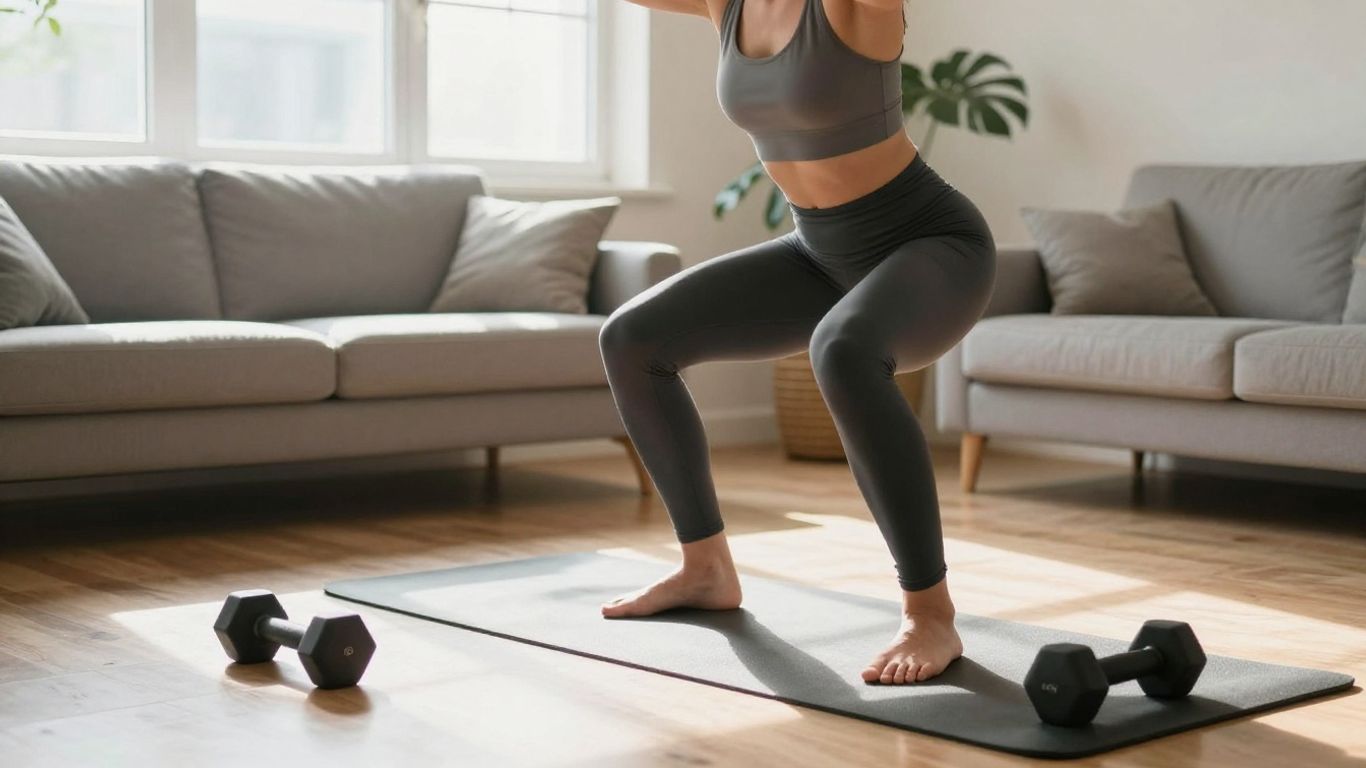
Alright, so you've got your space ready and maybe a few bits of gear. Now what? It's time to actually do something. Starting your first strength training routine at home doesn't need to be complicated. The goal here is to get your body moving and introduce it to the idea of working against resistance, whether that's just your own body weight or some light bands.
Warm-Up Movements to Prepare Your Body
Think of this as waking up your muscles. You don't want to jump straight into tough stuff when your body is still a bit sleepy. A good warm-up gets your blood flowing and your joints ready. It doesn't need to take ages, maybe 5 to 7 minutes is plenty.
- Marching in Place: Just lift those knees, get your arms swinging a bit. It's like a gentle wake-up call for your whole body.
- Arm Circles: Small circles forward, then backward. Then make them bigger. This gets your shoulders moving.
- Leg Swings: Hold onto a wall or chair for balance and swing one leg forward and back, then side to side. Switch legs.
- Torso Twists: Stand with your feet shoulder-width apart and gently twist your upper body from side to side. Keep your hips relatively still.
Core Strength Training Exercises
Your core is like the foundation of your body. Strong abs and back muscles help with pretty much everything you do. For beginners, focusing on holding positions is a great way to start.
- Plank: Get into a push-up position, but rest on your forearms instead of your hands. Keep your body in a straight line from head to heels. Don't let your hips sag or pike up. Start with holding for 20-30 seconds. If that's too much, you can do it on your knees.
- Glute Bridges: Lie on your back with your knees bent and feet flat on the floor. Lift your hips off the ground, squeezing your glutes at the top. Lower back down slowly. Aim for 10-15 reps.
Lower Body Strength Exercises
We use our legs for so much, so building strength here is a big win. Bodyweight exercises are perfect for getting started.
- Bodyweight Squats: Stand with your feet about shoulder-width apart. Lower your hips as if you're sitting back into a chair, keeping your chest up and back straight. Go as low as you comfortably can, then push back up through your heels. Aim for 10-15 reps.
- Wall Sit: Find a wall and slide down until your knees are bent at about a 90-degree angle, like you're sitting in an invisible chair. Keep your back flat against the wall. Hold this position for 30 seconds. It's tougher than it looks!
Upper Body Strength Exercises
Don't forget your arms, chest, and back! You can do a lot with just your body weight or some simple equipment.
- Incline Push-Ups: This is a push-up variation that's easier on your wrists and shoulders. Stand facing a sturdy surface like a counter or table. Place your hands on the edge, slightly wider than shoulder-width apart. Step your feet back so your body is at an angle. Lower your chest towards the edge, then push back up. Aim for 8-12 reps.
- Bent-Over Rows (with bands or light weights): If you have resistance bands or light dumbbells, stand with your feet hip-width apart, knees slightly bent. Hinge forward at your hips, keeping your back straight. Let the bands or weights hang down. Pull them up towards your chest, squeezing your shoulder blades together. Lower back down with control. Do 10 reps.
Remember, the goal isn't to be perfect on day one. It's about showing up and doing the work. Listen to your body, and don't push through sharp pain. A little soreness the next day is normal, but sharp, sudden pain is a sign to stop.
After you finish your exercises, take a few minutes to cool down with some gentle stretching, holding each stretch for about 20-30 seconds. This helps your body recover.
Mastering Proper Form and Technique
Getting the movements right is super important when you're starting out with strength training at home. It's not just about lifting weights or doing a certain number of reps; it's about making sure you're actually working the muscles you intend to and, more importantly, not hurting yourself. Think of it like learning to cook – you can follow a recipe, but if you don't know how to chop an onion properly, you might end up with a mess and maybe a cut finger. Strength training is similar; good form is your safety net and your effectiveness booster.
The Importance of Controlled Movements
When you're starting, it's easy to rush through exercises. You might be tempted to swing your arms or use momentum to get that last rep in. But slow, controlled movements are key to building strength safely and effectively. This means really focusing on the muscle you're supposed to be working. For example, when you do a squat, don't just drop down and pop back up. Control the descent, feel your muscles working, and then push back up with purpose. This controlled tempo helps you build a better mind-muscle connection, meaning you'll actually feel the exercise working where it should.
Focusing on Bodyweight Exercises First
Before you even think about adding weights, get really good at the bodyweight versions of exercises. Things like squats, lunges, push-ups (even modified ones on your knees or against a wall), and planks are fantastic starting points. They teach your body how to move correctly and build a solid foundation of strength and stability. Trying to lift heavy weights with bad form is a recipe for injury. Master the basics first; the weights can come later.
Here’s a quick look at some beginner bodyweight moves and what they target:
- Squats: Great for your quads, hamstrings, and glutes. Focus on keeping your chest up and your back straight.
- Lunges: Works your legs and glutes, and also helps with balance. Step forward or backward, keeping your front knee behind your toes.
- Push-ups (modified): Targets your chest, shoulders, and triceps. Start on your knees or against a wall if a full push-up is too tough.
- Plank: Builds core strength. Keep your body in a straight line from head to heels, engaging your abs.
Common Beginner Mistakes to Avoid
We all make mistakes when we're learning something new, and strength training is no different. Being aware of common pitfalls can help you sidestep them.
- Ignoring Warm-ups and Cool-downs: Jumping straight into intense exercise without preparing your body is a bad idea. Similarly, skipping the cool-down can leave you feeling stiff. Always dedicate a few minutes to warming up and cooling down.
- Holding Your Breath: It's common to hold your breath when you're straining. Try to breathe out during the hardest part of the movement (like pushing up in a push-up) and breathe in during the easier part (like lowering down). This helps with blood flow and keeps you from feeling lightheaded.
- Comparing Yourself to Others: Everyone starts somewhere. What works for someone else might not be right for you, and that's okay. Focus on your own progress and celebrate your small wins.
The goal isn't to be perfect from day one. It's about showing up, trying your best, and learning as you go. Be patient with yourself, listen to your body, and focus on making small, consistent improvements. That's how real, lasting strength is built.
Progressing Your Strength Training Journey
So, you've been hitting those home workouts, feeling a bit stronger, and maybe even noticing your clothes fitting a little differently. That's awesome! But now what? Sticking with the same routine forever can get boring, and honestly, your body will eventually stop changing if you don't give it new challenges. It's time to think about how to keep moving forward.
When to Increase Reps and Sets
This is usually the first step most people take. If you're breezing through your current number of repetitions (reps) or the number of times you do a set of exercises, it's a good sign your muscles are adapting. A general rule of thumb is to increase your reps by one or two each week, or add another set once you can comfortably complete your target reps for all sets. For example, if you're aiming for 10 squats and you can easily do 12 for three sets, consider bumping it up to 11 or 12 for three sets next time, or even adding a fourth set.
Introducing Resistance Safely
Once bodyweight exercises feel manageable, it's time to think about adding some extra weight. This doesn't mean you need to run out and buy a whole gym's worth of equipment. Start small. Resistance bands are super versatile and don't take up much space. You could also use household items like a sturdy backpack filled with books or water bottles. If you're ready for dumbbells, begin with a lighter pair. The key is to add just enough resistance to make the last few reps of each set feel challenging, but not so much that your form breaks down. You might want to check out some simple exercises designed for beginners starting with resistance.
The 2-for-2 Rule for Progression
This is a neat little trick to help you know when it's time to increase the weight. The 2-for-2 rule says that if you can complete two more repetitions than your target number for an exercise, on two consecutive workouts, then it's time to add a little more weight. So, if your goal is 8 reps and you manage to do 10 reps on your last set for two workouts in a row, go up in weight for the next session. This ensures you're not increasing weight too soon or too late.
Keeping Workouts Fresh and Challenging
Plateaus happen, and boredom is a real thing. To keep things interesting and to keep your body guessing, try a few things:
- Vary your exercises: Instead of standard squats, try jump squats or goblet squats. For push-ups, try incline or decline variations.
- Change your tempo: Slow down the lowering (eccentric) part of a movement. This increases time under tension, which is great for muscle growth.
- Try different rep ranges: If you usually do 8-12 reps, try a phase of 15-20 reps for endurance, or even lower reps (5-6) with heavier weight if you've introduced it safely.
- Incorporate new movements: Look for exercises that target muscles you haven't focused on as much, or try compound movements that work multiple muscle groups at once.
Remember, consistency is more important than intensity when you're starting out. Pushing too hard, too soon, can lead to injury and burnout. Listen to your body, celebrate small victories, and enjoy the process of getting stronger.
Benefits Beyond Physical Strength
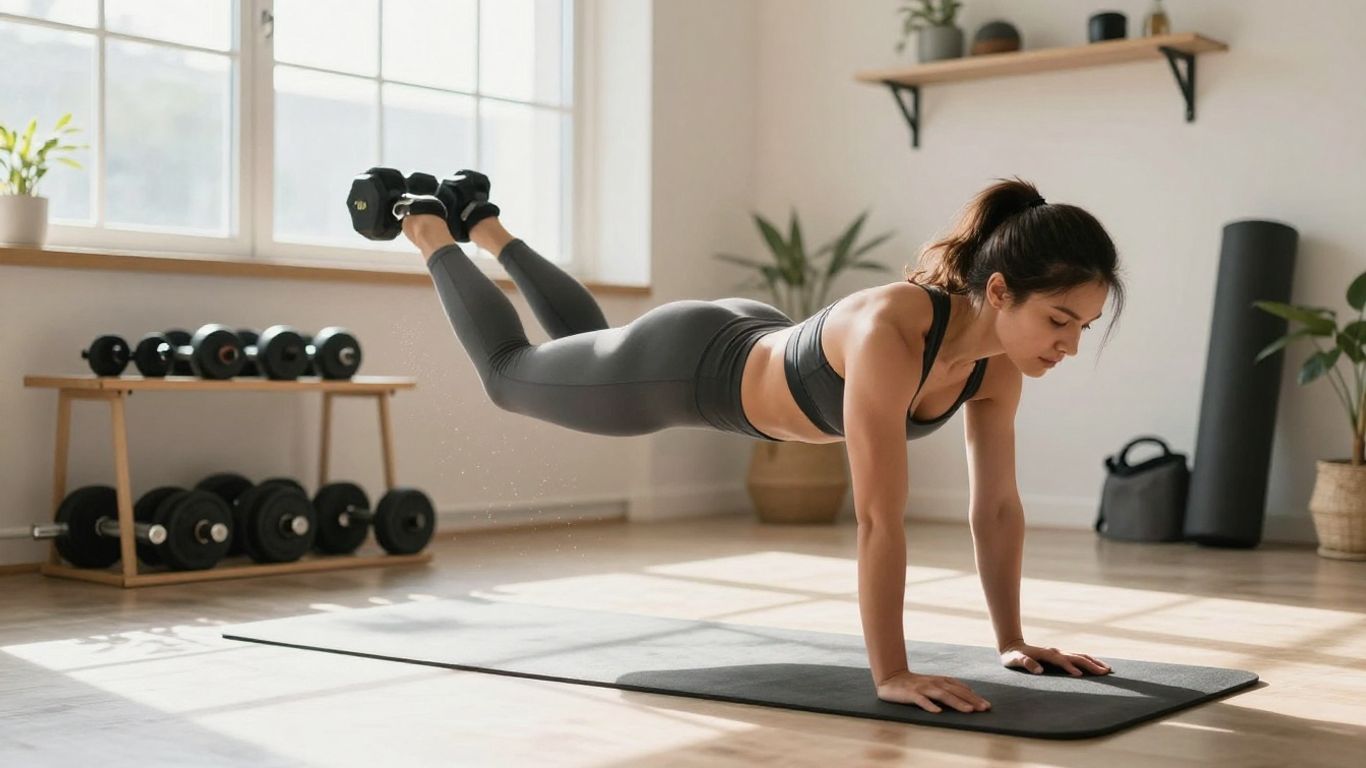
Boosting Metabolism and Calorie Burn
When you build more muscle through strength training, your body becomes a more efficient calorie-burning machine, even when you're just sitting around. Muscle tissue requires more energy to maintain than fat tissue. So, the more lean muscle you have, the higher your resting metabolic rate will be. This means you'll be burning more calories throughout the day, which can be a big help if you're trying to manage your weight. Plus, those tough workouts themselves require a good amount of energy, and your body keeps burning calories even after you've finished your last rep, a phenomenon often called the
Your Strength Journey Starts Now
So, you've made it through the guide! Remember, starting strength training at home doesn't need to be complicated or intimidating. You've learned that you can begin with just your body weight and simple movements, gradually adding resistance as you get stronger. The most important thing is to just get started and stay consistent. Don't worry about being perfect; focus on showing up for yourself, listening to your body, and celebrating those small wins along the way. Building strength is a marathon, not a sprint, and you've just taken the first, most important step. Keep going, and you'll be amazed at what you can achieve right from your own home.
Frequently Asked Questions
Do I really need special equipment to start working out at home?
Not at all! You can start building strength using just your own body weight. Exercises like squats, push-ups, and planks require no equipment. As you get a bit stronger, you might want to get a yoga mat for comfort or maybe some resistance bands or a pair of dumbbells, but it's not necessary to begin.
How often should I do strength training when I'm just starting?
For beginners, aiming for 2 to 3 strength training sessions per week is a great starting point. It's important to give your muscles time to rest and recover between workouts, so try not to do them on back-to-back days.
What's the most important thing to remember when doing exercises?
The most crucial thing is to focus on doing the movements correctly. This is called 'proper form.' It helps you get the most out of the exercise and, more importantly, keeps you from getting hurt. It's better to do fewer reps with good form than many reps with bad form.
How do I know when it's time to make my workouts harder?
There are a few signs. If you find you can easily do more repetitions than planned for an exercise, or if the exercise starts to feel too easy, it might be time to increase the number of reps, add another set, or introduce a little more weight or resistance.
Will strength training help me lose weight?
Yes, it can definitely help! Building muscle makes your body burn more calories even when you're resting. Plus, when you combine strength training with a healthy diet, it's a powerful way to manage your weight and get leaner.
What if I feel sore after my workouts?
A little soreness, especially when you're new to exercising, is totally normal. It means your muscles are getting stronger. Make sure you're drinking enough water, getting enough sleep, and doing a gentle cool-down stretch after your workouts. If the soreness is severe or lasts for many days, you might be pushing too hard too soon.


0 comments