










Finding a good workout plan can feel like searching for a needle in a haystack, right? Especially when you want something free and something you can actually use. Well, good news! There's a whole world of free workout plans PDF options out there, ready for you to download and get started. Whether you're at home, in the gym, or on the go, these plans are designed to fit your life and your goals. Let's figure out how to find the best ones for you.
Key Takeaways
- You can find a huge variety of free workout plans in PDF format online.
- These plans cover all sorts of fitness goals, from building muscle to losing weight.
- There are options for every fitness level, from total beginners to seasoned athletes.
- You can choose workouts based on how you like to split your training days or which muscles you want to focus on.
- Many plans are available for different equipment setups, including bodyweight-only routines.
Discover Your Perfect Free Workout Plans PDF
Finding the right workout plan can feel like searching for a needle in a haystack, especially when you're trying to do it all for free. But don't worry, there's a whole world of free workout plans out there, just waiting for you to download and get started. The key is knowing where to look and what to look for.
Explore a Vast Database of Routines
Think of it like a giant library, but instead of books, it's filled with different ways to move your body and get stronger. You can find routines for pretty much anything you can imagine. Whether you want to build muscle, lose weight, or just feel more energetic, there's a plan designed for that. It's amazing how many options are available when you start looking. You can even find downloadable full body workout plans in PDF format to help you achieve your fitness goals. Downloadable plans make it super easy to keep track of your progress.
Find Plans for Every Fitness Goal
No two people are the same, and neither are their fitness goals. That's why the best free workout plans are categorized by what you want to achieve. Some common goals include:
- Muscle Building: Focuses on lifting heavier weights and progressive overload to increase muscle mass.
- Weight Loss: Combines cardio and strength training to burn calories and boost metabolism.
- Endurance: Emphasizes cardiovascular health and stamina through activities like running or cycling.
- Flexibility & Mobility: Includes stretching, yoga, and dynamic movements to improve range of motion.
Accommodate All Experience Levels
It doesn't matter if you're just starting out or you've been working out for years. There are plans for everyone. Beginners might find plans with simpler movements and fewer sets, while advanced users can tackle more complex routines. It's all about finding a plan that challenges you without being impossible. For example, if you're over 50, there are specific plans designed to safely build muscle while protecting your joints. Workouts for men over 50 are a great example of this tailored approach.
Remember, consistency is more important than intensity when you're starting out. A plan you can stick to is always better than a perfect plan you abandon after a week.
Tailor Your Training with Specific Splits
Workouts Based on Split Types
When you're looking to get serious about your fitness, figuring out how to structure your week is key. That's where workout splits come in. Instead of hitting your whole body every time, a split means you focus on different muscle groups on different days. This lets you give each area the attention it needs and also gives your muscles time to recover before you work them again. Think of it like this: you wouldn't try to paint your whole house in one go, right? You'd do walls, then trim, then maybe the ceiling. Training your body works best with a similar approach.
There are tons of ways to split up your workouts. Some people like a simple two-day split, hitting upper body one day and lower body the next. Others prefer a three-day split, maybe focusing on push muscles (chest, shoulders, triceps), pull muscles (back, biceps), and legs. For those who want to train more often or focus on specific areas, a four-day split is popular. You might see plans like this available as a free downloadable PDF calendar.
Targeted Muscle Group Training
Splits are fantastic because they let you really zero in on specific muscles. If you feel like your arms are lagging, you can design a split that hits biceps and triceps more frequently or with more intensity. Or maybe you want to build a stronger back; you can dedicate a whole day to back exercises. This targeted approach helps you make progress where you want it most. It's all about working smarter, not just harder.
Here's a quick look at how some common splits target muscles:
- Upper/Lower Split: Hits everything above the waist one day, and everything below the waist the next. Good for beginners or those with less time.
- Push/Pull/Legs Split: Divides workouts into pushing movements, pulling movements, and leg exercises. This is a very common and effective split.
- Body Part Split: Dedicates each workout day to a specific muscle group, like chest day, back day, leg day, etc. Often used by more advanced lifters.
Optimize Your Recovery
One of the biggest benefits of using a split routine is that it helps you avoid overtraining. When you work a muscle group intensely, it needs time to repair and grow. If you hit that same muscle group again too soon, you can actually hinder your progress and increase your risk of injury. A well-designed split ensures that you have rest days built in for specific muscles, allowing them to recover fully. This is super important for seeing results and staying consistent with your training. A 16-week program designed for fat loss and muscle building often incorporates specific recovery periods within its split structure.
Proper recovery isn't just about resting; it's an active part of the muscle-building process. During rest, your body repairs muscle fibers, making them stronger and larger. Skipping rest days or not allowing enough time between workouts for the same muscle groups can lead to burnout and stalled progress.
Choose a Training Style That Suits You
Explore Different Training Styles
When you're looking for a free workout plan PDF, it's not just about picking any routine. You've got to think about what kind of training actually clicks with you. Some people love the grind of lifting heavy weights, while others prefer the flow of bodyweight movements or the intensity of high-rep circuits. Finding a style you enjoy is half the battle in sticking with it. Think about what motivates you. Do you like structured, progressive overload like you might find in a strength-focused program? Or maybe you're more into the variety and challenge of something like CrossFit or HIIT? There are plans out there for pretty much every preference.
Here are a few common training styles you'll see:
- Strength Training: Focuses on lifting heavy weights for fewer reps to build muscle and power.
- Hypertrophy Training: Aims to increase muscle size through moderate weights and higher rep ranges.
- Endurance Training: Uses lighter weights or bodyweight for higher repetitions to improve stamina.
- Cardiovascular Training: Activities like running, cycling, or swimming to improve heart health and burn calories.
- Flexibility & Mobility: Workouts focused on improving range of motion and preventing injury.
Find Plans Based on Your Preferences
Once you know what kind of training you're drawn to, you can start filtering your search. If you're someone who gets bored easily, look for plans that offer variety or incorporate different types of exercises. Maybe a program that mixes strength days with active recovery or cardio sessions would be a good fit. On the flip side, if you thrive on routine and seeing steady progress in one specific area, a more focused plan might be better. For example, if your main goal is to get stronger, you'll want to look for programs that prioritize compound lifts and progressive overload. If you're looking to build lean muscle, you might check out an 8-week muscle-building program designed for adults over 40.
Don't feel pressured to pick the
Master Your Reps and Sets
Understand Rep-Set Schemes
When you look at a workout plan, you'll see numbers like '3x10' or '4x8'. These tell you how many times to do a specific exercise (reps) and how many groups of those reps to complete (sets). Getting this right is pretty important for seeing results, whether you're trying to build muscle or just get stronger.
- Lower Reps (1-6): This range is usually for building maximum strength. Think heavy weights, fewer reps. It's tough work, but it really pushes your limits.
- Mid-Range Reps (7-12): This is the sweet spot for muscle growth, also known as hypertrophy. You're lifting a weight that challenges you by the last couple of reps, but you can still complete the set.
- Higher Reps (12+): This range is often used for muscular endurance. You'll be able to do more reps with a lighter weight, helping your muscles work for longer periods.
The key is to pick a rep range that matches your specific fitness goal.
Programs Based on Rep-Set Structure
Different workout programs are built around specific rep and set schemes. For example, a strength-focused plan might have you doing fewer sets of 3-5 reps for compound lifts, while a plan aimed at building muscle size might use 3-4 sets of 8-12 reps for most exercises. Some plans even mix these ranges within a single workout to hit different energy systems and muscle fiber types. It's all about structuring the work to get the desired outcome. You can find some great full body workout plans PDF that detail these structures.
Understanding how reps and sets work together is like knowing the recipe for your fitness goals. Too much or too little of one ingredient can change the whole outcome. It's not just about lifting weights; it's about lifting them with purpose and the right amount of effort for what you want to achieve.
For instance, if you're aiming for pure strength, you might see programs with 5 sets of 5 reps (5x5). If muscle size is the main objective, a common structure is 3 sets of 10 reps (3x10). These aren't just random numbers; they're chosen based on how muscles respond to different types of stress. You can find plans like the 12-week at-home workout plan that often outline these specific rep and set schemes for you.
Explore Latest Workout Programs
Looking for some fresh ideas to shake up your fitness routine? We've rounded up a few popular programs that people are talking about. These are designed to give you structure and push you a bit further, whether you've got a few weeks or a few months to commit.
30-Day Dumbbell Calisthenics Workout Plan
This plan is great if you want to build strength and muscle using just dumbbells and your own bodyweight. It's a solid option for getting a full-body workout without needing a gym. You'll find a good mix of exercises that target different muscle groups throughout the month. It's a straightforward way to get consistent results.
12-Week Henry Cavill Inspired Workout Plan
Ever wondered how actors get into shape for their roles? This 12-week plan is inspired by the kind of training that helps build that kind of physique. It's a longer-term commitment, broken down into phases to help you progressively get stronger and build muscle. This is for someone who's ready to really dedicate themselves to a significant transformation. You can find a full body workout plan PDF that covers similar principles.
8-Week Chris Hemsworth Inspired Workout Plan
Similar to the Henry Cavill plan, this 8-week program draws inspiration from the training routines used to achieve a powerful, athletic build. It's a bit shorter, making it a good choice if you're looking for a substantial change in a couple of months. Expect a challenging but rewarding experience.
4-Week Pamela Reif Workout Plan
If you prefer shorter, focused programs, this 4-week plan is a good pick. Pamela Reif's workouts are known for being effective and often require minimal equipment, making them super accessible. This plan is great for a quick boost or to kickstart a new fitness habit. It's a good way to see progress in a short amount of time.
These programs offer different timelines and approaches, so you can pick one that best fits your current goals and how much time you want to invest. Remember to listen to your body and adjust as needed.
Here's a quick look at what these programs generally involve:
- 30-Day Dumbbell Calisthenics: Focuses on compound movements and bodyweight exercises.
- 12-Week & 8-Week Celebrity Plans: Often involve progressive overload, higher volume, and structured splits.
- 4-Week Pamela Reif Plan: Typically includes a variety of cardio, strength, and flexibility exercises.
Choosing one of these can give you a clear path forward. For more options, check out our comprehensive guide to workout plans.
Achieve Your Fitness Goals with Free Plans
Workouts Tailored by Fitness Goal
No matter what you're trying to accomplish with your fitness journey, there's a free workout plan out there for you. It's not just about getting stronger or losing a few pounds; it's about finding a sustainable routine that fits your life. Having a clear goal makes sticking to a plan so much easier.
Plans for Muscle Building
If packing on muscle is your main objective, you'll want to look for programs that focus on progressive overload and compound movements. These plans often involve lifting heavier weights for lower rep ranges, with adequate rest between sets to allow for muscle repair and growth. Think about routines that hit major muscle groups multiple times a week, giving them enough stimulus to grow but also enough time to recover.
Routines for Weight Loss
For those aiming to shed pounds, the focus shifts slightly. While strength training is still important for maintaining muscle mass, cardio and calorie expenditure become bigger factors. Look for plans that incorporate a mix of high-intensity interval training (HIIT), steady-state cardio, and full-body strength workouts. These routines are designed to burn calories efficiently both during and after your workout.
Remember, consistency is key. Even the best plan won't work if you don't follow it. Find a routine you genuinely enjoy, or at least tolerate, to make it a long-term habit.
Here's a quick look at how different goals might be addressed:
- Muscle Building: Higher weight, lower reps (e.g., 6-10 reps), focus on compound lifts, sufficient protein intake.
- Weight Loss: Mix of cardio and strength, moderate reps (e.g., 10-15 reps), focus on calorie deficit, adequate hydration.
- General Fitness: Balanced approach with a variety of exercises, moderate intensity, focus on consistency and overall well-being.
Finding the right plan can feel overwhelming, but breaking it down by your specific goal makes it much more manageable. You can find some great options for a full body workout plan PDF that can be adapted for various objectives.
Select Workouts by Difficulty Level
Finding the right workout plan is like picking the right tool for a job. You wouldn't use a sledgehammer to hang a picture, right? The same goes for fitness. Starting too hard can lead to burnout or injury, while something too easy won't give you the results you're looking for. That's why sorting workouts by difficulty is super important.
Beginner-Friendly Free Workout Plans PDF
If you're just starting out, the goal is to build a solid foundation. These plans focus on learning proper form and gradually increasing your stamina. Think of it as learning the alphabet before writing a novel. You'll find routines that are less intense, with simpler movements and fewer sets. This helps your body adapt without getting overwhelmed.
- Focus on mastering basic movements.
- Gradual progression to avoid injury.
- Builds confidence and consistency.
Intermediate Training Programs
Once you've got the basics down, it's time to step it up a notch. Intermediate plans introduce more complex exercises, higher intensity, and often more volume. You're probably comfortable with most common exercises and ready to challenge yourself a bit more. This is where you start seeing more significant changes in strength and muscle definition. Many people find this level to be the sweet spot for consistent progress. You might be looking at plans that incorporate more advanced techniques or require a bit more time commitment. For example, a year-long calisthenics program like this one could be a great fit here, offering progressive challenges.
Advanced Fitness Challenges
For those who have been training for a while and have a strong base, advanced plans are designed to push your limits. These workouts often involve high intensity, advanced techniques, and significant volume. They might incorporate supersets, drop sets, or more demanding exercise variations. The key here is to continue challenging your body to adapt and grow. These programs are not for the faint of heart and require a good understanding of your body's capabilities and recovery needs. It's important to remember that advanced training methods, like FST-7, are generally not recommended for beginners due to their intensity as noted here.
When selecting an advanced plan, listen to your body. Overtraining is a real risk, and recovery becomes just as important as the workout itself. Don't be afraid to adjust intensity or take extra rest days if needed. Progress isn't always linear, and smart training beats pushing through pain every time.
Train with Available Equipment
Workouts Requiring Minimal Equipment
Sometimes you don't have access to a full gym, or maybe you just prefer to keep things simple. That's totally fine! There are tons of effective workouts you can do with very little gear. Think resistance bands, a jump rope, or even just your own bodyweight. These plans are great for travel, busy days, or when you're just starting out and don't want to invest in a lot of equipment yet. The key is consistency, not fancy machines. You can get a great workout in your living room, a park, or a hotel room.
Bodyweight Exercise Plans
Bodyweight training is amazing because your body is the only equipment you need. You can build strength, improve endurance, and increase flexibility all using your own weight for resistance. Think push-ups, squats, lunges, planks, and burpees. These exercises can be modified to be easier or harder, making them suitable for everyone. You can find plans that focus on full-body routines or target specific muscle groups. It's a really adaptable way to train.
Here's a quick look at how you might structure a bodyweight workout:
- Warm-up: 5-10 minutes of light cardio (like jogging in place) and dynamic stretches (like arm circles).
- Workout Circuit: Perform 3-4 rounds of the following exercises, resting 60-90 seconds between rounds:
- Squats: 15-20 reps
- Push-ups (on knees or toes): As many reps as possible (AMRAP)
- Lunges (alternating legs): 10-12 reps per leg
- Plank: Hold for 30-60 seconds
- Cool-down: 5 minutes of static stretching, holding each stretch for 20-30 seconds.
Dumbbell and Kettlebell Routines
If you have a pair of dumbbells or a kettlebell, you've got a whole new world of exercises open to you. These tools add resistance, allowing you to build muscle and increase strength more effectively than bodyweight alone. You can perform classic lifts like deadlifts, presses, and rows, or get creative with swings, cleans, and snatches. Many free workout plans focus specifically on dumbbell or kettlebell training, offering structured routines for different goals. These are fantastic for home gyms or adding variety to your gym sessions. You can find a full body workout plan PDF that incorporates these tools easily.
Working out doesn't need to be complicated or require a lot of gear. Simple tools like dumbbells or even just your own body can provide a challenging and effective workout. The most important thing is to find a plan that fits your current situation and stick with it.
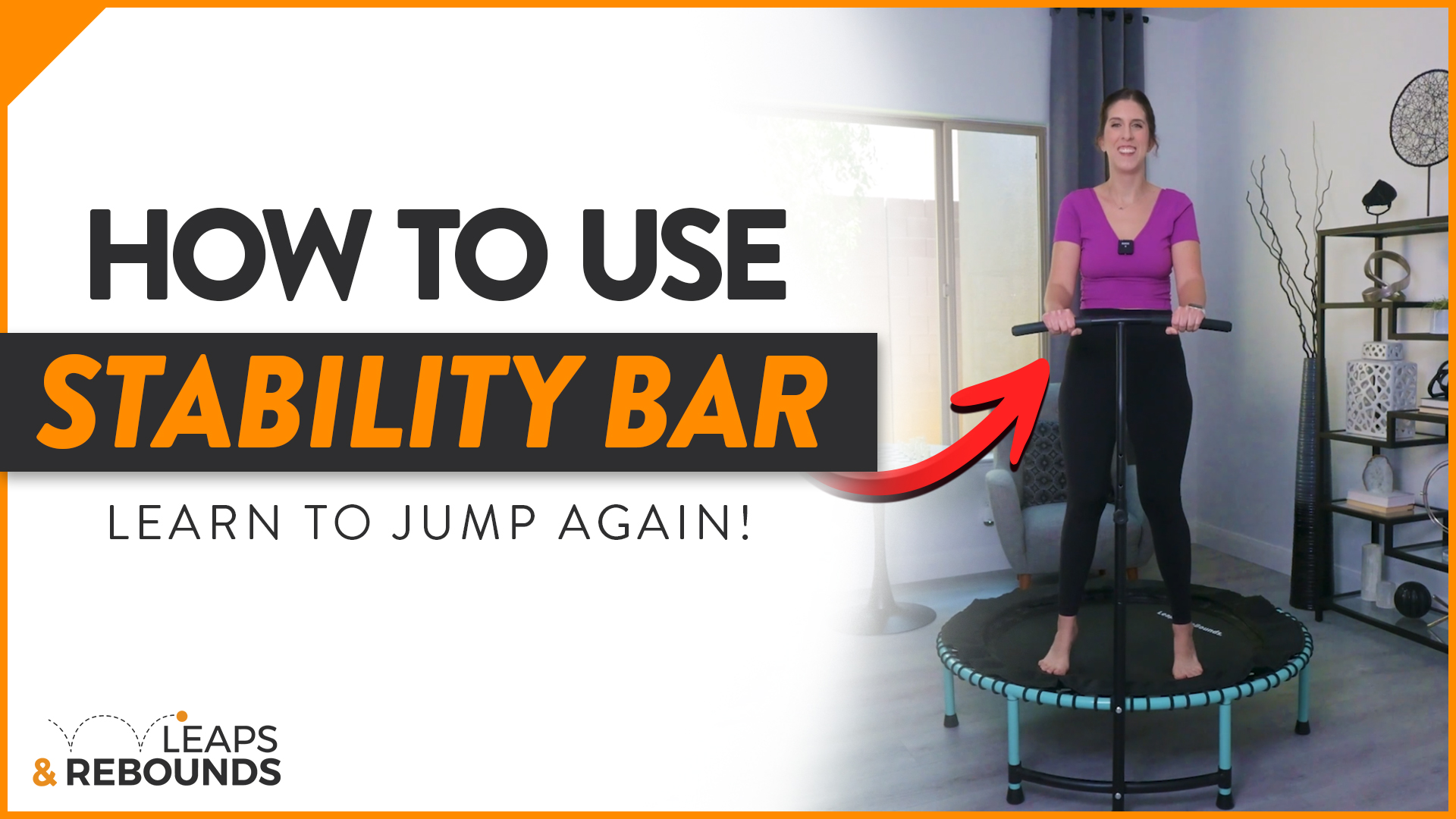
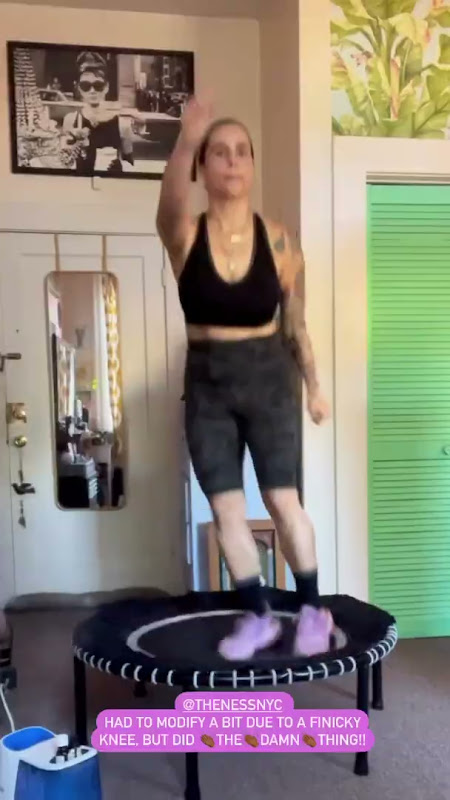
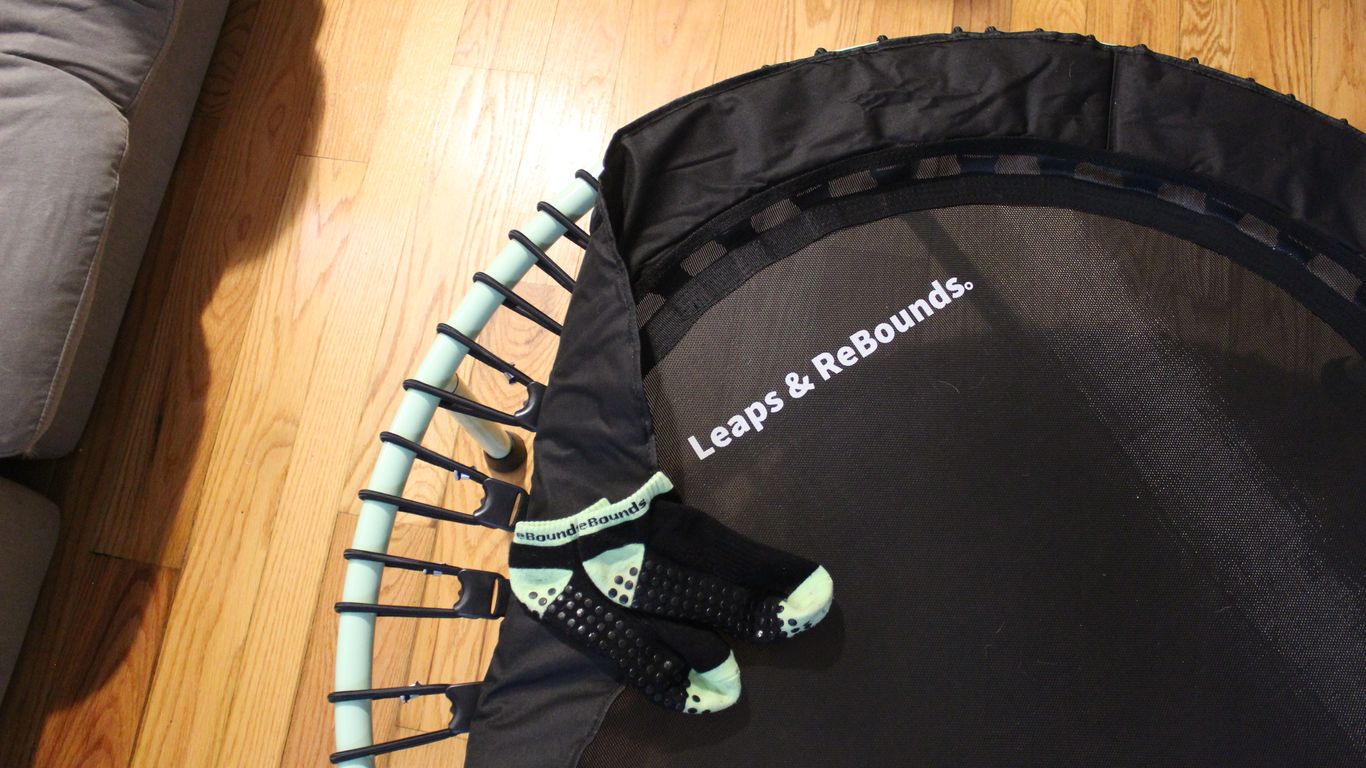
You don't need a fancy gym to get a great workout! Our mini trampoline lets you train effectively right at home, using just the equipment you already have. Ready to bounce your way to fitness? Visit our website to learn more and grab your own rebounder today!
Ready to Get Started?
So there you have it. Finding a workout plan that fits your life shouldn't be a struggle. With all these free PDF options out there, you can really get moving without spending a dime. Whether you're a beginner or you've been at it for a while, there's something for everyone. Pick one that looks good, download it, and just start. You don't need fancy equipment or a gym membership to make progress. Just a little bit of space, some motivation, and these handy guides. Go ahead, give it a try. Your future self will thank you.
Frequently Asked Questions
What is a free workout plan PDF?
It's a workout program you can download for free, usually as a PDF file. This means you can access it on your phone, tablet, or computer to exercise whenever and wherever you want, without needing a gym membership.
Can I really get fit with just a free workout plan?
Absolutely! Free workout plans offer a great starting point. They cover many fitness goals like building muscle or losing weight. Consistency is key, and these plans provide the structure you need to see results.
What if I'm a beginner?
No problem! Many free workout PDFs are designed for beginners. They often explain exercises clearly and start with simpler movements. You can find plans specifically made for people just starting their fitness journey.
Do I need special equipment for these workouts?
Not necessarily. Many free plans focus on bodyweight exercises, meaning you only need your own body! Others might use common items like dumbbells or resistance bands, which are easy to find or substitute.
How do I know which plan is right for me?
Think about your main goal, like getting stronger or losing weight. Also, consider how much time you have and what kind of exercises you enjoy. Most free plan descriptions will tell you who they are best suited for.
Are these plans as good as paid ones?
Free plans can be just as effective! They provide solid workouts that can help you achieve your fitness goals. The main difference is often the level of detail or personalization, but for many people, they are more than enough.


0 comments