
Have you ever considered that a simple bounce could actually make a big difference in your day? It sounds almost too easy, doesn't it? But there's a lot happening when you get on a rebounder. This article is going to break down why this mini-trampoline might be the missing piece in your fitness plan. We'll look at how it works on a tiny level, deep inside your cells, and how that leads to big changes for your energy, your body, and how you feel overall. Get ready to see how this fun activity can really help your fitness journey.
Key Takeaways
- Bouncing on a rebounder works every single cell in your body, helping to improve your overall health.
- The movement helps your body's natural system move fluids and clear out waste products.
- Rebounding is a great way to naturally increase your energy levels, perfect for a quick boost anytime.
- Regular use can lead to a healthier heart, better muscle tone, improved flexibility, and better balance.
- This form of exercise is gentle on your joints while still providing a good workout, making rebounding for fitness a sustainable choice.
Unlock Your Body's Potential With Rebounding
The Cellular Impact of Every Bounce
It might seem like just simple bouncing, but what's actually happening when you hop on a rebounder is pretty amazing. Your body is made up of trillions of cells, and each one gets a little workout with every jump. Think of it as a gentle, rhythmic massage for every cell, happening many times a minute. This constant flexing helps make your cells stronger and more resilient. It's not just about moving your body; it's about invigorating the very building blocks of your health.
Strengthening Your Body From Within
This cellular workout translates into real physical benefits. By strengthening your cells, you're building a more robust system from the inside out. This can lead to a feeling of being more energetic and capable. It's a way to improve your overall health without needing to do anything too strenuous.
Boosting Energy Levels Naturally
Rebounding is a fantastic way to naturally increase your energy. The movement helps improve circulation and gets more oxygen flowing throughout your body. This extra oxygen can make you feel more awake and alert, without the jitters you might get from caffeine. It's a great way to start your day or get a mid-afternoon pick-me-up.
Here's a quick look at how rebounding helps:
- Cellular Oxygenation: Increased oxygen supply to all cells.
- Lymphatic Flow: Helps move waste and toxins, reducing fatigue.
- Circulation Boost: Better blood flow delivers nutrients and oxygen more effectively.
- Endorphin Release: Natural mood and energy enhancers.
The simple act of bouncing up and down on a rebounder is a powerful way to revitalize your body. It's a low-impact exercise that works with gravity to stimulate your cells, improve circulation, and clear out waste. This cellular stimulation naturally leads to higher energy levels and a greater sense of well-being throughout the day.
It's a great way to get a good workout, and you can potentially burn a lot of calories. A vigorous session can potentially burn up to 1,000 calories, making it a high-intensity workout option that's also gentle on your joints.
The Science Behind The Bounce
Low-Impact, High-Intensity Benefits
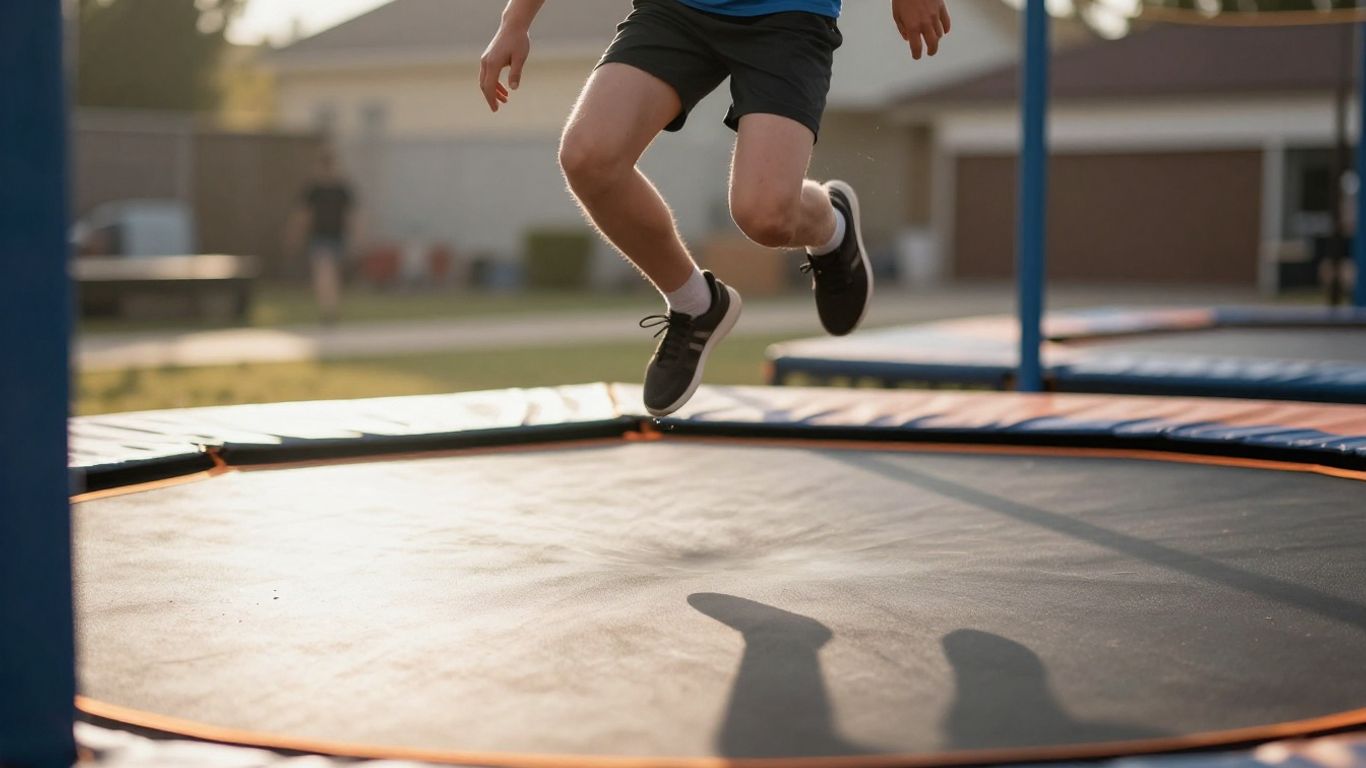
It might seem like just jumping up and down, but rebounding is actually a pretty smart way to get your heart rate up without pounding your joints. Unlike running or jumping on a hard surface, the rebounder absorbs a lot of the shock. This means you can push yourself harder and longer, getting a really good workout, but with way less stress on your knees, ankles, and back. It's kind of like getting the intensity of a high-impact activity with the gentleness of a low-impact one. Pretty neat, right?
Enhancing Cardiovascular Health
When you bounce, your heart has to work a bit harder to pump blood throughout your body. This consistent effort strengthens your heart muscle over time. Think of it as training your heart to be more efficient. Regular rebounding can lead to a stronger cardiovascular system, which is good for your overall health and can help lower blood pressure. It's a simple way to give your ticker a good workout.
Improving Circulation and Oxygen Flow
Every time you push off the mat and then land, you're creating a gravitational pull and release. This action helps move fluids, including blood and lymph, more effectively through your body. This improved circulation means more oxygen gets delivered to your cells, which can make you feel more energized and help your body function better. It's like giving your entire system a gentle, rhythmic boost, helping everything run more smoothly.
The rhythmic up-and-down motion of rebounding creates a unique G-force effect. This force helps to push blood and lymphatic fluid back towards the heart, aiding in waste removal and nutrient delivery to cells. It's a full-body cellular workout that's surprisingly gentle.
Rebounding for Lymphatic Health and Detoxification
Stimulating Natural Lymph Flow
Your lymphatic system is pretty amazing, but it doesn't have its own built-in pump like your blood does. It relies on movement to get things moving, and that's where rebounding really shines. Think of each bounce as a gentle squeeze that helps push lymph fluid through your body. This fluid is responsible for carrying away waste products and toxins from your cells. Without regular movement, this system can get sluggish, leading to that heavy, tired feeling.
Flushing Toxins and Waste Products
When you bounce on a mini-trampoline, you're essentially giving your entire body a gentle, rhythmic massage from the inside out. This motion helps to mobilize stagnant lymph fluid, allowing it to flow more freely. As this fluid moves, it picks up waste materials, cellular debris, and other unwanted substances from your tissues. This process is key to helping your body naturally cleanse itself. It's like giving your internal plumbing a much-needed flush, supporting your body's natural detoxification pathways.
Reducing Swelling and Heaviness
If you often feel puffy, bloated, or just generally heavy, especially in your limbs, it could be a sign that your lymphatic system needs a boost. Rebounding can be a fantastic way to address this. By improving lymph circulation, you help reduce the buildup of excess fluid in your tissues. Many people report feeling lighter and experiencing less swelling after incorporating regular rebounding sessions into their routine. It's a simple, low-impact way to help your body feel more comfortable and less bogged down.
Here's a quick look at how rebounding supports your lymphatic system:
- Gentle Pumping Action: Each bounce creates a G-force that helps move lymph fluid.
- Cellular Drainage: Aids in removing waste products from cells.
- Improved Flow: Encourages the circulation of lymph throughout the body.
- Reduced Congestion: Helps alleviate fluid buildup and puffiness.
Beyond Cardio: Full-Body Engagement
It's easy to think that bouncing on a mini trampoline is just about getting your heart rate up, but honestly, it's so much more. This simple movement actually works a surprising number of muscles all over your body. Your legs are doing the heavy lifting, obviously, but your core has to constantly tighten up to keep you stable. And if you add any arm movements, well, you're getting an upper body workout too!
Engaging Legs, Core, and Arms
Every single bounce requires your leg muscles to push off and absorb the landing. This isn't just a quick jog; it's a series of mini-squats and calf raises happening continuously. Meanwhile, your abdominal and back muscles are working overtime to maintain an upright posture and control your movements. Think of it as a constant, low-level plank. Even your arms can get involved, whether you're pumping them for momentum or incorporating arm circles and punches. It’s a surprisingly complete workout without feeling like one.
Improving Balance and Coordination
Staying balanced on a surface that's constantly moving is a skill. Rebounding forces your body to make micro-adjustments all the time. This constant stabilization work builds up your proprioception – that's your body's awareness of its position in space. Over time, you'll notice you feel steadier on your feet in everyday life. It's like training your brain and body to work together more efficiently, which can be a real game-changer, especially as we get older. You can find some great routines to help with this on bellicon LIVE.
Building Strength Without Joint Strain
One of the best parts about rebounding is how gentle it is on your joints. Unlike running or jumping on a hard surface, the trampoline mat absorbs a lot of the impact. This means you can get a really effective strength-building workout without the usual wear and tear on your knees, hips, and ankles. It’s a fantastic way to build muscle and bone density, which is super important for long-term health.
The continuous, multi-directional movement challenges your muscles in new ways, promoting functional strength that translates to better performance in other activities and daily life. It's about building resilience from the ground up.
Here’s a quick look at how different muscle groups benefit:
- Legs: Quadriceps, hamstrings, calves, and glutes are all actively engaged.
- Core: Abdominals, obliques, and lower back muscles work to stabilize your body.
- Arms & Shoulders: Engaged for balance and can be worked further with added movements.
- Glutes: Activated with each push-off and landing.
Transforming Your Fitness Journey
It's easy to think bouncing just hits your legs, but the truth is, this simple movement works almost every muscle group. Your legs drive the bounce, your core has to stay engaged for balance, and even your arms get in on the action if you add some movement. Staying upright while everything jiggles—yeah, that's real work too. Over time, you'll notice not just better strength, but also improved balance and even some newfound coordination. And let’s face it: exercise rarely feels this playful—and that’s half the reason folks keep coming back.
A Sustainable Approach to Exercise
Rebounding offers a way to exercise that you can actually stick with. It doesn't feel like a chore, which is a big deal when you're trying to build a habit. Plus, the low-impact nature means you're less likely to get injured, so you can keep going consistently. This consistency is what really makes the difference in the long run. You can start with short sessions, maybe 10-15 minutes, and gradually increase the time as you feel stronger. Mixing things up too! Doing the same routine every single day can get boring and might stop you from seeing new results. Try different types of bounces, add some arm movements, or even try simple exercises like squats or lunges while you bounce. It's about working smart, not just hard. Respecting your body's signals means you can keep exercising safely and consistently, reaping all the rewards without the setbacks.
Making Fitness Playful and Engaging
Who says working out has to be dull? Rebounding turns exercise into something that feels more like fun than work. It's a quick way to help your body feel recharged, and that feeling can carry you through the rest of your day. The playful nature of bouncing makes it easier to stay motivated. You're not just going through the motions; you're actively enjoying the movement. This shift in perspective can make all the difference in sticking to a fitness plan. It's pretty amazing how something so simple can offer so much.
Achieving Weight Loss and Toned Muscles
While it might seem simple, rebounding is a surprisingly effective tool for weight loss and muscle toning. The constant engagement of your core and leg muscles during each bounce helps build lean muscle mass. More muscle means a higher metabolism, which aids in burning calories even when you're not bouncing. You can structure your workouts to focus on different goals:
- Cardio Focus: Aim for longer periods of consistent bouncing to get your heart rate up.
- Strength Focus: Incorporate exercises like jumping jacks, high knees, or even controlled squats on the trampoline.
- Balance Focus: Try standing on one leg for short periods or doing slow, controlled movements.
The key is consistency; even just two minutes of rebounding daily offers significant, science-proven health benefits. It stimulates the lymphatic system, enhances bone density, and improves blood circulation, all contributing to a healthier, more toned physique. It's a quick and accessible way to boost overall physical well-being and achieve your fitness goals without putting extra strain on your joints. Engaging in just two minutes of rebounding daily offers significant, science-proven health benefits. This low-impact exercise effectively stimulates the lymphatic system, enhances bone density, and improves blood circulation. It's a quick and accessible way to boost overall physical well-being.
Integrating Rebounding Into Your Routine
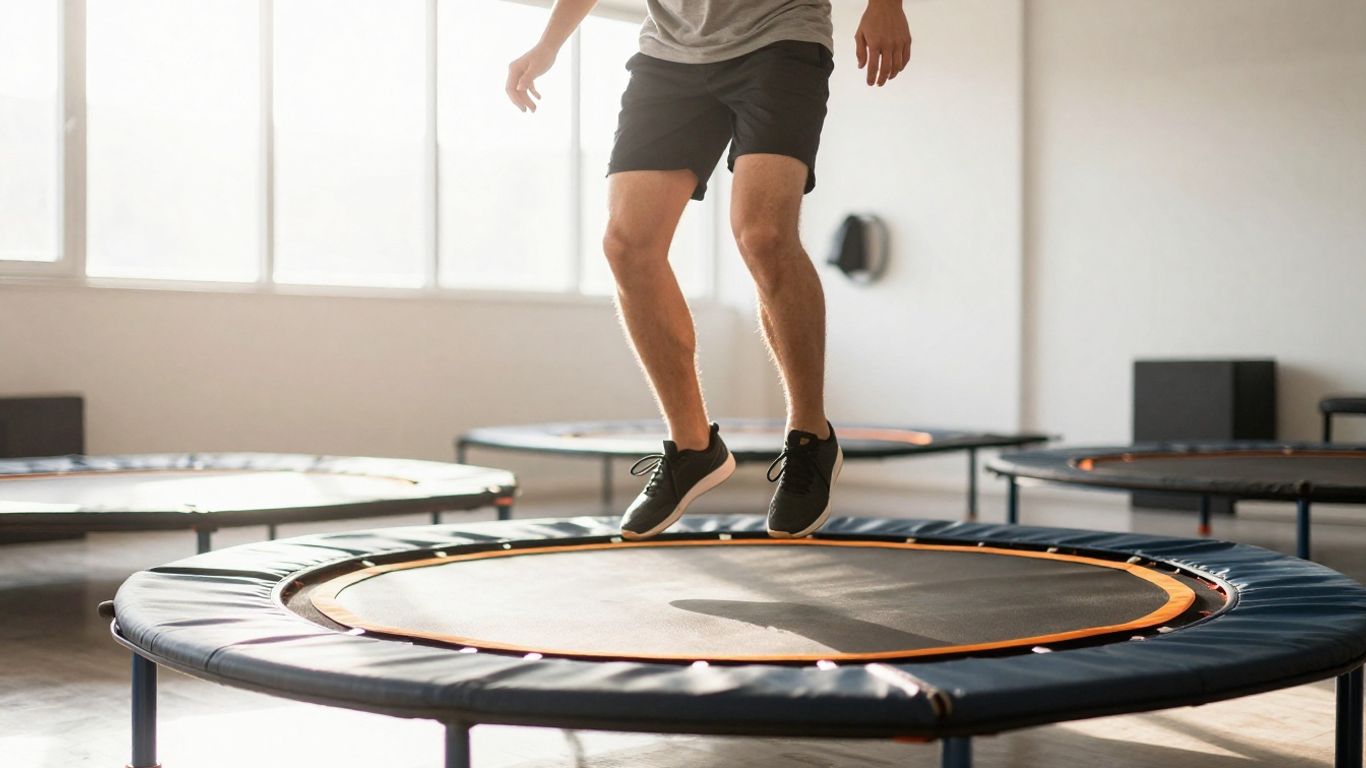
Adding rebounding to your day isn’t complicated, but there are a few things to keep in mind if you want to stick with it and actually see results.
Starting With Gentle Bounces
Don't be fooled by flashy routines—real progress starts with simple moves. Start with just 5–10 minutes of gentle bouncing. Keep your feet close to the mat and get used to finding your balance. These light jumps are enough to wake up your muscles and get your lymph moving.
- Pick a rebounder spot that's flat and clear from clutter.
- Wear comfortable clothes and, if needed, non-slip socks.
- Focus on light, steady bounces until the motion feels easy.
Most people find a few minutes each morning is enough to notice a difference in energy and mood. The trick is to keep it stress-free and not push for intensity right away.
Consistency for Optimal Results
Sticking to a regular schedule will turn rebounding from a quick trial into a true habit. Try to make bouncing part of your routine—same time each day, even if you start with five minutes after lunch or before your shower.
Here's a sample week to help you structure your new habit:
| Day | Time Spent Bouncing |
|---|---|
| Monday | 5 minutes (gentle) |
| Tuesday | 7 minutes (gentle) |
| Wednesday | 10 minutes (add arm swings) |
| Thursday | 10 minutes (slight bounce height) |
| Friday | 12 minutes (mix in side steps) |
| Saturday | 10 minutes (play a favorite song) |
| Sunday | 8 minutes (relaxed, slow bounces) |
Making Rebounding a Daily Habit
If you want rebounding to stick, try these ideas:
- Pair bouncing with another daily ritual like listening to music or a podcast—you’ll look forward to it.
- Set reminders on your phone for the first couple of weeks.
- Celebrate small milestones, like reaching your third week of daily bouncing.
It might sound odd, but the best fitness routines are the ones you barely notice you’re doing. Rebounding is one of those—fun, low-pressure, and something many people find themselves looking forward to, instead of dreading.
Ready to Bounce?
So, we've talked about how bouncing on a rebounder isn't just child's play. It's a surprisingly effective way to get your body moving, from the inside out. It helps your cells work better, gets your lymphatic system flowing, and can even give you a nice energy boost without feeling like a huge chore. It’s low-impact, which is great for your joints, and you can do it right at home. If you're looking for a simple, fun way to add more movement to your life and feel a bit better overall, giving a rebounder a try might just be the ticket. You might be surprised at how much a little bounce can do.
Frequently Asked Questions
What exactly is rebounding?
Rebounding is simply bouncing on a small trampoline, often called a rebounder. It's a way to move your body that works every single cell, helping you get stronger and healthier.
How does bouncing help my cells?
Your body has trillions of tiny cells. When you rebound, each cell gets a mini workout, flexing many times a minute. This makes your cells stronger and helps them get rid of waste, like a tiny cleanup crew inside you.
Can rebounding really give me more energy?
Yes! Bouncing helps your body take in more oxygen, which then travels to your brain and all over. This extra oxygen gives you a natural energy boost, making you feel more awake and ready to go.
Is rebounding good for my joints?
Definitely! Unlike running or jumping on hard surfaces, the trampoline absorbs most of the shock. This makes rebounding much easier on your knees, ankles, and hips, while still giving you a great workout.
How can rebounding help my lymphatic system?
Your lymphatic system helps clean out waste from your body, but it needs movement to work. The gentle bouncing on a rebounder acts like a pump for this system, helping it move fluids and get rid of toxins more easily.
Can I lose weight by rebounding?
Rebounding is a fantastic way to burn calories and can definitely help with weight loss. It gets your heart rate up and works your muscles, and because it's fun, you're more likely to stick with it consistently, which is key for seeing results.




0 comments