


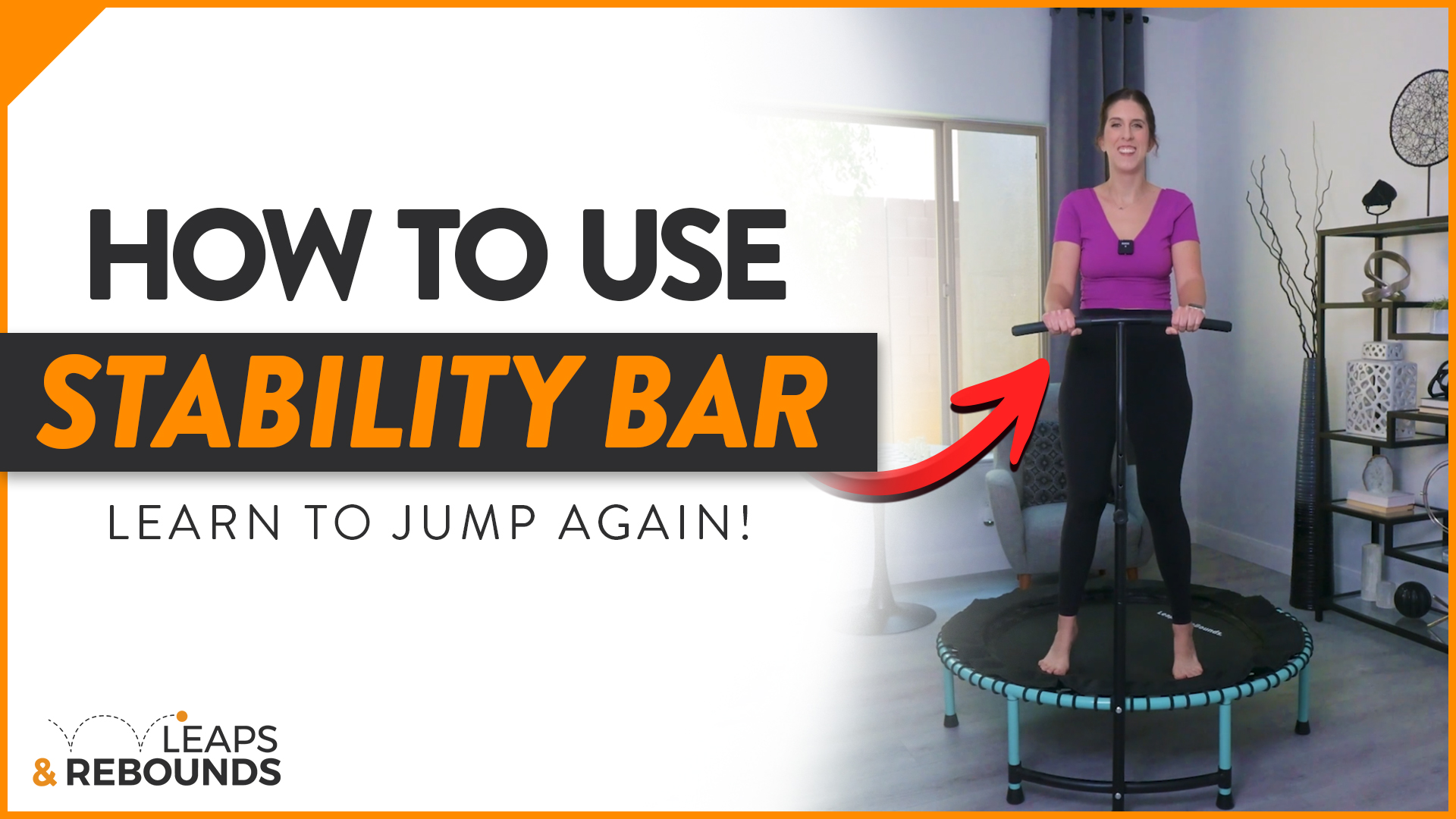










You've probably seen those mini trampolines around, and maybe you thought they were just for kids or a fun backyard toy. Well, surprise! Jumping on a mini trampoline, often called rebounding, is actually a fantastic way to get a full-body workout with a surprising number of health benefits. It's not just about bouncing; it's about giving your body a gentle yet effective boost in so many ways. We're going to look at some of the awesome benefits of trampoline bouncing that you might not have considered.
Key Takeaways
- Rebounding offers a low-impact cardio workout that's easy on your joints, promoting heart health and circulation.
- Jumping engages multiple muscle groups simultaneously, strengthening your core and improving overall body stability.
- The act of bouncing challenges your balance and coordination, which can help reduce the risk of falls.
- Trampoline bouncing stimulates the release of endorphins, helping to boost mood and reduce stress.
- Consistent bouncing can promote bone density and support the body's natural detoxification processes through lymphatic drainage.
A Joint-Friendly Cardiovascular Boost
Forget about pounding the pavement and putting your knees through the wringer. Rebounding, which is basically exercising on a mini trampoline, offers a really effective way to get your heart rate up without all the harsh impact. The bouncy surface does a great job of absorbing shock, making it much easier on your joints – think ankles, knees, and hips. This means you can get a solid cardio workout, improve how well your blood flows, and build up your stamina while being way kinder to your body. It’s a great choice if you're recovering from an injury, dealing with achy joints, or just want a more comfortable way to stay fit. You can find some great beginner routines to get you started with low-impact exercise.
Gentle Impact for Heart Health
Jumping on a mini trampoline is a fantastic way to get your heart pumping. It raises your heart rate into a zone that's great for building cardiovascular strength without being too intense. Regular rebounding sessions can lead to a stronger heart muscle and better blood circulation throughout your body. This means more oxygen-rich blood gets delivered to your organs and muscles, which can help you feel more energetic and reduce your risk of heart-related issues over time. It's a simple yet effective method to keep your ticker in good shape.
Improving Circulation and Endurance
When you bounce, your body works to keep you stable. This constant effort gets your blood moving more efficiently. Over time, this improved circulation means your muscles and organs get more oxygen, helping you feel less tired and more capable during daily activities. Building endurance on a trampoline means you can sustain physical activity for longer periods, whether it's during your bouncing sessions or other parts of your life.
Ideal for Injury Recovery
Because it’s so gentle on the joints, rebounding is often recommended for people who are healing from injuries. The controlled bouncing motion can help strengthen muscles around injured areas without causing further stress. It allows for a progressive return to activity, helping to rebuild strength and confidence. Always check with your doctor or physical therapist before starting any new exercise program, especially if you have a pre-existing condition or are recovering from an injury.
The key is consistency. Even short, regular sessions can yield significant benefits for your cardiovascular health and joint well-being.
Engaging Your Entire Body

Simultaneous Muscle Group Activation
When you hop on a mini-trampoline, it's not just your legs doing all the work. Seriously, it's a full-body affair. Every time you push off and land, your body has to work to keep you stable and upright. This means your core muscles – your abs and back – are constantly engaged, acting like a natural corset. But it doesn't stop there. Your arms might swing for balance, your glutes and thighs work to absorb the impact and push off, and even your smaller stabilizing muscles in your ankles and feet get a workout. It's like a coordinated dance where every part of you plays a role.
Strengthening Core Stability
Think about it: staying balanced on a bouncy surface requires a lot of subtle adjustments. Your core is the command center for all these adjustments. It has to fire up to prevent you from tipping over, whether you're doing simple up-and-down bounces or adding a little twist. This consistent engagement builds strength in your deep abdominal and back muscles, which is super important for good posture and can even help reduce those nagging back aches. It’s a much more dynamic way to build core strength than just doing crunches.
Full-Body Workout Benefits
Because so many muscle groups are working together, rebounding offers a really efficient way to get a workout. You're not just targeting one area; you're getting a bit of everything. This kind of integrated movement helps improve your overall physical coordination and can make everyday activities feel easier. Plus, the more muscles you involve, the more calories you tend to burn, which is a nice bonus.
The constant need to adjust your balance while rebounding engages muscles you might not even know you have, leading to improved posture and a more resilient body overall.
Here's a quick look at how it engages your body:
- Core: Abdominals and lower back muscles work to stabilize your torso.
- Legs: Quads, hamstrings, calves, and glutes are engaged for jumping and landing.
- Arms & Shoulders: Often used for balance and momentum.
- Stabilizing Muscles: Smaller muscles in your feet, ankles, and hips work overtime to keep you steady.
Enhancing Balance and Coordination
You know how sometimes you just feel a bit wobbly, especially if you've been sitting for a while? Bouncing on a mini trampoline is a surprisingly effective way to combat that. Every time you go up and then come back down, your body has to make tiny, almost automatic adjustments to keep you from tipping over. It’s like a constant, low-key workout for your inner ear and the small muscles that help you stay upright.
Challenging Proprioception
Proprioception sounds fancy, but it's basically your body's built-in GPS. It's how you know where your arms and legs are without looking. When you're bouncing, especially if you add a little twist or turn, you're really making that system work. Your brain has to quickly tell your muscles what to do to keep you stable. This constant feedback loop gets better and better with practice.
Improving Body Awareness
Because you're constantly adjusting your position on the trampoline, you start to get a better feel for your own body. You become more aware of how you move and how to control those movements. This isn't just about not falling off the trampoline; it translates to everyday life. You might find yourself moving more smoothly when you walk, reaching for things with more precision, or just generally feeling more in control of your physical self.
Reducing Fall Risk
This improved balance and body awareness is a big deal, especially as we get older. Studies have shown that activities that challenge balance can help reduce the chances of taking a tumble. By regularly engaging in something like rebounding, you're actively training your body to react better to unexpected shifts, like stepping on an uneven surface or being bumped by someone. It's a fun, low-impact way to build that resilience.
The simple act of bouncing requires your brain and body to communicate constantly, fine-tuning your stability with each movement. This practice builds a stronger connection between your senses and your muscles, making you steadier on your feet both on and off the trampoline.
Here's a quick look at how it helps:
- Better Reflexes: Your body learns to react faster to maintain balance.
- Stronger Stabilizers: Small muscles in your ankles, legs, and core get a workout keeping you upright.
- Increased Confidence: Feeling more stable can make you feel more secure in your movements.
Boosting Mental Well-being
Elevating Mood Through Endorphins
Bouncing on a trampoline isn't just a physical activity; it's a fantastic mood booster. When you jump, your body releases endorphins, which are natural chemicals that make you feel good. Think of them as your body's own happy pills. This release can quickly help shake off feelings of sadness or worry. It’s a simple, fun way to get that feel-good sensation without needing anything extra. The rhythmic nature of bouncing can feel like a moving meditation, helping to clear your head. It's amazing how a few minutes of jumping can shift your entire outlook for the day. You can find more about how this works on pages discussing trampoline exercise mood.
Reducing Stress and Cortisol Levels
Life throws a lot at us, and stress is a common side effect. Rebounding offers a great way to combat this. The gentle, repetitive motion helps to calm your nervous system. It also signals your body to lower cortisol levels, which is the hormone that spikes when you're stressed. Less cortisol means you feel more relaxed and less on edge. It’s a low-impact way to get a physical release that directly benefits your mental state. It’s like hitting a reset button for your brain.
Enhancing Alertness and Motivation
Ever feel sluggish or unmotivated? Trampoline bouncing can help with that too. The increased blood flow and oxygen to your brain during a bounce session can make you feel more awake and alert. It’s not just about feeling less stressed; it’s also about feeling more ready to tackle your day. This boost in energy and mental clarity can make you feel more motivated to get things done, both during your workout and afterward. It’s a great way to get your mind and body moving together.
Here's a quick look at how bouncing impacts your mental state:
- Immediate Mood Lift: Endorphin release provides a quick sense of happiness.
- Stress Reduction: Lowered cortisol levels lead to a calmer feeling.
- Increased Focus: Better blood flow to the brain sharpens concentration.
- Motivation Boost: Feeling more energetic and alert helps you get going.
The simple act of jumping up and down, repeated consistently, can create a positive feedback loop for your mental state. It's not just about the immediate feeling of relief, but about building resilience over time. This makes it a sustainable practice for long-term well-being.
Strengthening Bones and Muscles
Promoting Bone Density
It might sound a little strange, but bouncing on a trampoline actually helps your bones get stronger. When you jump, your bones experience a bit of stress, and that's a good thing! It's like a signal to your body to build more bone. Think of it like this: your bones get stronger when they're challenged, similar to how your muscles do. This can be really helpful in preventing bone loss as we get older, which is something many people worry about. It's a low-impact way to give your skeletal system a good workout.
Engaging Deep Core Muscles
Ever feel like your midsection is just… there? Bouncing on a trampoline forces your core muscles to work overtime. You know, those deep muscles that are hard to target with regular exercises? They have to fire up constantly to keep you balanced and upright. This means you're not just working your legs and arms; you're building a stronger, more stable core without even really trying. It's pretty neat how something so fun can also build up your stability.
Calorie Burn Efficiency
Here's a fun fact: you can actually burn more calories bouncing on a mini trampoline than you might think, sometimes even more than jogging! It sounds too good to be true, right? But because you're constantly engaging your muscles to stabilize yourself and push off, your body works harder. Plus, it's way easier on your knees and ankles than pounding the pavement. This makes it a fantastic option if you're looking to manage your weight or just get a more efficient workout. A good rebounding session can really help with weight loss. You can find out more about the benefits of mini-trampoline exercise and how it can contribute to your fitness goals.
Supporting Detoxification and Immunity
Stimulating Lymphatic Drainage
Think of your lymphatic system as your body's internal cleanup crew. It's a network of vessels that carries waste products and toxins away from your tissues. Unlike your circulatory system, which has the heart to pump blood, the lymphatic system relies on movement to get things flowing. This is where rebounding really shines. Every gentle bounce you do on a mini trampoline acts like a pump, encouraging lymph fluid to move. This helps your body get rid of cellular waste more efficiently, which can make you feel less sluggish and support your immune system's ability to fight off sickness. It's a pretty neat way to help your body do what it already does, just a bit better.
Boosting Immune Response
When your lymphatic system is working well, your immune system gets a boost. By helping to clear out waste and toxins, rebounding supports the cells that fight off infections. Plus, improved circulation means your body is better at transporting immune cells where they're needed. Many people report feeling more energized after a rebounding session, and this isn't just in their heads. It's a direct result of better cellular function and waste removal. It's like giving your whole system a refresh, leaving you feeling more alert and ready to take on the day.
Increasing Energy Levels
Rebounding can really help you feel more alive. The improved lymph flow means your body is better at getting rid of waste products that can make you feel tired. When your internal systems are running smoothly, you naturally have more energy. It's not just about feeling less sluggish; it's about your cells working more effectively, delivering oxygen and nutrients where they're needed. This can lead to a noticeable difference in your overall stamina and how ready you feel to tackle your day.
The gentle, rhythmic motion of bouncing helps move lymph fluid, which is key for removing waste and supporting your body's natural defenses. It's a simple way to give your immune system a helping hand and feel more vibrant.
The NASA-Validated Advantage

You know, it's pretty wild when you find out that something as fun as bouncing on a trampoline has been studied by NASA. Seriously, those folks who go up into space? They come back with some serious issues, like their bones getting weaker and their bodies not quite working the same way. Turns out, being in zero gravity messes with you, and NASA looked for ways to fix it. And guess what they found? Trampolining! It's one of the best ways they discovered to help astronauts rebuild their bone strength and get their coordination back.
Rebuilding Bone Density
When you bounce, even gently, your bones get a little squeeze. This is exactly what tells your body to make them stronger. It's not like running, which can be tough on your knees and ankles. Trampolining is much kinder, but it still gives your bones that signal to get denser. It's like a gentle nudge for your skeleton to stay robust.
Restoring Neurological Function
Every time you bounce, your brain has to work overtime to keep you balanced. You're constantly making tiny adjustments without even thinking about it. This constant recalibration is like a workout for your brain's wiring. It helps rebuild those connections that control how you move and react. Think of it as giving your nervous system a tune-up.
Brain Health Benefits
So, all this bouncing and balancing isn't just good for your body; it's fantastic for your brain too. That increased blood flow from the cardio part of bouncing brings more oxygen to your brain. Plus, the constant need to stay upright and coordinated fires up different parts of your brain. It's been shown to help with focus and even how well you think. It’s a pretty neat way to keep your mind sharp, all while having a blast.
Keep Bouncing for a Healthier You
So, we've covered a lot of ground, from how bouncing can be surprisingly easy on your joints while still giving you a great cardio workout, to how it actually helps your bones get stronger and your core muscles get a good workout. It’s not just about feeling good after a session, either. The mood boost and stress relief are real, and honestly, who wouldn't want a fun way to help their body detox and their immune system work better? Whether you're looking to get in shape, feel more balanced, or just add a little more joy to your day, this simple piece of equipment might just be the answer you've been looking for. Give it a try – your body and mind will thank you.
Frequently Asked Questions
Is jumping on a mini trampoline good for my joints?
Yes, it's actually great for your joints! The bouncy surface absorbs a lot of the shock that regular running or jumping might cause. This makes it a much gentler option for your knees, ankles, and hips while still giving you a great cardio workout.
How much exercise is 10 minutes on a trampoline?
Jumping on a mini trampoline for about 10 minutes can give you a cardiovascular workout that's similar to 30 minutes of running. The big difference is that it's much easier on your body.
Does bouncing help with stress?
Absolutely! The physical activity helps release pent-up energy, and the focus needed to balance can be like a moving meditation. It can help lower stress hormones and leave you feeling more relaxed and calm.
Can trampolining help me build stronger bones?
Yes! When you jump, your bones experience a gentle stress that tells your body to build them up and make them stronger. This can be really helpful in preventing bone loss as you get older.
Does trampolining improve my balance?
Definitely. Every bounce requires your body to make small adjustments to stay balanced. This constant practice strengthens the connection between your brain and muscles, improving your overall coordination and making you feel steadier on your feet.
Why is trampolining recommended by NASA?
NASA found that rebounding is very effective for astronauts to regain bone density and improve their coordination after spending time in zero gravity. The same benefits of strengthening bones and improving balance apply to people on Earth, too.


0 comments