


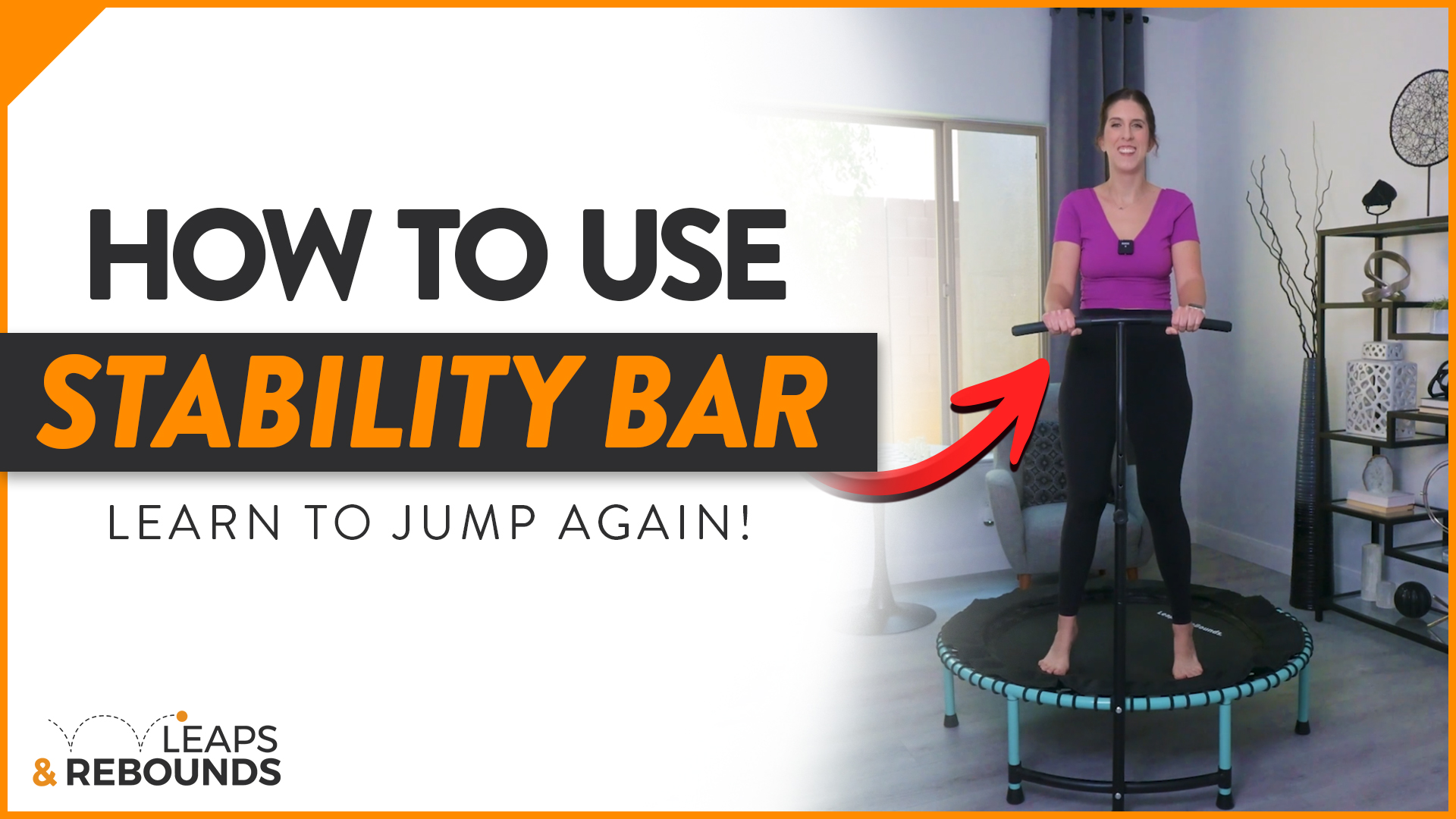










Thinking about getting in shape and maybe shedding a few pounds? You might have heard about rebounding, which is basically jumping on a mini-trampoline. It's getting a lot of buzz as a way to get fit, and people are definitely talking about it for weight loss. But does all that bouncing really help you lose weight? We're going to break down what rebounding for weight loss is all about, how it helps burn calories, and how you can make it work for you as part of a bigger plan. It's more than just jumping; it's about understanding the whole picture.
Key Takeaways
- Using a mini-trampoline for exercise, known as rebounding, can help burn calories and contribute to weight loss. It's a gentle way to get your heart rate up.
- The main way rebounding aids weight loss is by burning calories. The more intense and longer you bounce, the more calories you burn, which helps create a calorie deficit.
- To see results from rebounding for weight loss, consistency is really important. Doing it regularly, even daily, is more effective than doing it just now and then.
- Rebounding works best when it's part of a larger plan. You should also think about what you eat and consider adding strength training to build muscle, which helps burn more calories.
- Always be safe when you rebound. Warm up first, keep good posture, and listen to your body. If you have health issues, it's a good idea to talk to a doctor before you start.
Understanding Rebounding For Weight Loss
What Is Rebounding?
So, you've seen those mini-trampolines, right? Maybe tucked away in a corner of a gym or even at a friend's place. Well, that's where rebounding comes in. Simply put, it's a type of exercise where you jump on one of these small trampolines. It's a low-impact cardio workout, meaning it's easier on your joints than, say, running on pavement. Unlike the big trampolines you might have seen at a park, these are usually just for one person and are perfect for using indoors. The cool thing about rebounding is that pretty much anyone can do it, no matter their fitness level. It's not just about bouncing; you can do all sorts of movements, from simple jumps to more involved aerobic routines. Because the landing is cushioned, it's much kinder to your knees and ankles. People are starting to notice it because it's a fun way to get your heart pumping, improve your fitness, and, yes, it can help with weight loss.
The Science Behind Weight Loss
Before we get too deep into rebounding, let's quickly touch on how weight loss actually works. It's pretty straightforward: you lose weight when you burn more calories than you eat. This is called a calorie deficit. If you consistently consume fewer calories than your body uses for daily activities and exercise, your body will start using stored fat for energy, leading to weight loss. It’s not magic; it’s basic energy balance. Think of it like a bank account – if you spend more than you deposit, your balance goes down.
Rebounding's Role in Calorie Burning
Rebounding fits into this calorie deficit equation by increasing the number of calories you burn. When you jump on a rebounder, your muscles are working, your heart rate goes up, and your body uses energy. The amount of calories you burn can change based on a few things:
- Your Weight: Heavier individuals generally burn more calories doing the same activity.
- Intensity: How hard you're bouncing makes a big difference. Faster, higher bounces burn more calories.
- Duration: The longer you bounce, the more calories you'll burn.
For example, a person weighing around 155 pounds might burn approximately 223 calories in 30 minutes of moderate-intensity rebounding. This number can go up with higher intensity or longer durations. Rebounding for just 15 minutes a day can help burn an extra 820 calories in 10 days, which is about 0.23 pounds of body fat. This calorie burn contributes to the overall calorie deficit needed for weight loss.
While rebounding can contribute to weight loss, it's crucial to set realistic expectations. It's not a magic bullet for shedding pounds overnight, but rather a helpful tool when used consistently as part of a broader healthy lifestyle.
Maximizing Your Rebounding Workouts

So, you've got your rebounder and you're ready to bounce your way to fitness. That's awesome! But how do you make sure you're getting the most out of every session? It's not just about jumping up and down; there are ways to really amp up the effectiveness of your rebounding workouts. The key is variety and intensity.
Proper Form and Posture
Getting your form right from the start is super important. It helps you work the right muscles and keeps you from getting hurt. When you're on the rebounder, try to keep your core engaged – think about pulling your belly button towards your spine. Keep your knees slightly bent, not locked out, to absorb the impact. Your feet should be flat on the mat, hip-width apart for basic bouncing. Avoid leaning too far forward or backward; aim to stay centered over the mat. Good posture makes every bounce count more.
The Impact of Workout Intensity
To really see results, you need to challenge yourself. Simply bouncing at a slow pace won't burn as many calories as you might think. Try incorporating different types of bounces and movements. You can do a basic bounce, then switch to jogging in place, or even try jumping jacks on the rebounder. For an extra challenge, consider High-Intensity Interval Training (HIIT). This involves short bursts of maximum effort followed by brief recovery periods. For example, jump as fast as you can for 30 seconds, then do a gentle bounce for 30 seconds, and repeat. This method can significantly boost your calorie burn and improve cardiovascular fitness.
Here's a quick look at how intensity can affect calorie burn (these are estimates and can vary):
| Activity | Estimated Calories Burned per 30 Minutes |
|---|---|
| Light Bouncing | 100-150 |
| Moderate Jogging | 150-250 |
| High-Intensity HIIT | 250-400+ |
Realistic Expectations for Weight Loss
It's easy to get excited and think you'll see dramatic changes overnight, but that's usually not how it works. Weight loss is a journey, and consistency is more important than doing one super-intense workout and then nothing for a week. You won't get the results you want if you're not consistent.
Remember, rebounding is a fantastic tool for burning calories and improving fitness, but it's just one piece of the puzzle. Combining it with a healthy diet and other forms of exercise will give you the best and most sustainable results. Don't get discouraged if the scale doesn't move as fast as you'd hoped; focus on how you feel and the non-scale victories, like increased energy and better endurance.
To make your workouts more effective and keep things interesting, try mixing up your routine. Here are some ideas:
- Basic Bounce: Good for warm-ups and cool-downs.
- Jogging in Place: Gets your heart rate up.
- Jumping Jacks: A classic full-body move adapted for the rebounder.
- Twists: Engage your core and improve balance.
- High-Knee Lifts: A more intense cardio option.
By varying your movements and intensity, you'll keep your body challenged and prevent boredom, making it easier to stick with your fitness plan long-term.
Creating A Balanced Weight Loss Plan
Integrating Diet and Nutrition
Look, bouncing on a trampoline is great for burning calories, but if you're not watching what you eat, you're probably not going to see the weight loss results you're hoping for. It's like trying to fill a leaky bucket – you can keep adding water, but it's just going to drain out. Weight loss really comes down to burning more energy than you take in. Rebounding helps with the burning part, but you've got to manage the intake part too. This doesn't mean you have to eat like a bird or cut out all the foods you love. It's more about making smarter choices. Think about swapping out that sugary soda for water, or adding more vegetables to your meals. Fiber-rich foods can help you feel fuller for longer, which can stop you from overeating. If you're feeling a bit lost on where to start with your diet, talking to a registered dietitian could be a really good move. They can help you figure out a plan that works for your body and your lifestyle.
The Role of Strength Training
So, you're getting your cardio fix with rebounding, which is awesome for your heart and for burning calories. But if you really want to boost your metabolism and see more lasting results, you've got to think about building muscle. Muscle tissue is like a little furnace – it burns more calories even when you're just sitting around, compared to fat. So, the more muscle you have, the more energy your body uses throughout the day. You don't need to become a bodybuilder unless that's your thing. Adding in some basic strength training a couple of times a week can make a big difference. This could be anything from lifting weights, doing bodyweight exercises like squats and push-ups, or using resistance bands. It's about creating a more efficient body that burns more calories 24/7.
Balancing Rebounding with Other Activities
While rebounding is a fantastic tool for weight loss, it's not the only thing you should be doing. Think of it as one piece of a bigger puzzle. To get the best results, you need a well-rounded approach. This means making sure your diet is on point, as we talked about, and incorporating strength training. But it also means listening to your body and not overdoing it. Some days you might feel great and want to do a longer rebounding session, while other days might be better suited for a gentler bounce or a different type of activity altogether. Mixing things up can also help prevent boredom and keep your body challenged. Maybe one day you do a high-intensity rebounding workout, and the next day you go for a brisk walk or do some yoga. This variety helps ensure you're working different muscle groups and keeping your fitness journey interesting and sustainable.
Remember, weight loss is a journey, not a race. Combining rebounding with a healthy diet and other forms of exercise creates a powerful strategy for shedding pounds and improving your overall health. Patience and consistency are your best friends here.
Consistency Is Key For Rebounding Success
Look, we all want to see results fast, right? But when it comes to losing weight with rebounding, or honestly, with anything fitness-related, showing up is half the battle. Consistent effort over time is what truly makes the difference. It’s easy to get excited at first and bounce every day for a week, but then life happens. The trick is to build a routine that you can actually stick with, even when things get busy.
Consistency Matters for Weight Loss
Think about it: a 15-minute bounce every day adds up. Over a month, that’s over seven hours of bouncing! This regular activity helps create a steady calorie deficit, which is the main driver for weight loss. Sporadic workouts might feel good in the moment, but they don't build the momentum needed for lasting change. It’s the daily commitment that really counts.
Building a Consistent Rebounding Routine
So, how do you actually make rebounding a habit? It’s not rocket science, but it does take a little planning.
- Schedule it: Treat your rebounding time like any other important appointment. Put it in your calendar and try to stick to it.
- Start small: If 30 minutes feels like a lot, begin with 10 or 15 minutes. You can always increase the duration as you get fitter and more comfortable.
- Mix it up: Don't just do the same old bounce every time. Try different movements, change the intensity, or even do a rebounding workout video. This keeps it interesting and challenges your body in new ways.
- Find your 'why': Remind yourself why you started. Is it for better health, more energy, or to fit into those jeans? Keeping your motivation front and center helps.
Building a consistent habit takes time and patience. Don't get discouraged if you miss a day. Just get back on the rebounder the next day and keep going. Progress isn't always linear, and that's perfectly okay.
The Importance of Daily Commitment
While you don't necessarily need to rebound for an hour every single day, making a commitment to be active most days is important. This could mean a full rebounding session on some days and a shorter, lighter bounce on others. The key is to keep moving and keep your body engaged. This consistent movement, combined with a healthy diet, is how you'll see real progress towards your weight loss goals. Remember, it's a marathon, not a sprint.
Safety Precautions and Guidelines
When to Consult a Healthcare Professional
Before you start bouncing your way to fitness, it's smart to check in with your doctor, especially if you have any existing health issues. Conditions like recent surgery (particularly on your legs, hips, or back), significant balance problems, or certain chronic illnesses mean you should definitely get the green light from a medical professional. Pregnant individuals should also consult their doctor before beginning any new exercise program, including rebounding. Your doctor can offer personalized advice based on your specific health situation, making sure rebounding is a safe and beneficial addition to your routine.
Avoiding Injury While Rebounding
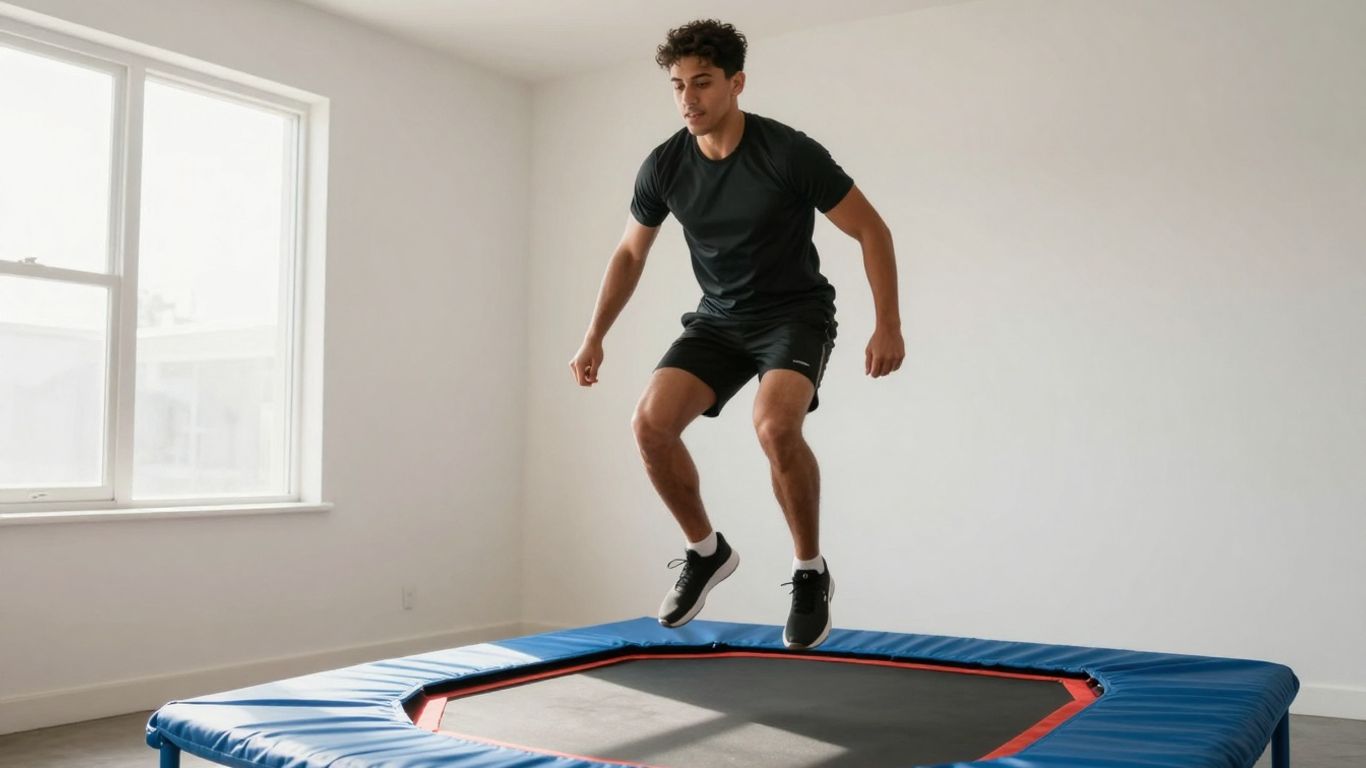
Staying safe on your rebounder is pretty straightforward. First off, always inspect your equipment before each use. Make sure the legs are stable, the springs are secure, and the mat isn't torn. It's also a good idea to set up your rebounder on a flat, even surface, away from walls or furniture to give yourself plenty of space. A quick warm-up of 5-10 minutes, like marching in place or gentle bouncing, prepares your muscles. Similarly, a cool-down with some light stretching afterward helps your body recover. Keep your knees slightly bent when you land, avoid locking your joints, and focus on controlled movements rather than wild leaps. If you're new to this, holding onto a wall or a sturdy chair for support is perfectly fine until you feel more stable.
Listening To Your Body
This is probably the most important rule for any exercise, and rebounding is no different. Pay attention to what your body is telling you. If something feels off, or you start to feel pain, stop. Pushing through pain is never a good idea and can lead to injuries that set you back. It's okay to take breaks when you need them, and it's also okay to modify exercises. For instance, if a high bounce feels too much, just do a lower, gentler one.
Rebounding is generally low-impact, but that doesn't mean it's risk-free. Being mindful of your body's signals and respecting its limits is key to a safe and effective workout. Don't be afraid to dial it back if needed; consistency over intensity is the name of the game for long-term success.
Here’s a quick rundown of what to watch out for:
- Pain: Sharp or persistent pain is a clear signal to stop.
- Dizziness or Nausea: If you feel lightheaded or sick, take a break.
- Fatigue: Extreme tiredness means it's time to rest, not push harder.
- Joint Discomfort: While rebounding is easy on joints, unusual discomfort means you should reassess your form or intensity.
Wrapping It Up
So, we've bounced through the ins and outs of rebounding and its role in weight loss. It's pretty clear that this fun, low-impact exercise can definitely be a helpful part of your journey to a healthier you. While it might not be a magic bullet for shedding pounds overnight, consistently incorporating rebounding into your routine, alongside a good diet and maybe some strength training, can lead to real, lasting results. Remember, the best plan is one you can stick with, and rebounding's enjoyable nature makes it a great candidate for long-term success. Keep bouncing, stay consistent, and listen to your body – you've got this!
Frequently Asked Questions
What exactly is rebounding?
Rebounding is basically jumping on a mini-trampoline. It's a fun way to get your heart pumping and your body moving. Think of it as a low-impact exercise because the trampoline surface is soft and cushions your landing, making it easier on your joints compared to jumping on a hard surface.
How many calories can I burn by rebounding?
The number of calories you burn depends on how hard and how long you jump. A moderate 30-minute rebounding session can burn around 200-300 calories. If you pick up the pace and make it more intense, you could burn even more, maybe closer to 400-600 calories in an hour. It's a pretty good calorie burner!
Can rebounding really help me lose weight?
Yes, rebounding can definitely help with weight loss! The key to losing weight is burning more calories than you eat. Rebounding burns calories and can help boost your metabolism. When you combine it with a healthy diet, it becomes a powerful tool for shedding pounds over time.
How often should I rebound to see results?
Consistency is super important. Aim to rebound most days of the week, even if it's just for 15-20 minutes. Doing it regularly helps you burn calories consistently and build a good fitness habit. Don't expect overnight changes; it's a gradual process.
Is rebounding safe for my joints?
Rebounding is known for being low-impact, which means it's much gentler on your joints, especially your knees and ankles, compared to activities like running. The trampoline absorbs a lot of the shock. However, it's still important to use good form and listen to your body to avoid any strain.
What's the best way to rebound for weight loss?
To get the most out of rebounding for weight loss, try to vary your workouts. You can do steady bouncing for cardio, try high-intensity intervals (bursts of fast jumping followed by rest), or even incorporate some simple strength moves. Pairing your rebounding with a balanced diet that creates a calorie deficit is also crucial for seeing results.


0 comments