












So, you're pregnant and wondering if you can still enjoy a good bounce on the trampoline. It's a common question, especially if trampolining was part of your fitness routine before. While staying active is great during pregnancy, some activities need a second look. Let's talk about whether you can jump on the trampoline while pregnant and what you need to consider for your safety and your baby's.
Key Takeaways
- Generally, it's advised to avoid trampolines during pregnancy due to increased risks of falls and abdominal impact.
- Your changing center of gravity and looser joints can make balance difficult, raising the chance of accidents.
- Activities that significantly increase abdominal pressure, like vigorous bouncing, can strain your pelvic floor.
- If you have a high-risk pregnancy, a history of complications, or specific conditions like placenta previa, trampolining is a definite no-go.
- Always talk to your healthcare provider about your fitness routine to get personalized advice on safe exercises during pregnancy.
Understanding The Risks Of Trampolining During Pregnancy
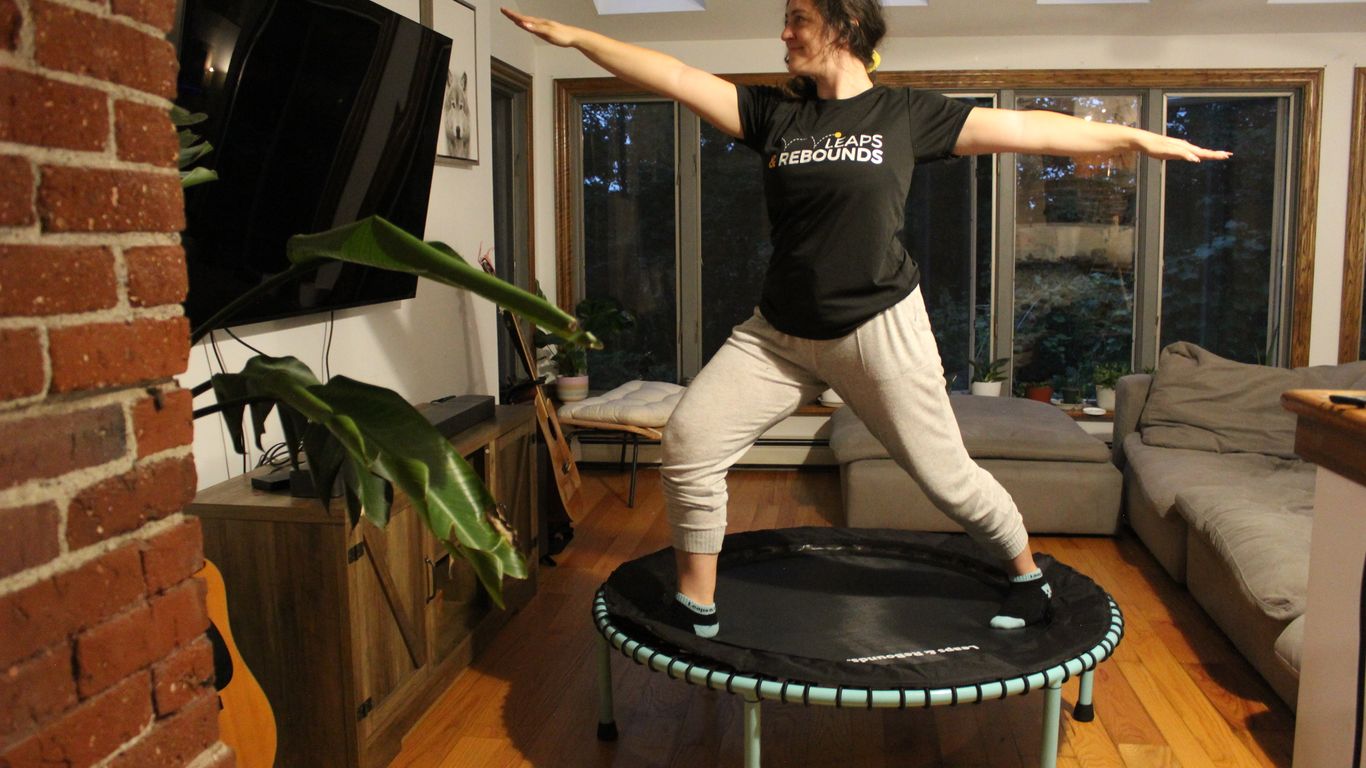
So, you're pregnant and maybe you're thinking about hitting the trampoline, either for fun or maybe even for a workout. It's totally understandable to want to stay active, but when it comes to trampolines, there are some pretty important things to think about. Your body is going through some major changes right now, and that can make activities that used to be simple feel a lot riskier.
Shifting Center Of Gravity And Balance Concerns
One of the first things you'll notice is that your balance just isn't what it used to be. As your baby grows, your center of gravity shifts forward. This means your body's natural balance point moves, making you feel a bit wobbly. Even walking can feel different! On a trampoline, where balance is already key, this shift can be a big problem. You might find yourself stumbling or feeling unsteady, even if you were a trampoline whiz before. This increased instability significantly raises the risk of a fall.
Potential For Abdominal Trauma
Falling on a trampoline is one thing, but falling on one while pregnant is another story. If you do lose your balance and take a tumble, there's a chance you could land awkwardly or, worse, directly on your abdomen. While your baby is well-protected by amniotic fluid and your own body, a direct impact could still lead to complications. It's just not a risk most people want to take during pregnancy.
Increased Intra-abdominal Pressure And Pelvic Floor Strain
Every time you bounce, you're creating a bit of pressure inside your abdomen. During pregnancy, this area is already working overtime. Your pelvic floor muscles, which are supporting your growing uterus, can get put under even more strain with the repetitive bouncing motion. It's like adding extra weight to an already heavy load. This added pressure isn't ideal for your pelvic floor, which is already dealing with a lot.
The physical changes during pregnancy mean that activities requiring significant balance and impact, like trampolining, can pose risks that weren't there before. It's about being aware of these new vulnerabilities and making choices that prioritize your well-being and your baby's.
When To Absolutely Avoid Trampoline Use
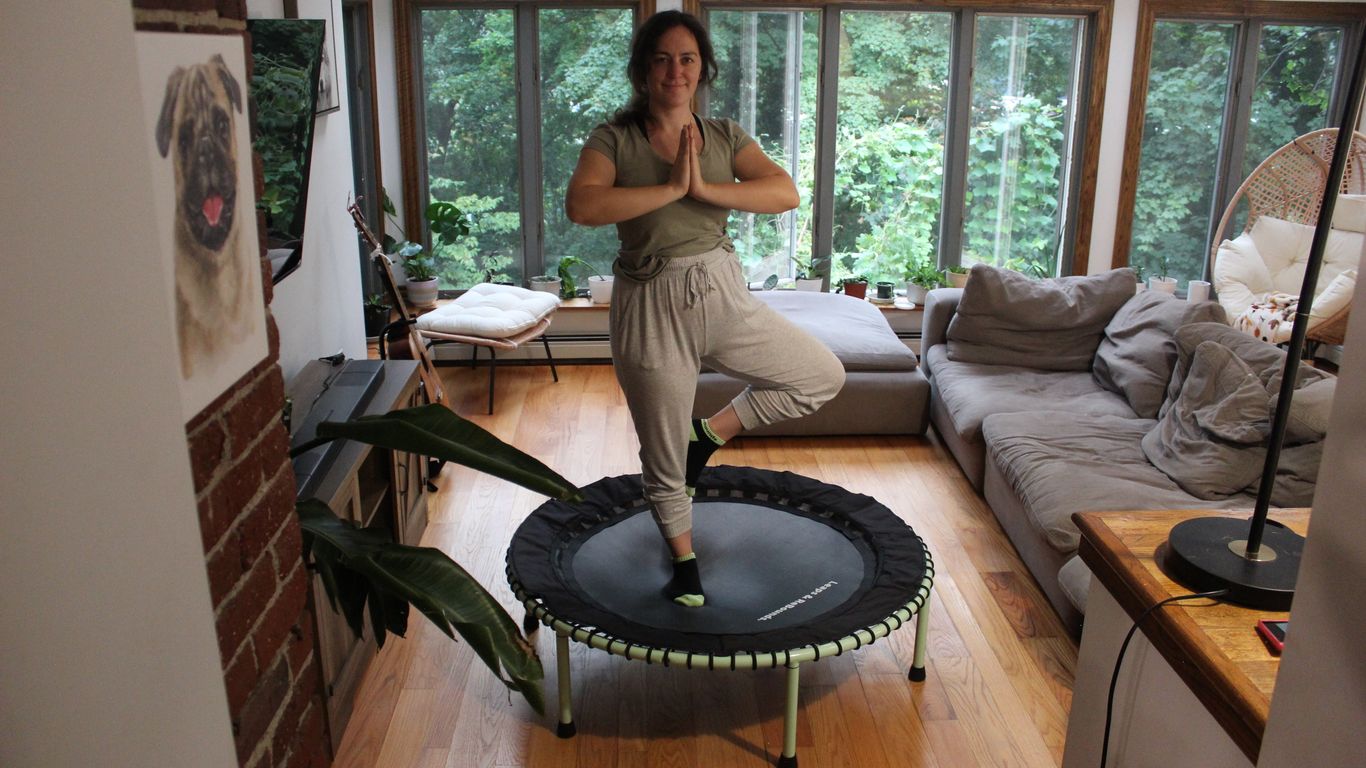
So, while the idea of a fun bounce might seem appealing, there are definitely times during pregnancy when hitting the trampoline is a hard pass. It's all about being smart and putting your and your baby's well-being first. Let's look at the situations where you should steer clear.
High-Risk Pregnancies
If your pregnancy has been flagged as high-risk by your doctor, then trampolining is off the table. This could be due to a number of factors, like pre-existing health conditions you have, or complications that have popped up during this pregnancy. The added stress and potential for falls just aren't worth the risk when your pregnancy needs extra careful attention.
History Of Miscarriage Or Preterm Labor
If you've had a miscarriage or preterm labor in the past, your healthcare provider will likely be extra cautious about your current pregnancy. They might suggest avoiding any activities that could put undue stress on your body. Trampolining, with its jolts and potential for sudden movements, could be one of those activities they advise against to help ensure a smooth and healthy journey this time around.
Placenta Previa Or Placental Abruption
These are serious conditions where the placenta is positioned incorrectly (previa) or starts to detach from the uterus (abruption). Any activity that involves significant impact or jarring motions, like trampolining, could potentially worsen these conditions. Because of the serious risks involved, including heavy bleeding, trampolining is absolutely not recommended if you've been diagnosed with either placenta previa or placental abruption. Your doctor will give you specific guidance on what activities are safe for you.
It's important to remember that pregnancy brings about significant physical changes. These changes can affect your balance, put extra strain on your body, and increase the risk of injury during activities that were once easy. Always prioritize your health and your baby's safety above all else.
Consulting Your Healthcare Provider Is Key
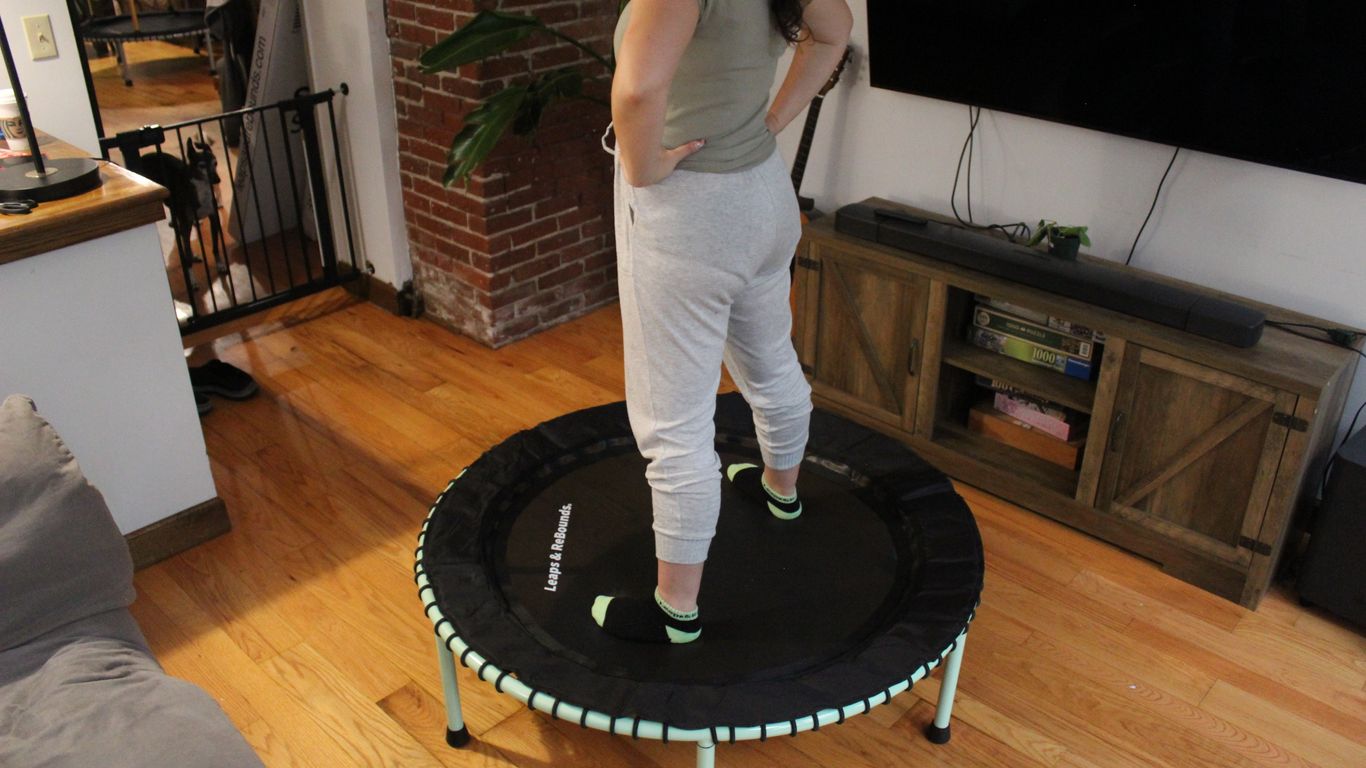
Look, pregnancy is a big deal, and it changes things. What felt totally fine before you were expecting might not be the best idea now. It's easy to want to stick with what you know, like that trampoline workout you loved, but your body is doing some pretty amazing work growing a whole human. That means you need to be extra careful. Think about it: your center of gravity is shifting, making you a bit wobbly. Plus, any kind of jarring movement or, heaven forbid, a fall could put you and your baby at risk. It’s really about being smart and putting your wellbeing first, even if it means pausing activities you used to enjoy.
Personalised Risk Assessment
Every pregnancy is unique, right? What's perfectly fine for one person might be a no-go for another. Your healthcare provider can look at your specific health history, any pre-existing conditions, and how your pregnancy is progressing. They can then give you a clear picture of any personal risks associated with activities like trampolining. It's not just about general advice; it's about your specific situation.
Gaining Medical Clearance
Before you even think about bouncing, you absolutely need the green light from your doctor. They'll assess your current health and the health of your pregnancy. This isn't just a formality; it's a vital step to ensure you're not putting yourself or your baby in harm's way. Think of it as getting official permission to continue or modify your exercise plan.
Discussing Your Fitness Routine
Don't be shy about talking to your provider about your entire fitness routine. This includes not just trampolining but also any other exercises you do. They can help you understand how your body is changing and how those changes might affect your ability to do certain activities. They might suggest modifications or even recommend completely different, safer exercises that still meet your fitness goals. For instance, they might suggest low-impact cardio options that are much kinder to your changing body. It's all about finding a balance that keeps you healthy and your baby safe throughout your pregnancy. Remember, staying active is great, but doing it safely is the top priority, and your healthcare provider is your best resource for guidance on pregnancy exercise.
Navigating Exercise Choices During Pregnancy
Pregnancy is a time of big changes, and what felt perfectly fine before you were expecting might not be the best idea now. It's easy to want to stick with what you know, but your body is doing some pretty amazing work growing a whole human. That means you need to be extra careful. Think about it: your center of gravity is shifting, making you a bit wobbly. Plus, any kind of jarring movement or, heaven forbid, a fall could put you and your baby at risk. It’s really about being smart and putting your wellbeing first, even if it means pausing activities you used to enjoy.
Listening To Your Body's Signals
Your body is going to give you clues, and it's important to pay attention. If something feels off, painful, or just plain uncomfortable, stop. Pushing through discomfort during pregnancy isn't a sign of strength; it's a sign you need to back off. Pregnancy is a unique journey, and your fitness routine should adapt along with it. What feels good one day might not feel good the next, and that's perfectly normal. Don't be afraid to modify exercises, take more rest days, or switch activities altogether based on how you're feeling. Your intuition is a powerful guide during this time. Remember, the goal is to stay healthy and active in a way that supports both you and your baby. It's not about hitting personal bests right now; it's about nurturing yourself through this incredible phase.
Adapting Your Fitness Routine
So, what can you do? Plenty! The good news is there are tons of ways to stay active that are much safer and still really good for you. These options are designed to support your changing body, not challenge it in risky ways. Low-impact cardio, like brisk walking, swimming, or cycling on a stationary bike, gets your heart rate up without putting too much stress on your joints. Prenatal yoga and Pilates are fantastic for building strength, improving flexibility, and learning breathing techniques that can be super helpful during labor. Just make sure your instructor is certified in prenatal modifications. Strength training with lighter weights or resistance bands can help maintain muscle tone, focusing on exercises that don't put direct pressure on your abdomen. You can find great ideas and tips on safe exercises during pregnancy.
Prioritizing Safety Over Strenuous Activity
It's easy to get caught up in wanting to maintain your pre-pregnancy fitness levels, but pregnancy is a time when listening to your body and professional advice takes precedence over familiar habits. Your provider can help you understand the specific physiological changes you're experiencing and how they impact your ability to perform certain movements. They might suggest modifications or even recommend completely different, safer exercises that still meet your fitness goals. It's all about finding a balance that keeps you healthy and your baby safe throughout your pregnancy. Remember, staying active is great, but doing it safely is the top priority, and your healthcare provider is your best resource for guidance on pregnancy exercise.
General Guidelines For Pregnancy Exercise
When you're pregnant, staying active is a fantastic idea, but it's also a time to be extra mindful about what you're doing. Your body is going through some pretty significant changes, and what felt safe and easy before might not be the best choice now. The main goal is to keep yourself healthy and your baby safe, which means making smart choices about your workouts.
Avoiding Exhaustion During Workouts
It's easy to want to push yourself, but during pregnancy, that's not the way to go. You should never feel completely wiped out after exercising. Instead, aim for a level of exertion where you can still hold a conversation. Think of it as maintaining your fitness, not training for a marathon. Your body is already working hard growing a baby, so adding extreme fatigue to the mix isn't helpful.
Considering Trimester-Specific Risks
Pregnancy isn't static; it changes month by month, and so do the risks associated with exercise. For example, in the first trimester, you might have more energy, but you're also dealing with potential nausea. As you move into the second and third trimesters, your growing belly changes your center of gravity, making you more prone to falls. Certain positions that were fine early on might become uncomfortable or even unsafe later. It's important to adjust your routine as your pregnancy progresses.
Here are some general things to keep in mind:
- First Trimester: Focus on maintaining your current fitness level. Be aware of potential fatigue and nausea. Avoid activities with a high risk of falling.
- Second Trimester: Your energy might increase, but your balance will start to shift. Avoid lying flat on your back for extended periods. Continue to steer clear of high-impact activities.
- Third Trimester: Balance is significantly affected. Focus on low-impact exercises and listen very closely to your body. Avoid any movements that put direct pressure on your abdomen.
Seeking Advice On Safe Activities
It's always a good idea to talk to your healthcare provider about your exercise plans. They can give you personalized advice based on your health history and how your pregnancy is going. They might suggest modifications to your current routine or recommend entirely new activities that are better suited for you. For instance, they might point you towards prenatal yoga or swimming, which are generally considered safe and beneficial. Remember, staying active is great, but doing it safely is the top priority.
Staying active during pregnancy is super important for both you and your baby. There are many safe ways to exercise that can help you feel great. Always chat with your doctor before starting any new workout routine to make sure it's right for you. Ready to explore some fun and safe pregnancy exercises? Visit our website for more tips and guidance!
So, What's the Verdict?
Look, when you're pregnant, your body is doing some pretty amazing things, but it's also going through a lot of changes. Your balance is different, and things can feel a bit wobbly. Because of this, jumping on a trampoline, even if you loved it before, just isn't the safest bet right now. There are so many other ways to stay active that are much gentler on your body and your baby. Always chat with your doctor about what exercises are best for you. They're the ones who know your specific situation and can give you the best advice. Stick to activities that feel good and keep you safe – your body and your little one will thank you for it.
Frequently Asked Questions
Is it safe to jump on a trampoline when I'm pregnant?
Generally, it's best to skip trampolines while you're expecting. Your body is going through a lot of changes, which can throw off your balance and make falls more likely. Plus, the bouncing can put extra pressure on your body and your baby.
Why is my balance weird during pregnancy?
As your baby grows, your center of gravity moves forward. This change makes it harder to keep your balance, especially when doing activities like bouncing. It's like your body's natural tipping point has shifted.
Could bouncing on a trampoline hurt my baby?
Your baby is protected by fluid, but a hard fall or a strong jolt on a trampoline could potentially cause problems. It's safer to avoid activities that carry a risk of impact or sudden, jerky movements.
What if I've had pregnancy problems before?
If you've had issues like a miscarriage or preterm labor in the past, or if your current pregnancy is considered high-risk, you should definitely stay away from trampolines. Being extra careful and following your doctor's advice is super important.
What are some safer ways to exercise while pregnant?
There are tons of great options! Try walking, swimming, prenatal yoga, or gentle exercises like Pilates. These are much easier on your body and give you a good workout without the same risks as trampolining.
When should I talk to my doctor about exercise during pregnancy?
You should always chat with your doctor or healthcare provider before starting or continuing any exercise routine while pregnant. They can give you personalized advice based on your health and how your pregnancy is going.


0 comments