Bounce Back to Movement –
TRY NOW
I Thought My Knees Were Just Getting Old… Then I Learned What Was Really Happening Inside My Joints
What science says about hidden joint inflammation and how one low-impact movement is helping thousands reclaim pain-free mobility.
By Leaps and Rebounds | Jan 15, 2026
⏱ Estimated 3-6 Minute Read
The Hidden Epidemic No One Talks About
Millions of women over 40 wake up every morning with stiff, aching knees. Many assume it’s just aging, weight, or “normal wear and tear.”
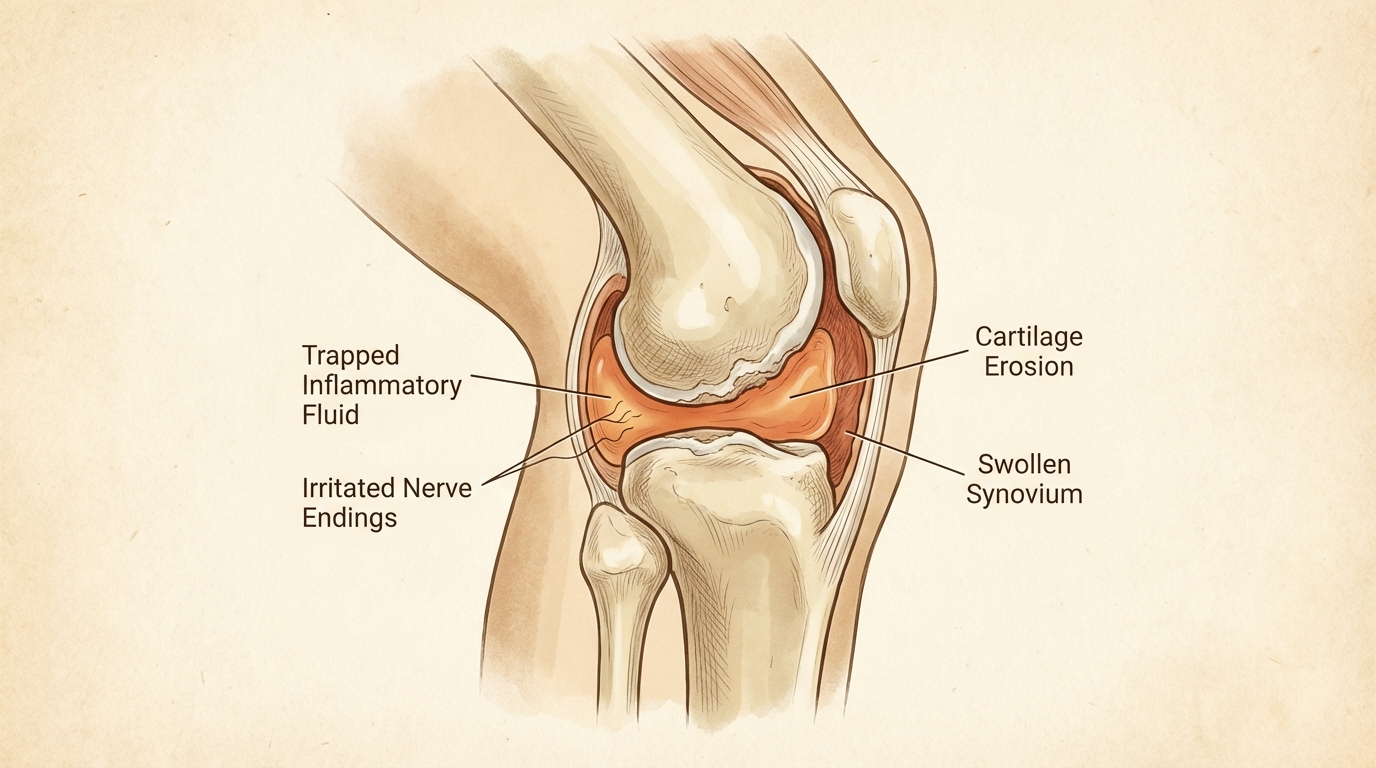
But research shows that knee osteoarthritis is more complex than simple cartilage breakdown. While cartilage changes are part of the condition, pain often comes from irritation and inflammation in the surrounding joint tissues including the lining of the joint, underlying bone, and supportive structures that contain nerve endings.
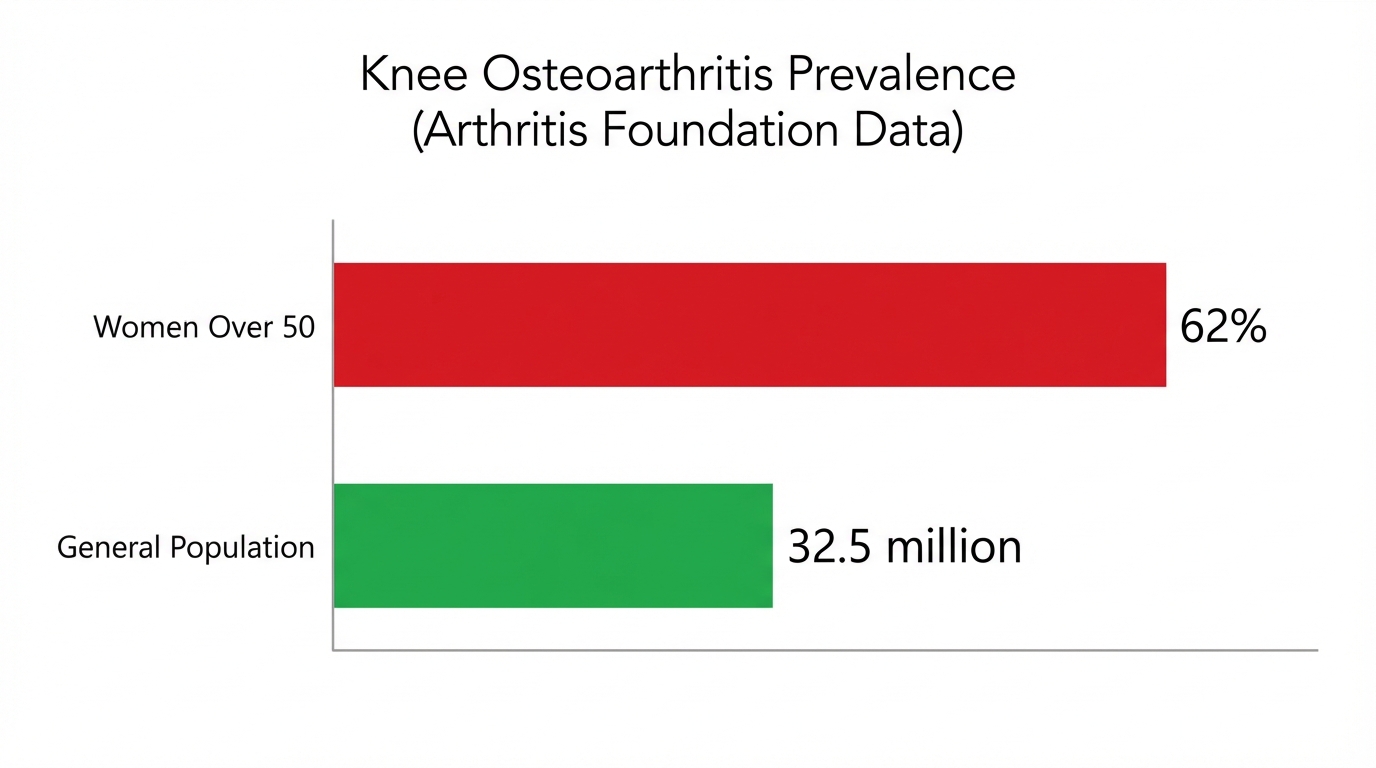
According to the Arthritis Foundation, more than 32.5 million Americans live with osteoarthritis, and knee osteoarthritis is especially common in adults over 50, particularly women.
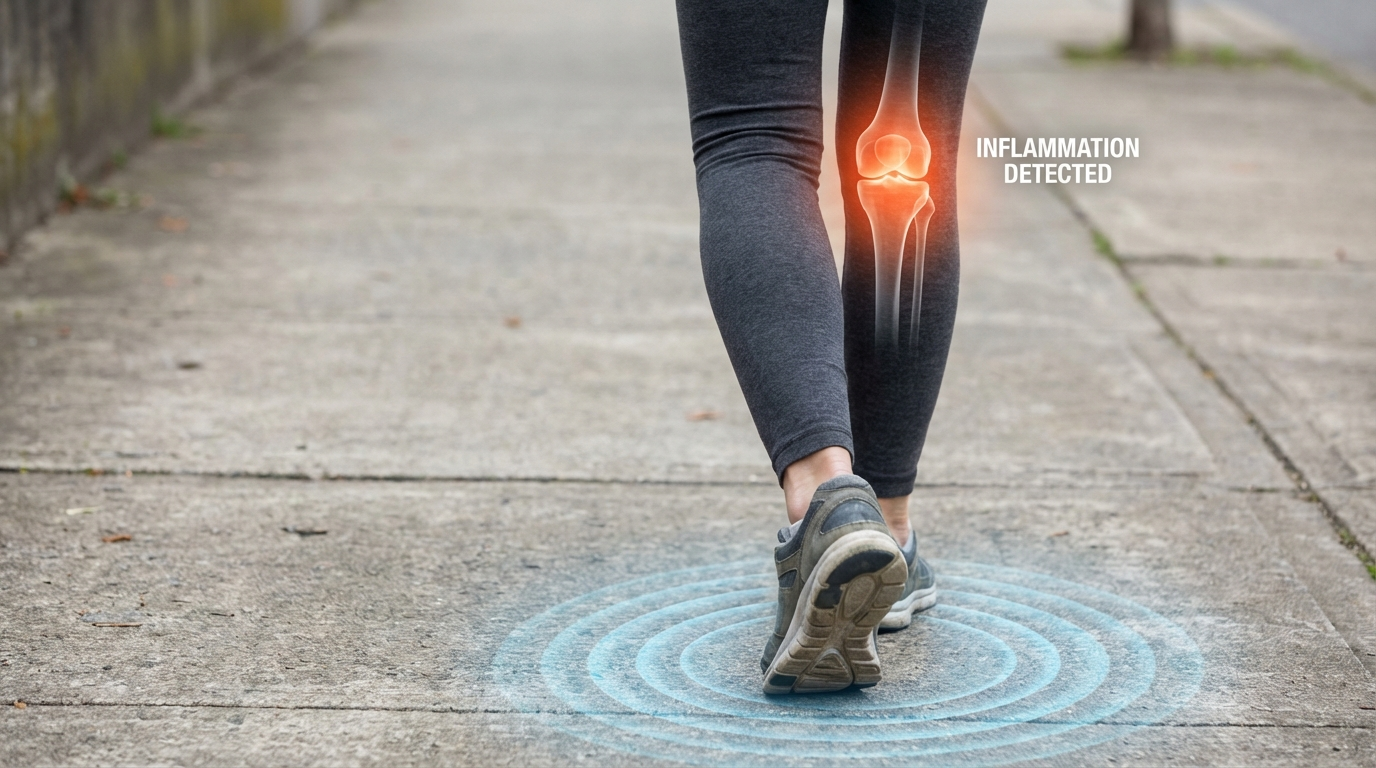
When the joint environment becomes stressed or inflamed, it can lead to swelling, stiffness, and discomfort with movement. Cartilage itself does not contain nerves, but the tissues around it do and when they become irritated, everyday activities can trigger pain signals.
Rather than being “trapped,” inflammation is part of the body’s response to joint stress. Over time, however, ongoing irritation can contribute to persistent stiffness and reduced mobility.
Signs Your Knee Pain May Involve Joint Irritation or Inflammation
Morning Stiffness That Takes Time to Loosen
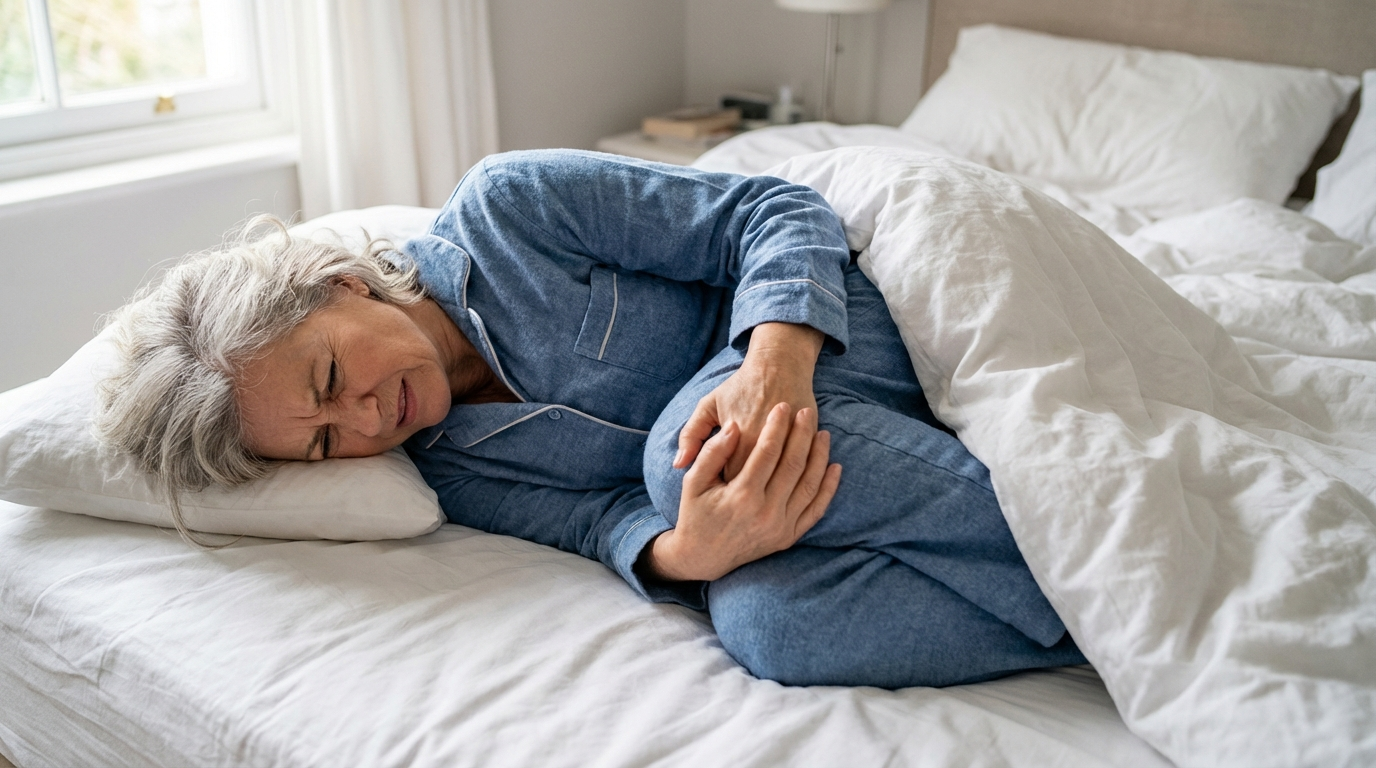
You get out of bed and your knees feel tight or stiff. It may take 10, 20, sometimes 30 minutes before movement feels easier.

What’s happening: During rest, joint fluid circulation slows and tissues around the knee can become stiff. In people with osteoarthritis or joint irritation, this stiffness can feel more pronounced in the morning.
Pain That Gets Worse After Sitting
You sit through a movie or long drive. When you stand up, your knees feel sore or tight.
What’s happening: Extended inactivity can temporarily increase joint stiffness and reduce lubrication between joint surfaces. When movement resumes, irritated tissues may react with discomfort until the joint warms up again.
Swelling That Comes and Goes
Some days your knee looks slightly puffy or feels fuller than usual.
What’s happening: Joint irritation can lead to mild swelling as the body increases fluid inside the joint space. This is part of the body’s response to stress or mechanical strain.
Pain That Flares After High-Impact Activity
You try to stay active, but long walks, stairs, or high-impact workouts leave your knees more uncomfortable later.
What’s happening: Activities that place higher compressive force on the knee can temporarily increase stress on already sensitive tissues. This does not mean movement is harmful but impact level and joint support matter.
Grinding or Crunching Sensation
You hear or feel crackling when bending your knee.
What’s happening: Changes in cartilage and joint surfaces can alter how the knee glides during movement. Occasional joint sounds are common and do not always indicate severe damage.
How Joint Irritation Develops Over Time
You don’t have to be an athlete to develop knee discomfort. Joint changes can build gradually over years, often without obvious injury.
Inside the knee, cartilage, bone, synovial lining, and surrounding tissues work together to create smooth movement. When these structures experience repeated mechanical stress, the joint environment can become irritated and inflamed.
Years of Mechanical Stress
Every step places force through your knees. On hard surfaces like concrete or tile, those forces are higher. Over time, repetitive loading can contribute to cartilage changes and increased sensitivity in surrounding tissues.
Hormonal Changes
After 40, estrogen levels naturally decline. Estrogen plays a role in regulating inflammation and supporting connective tissue health. Lower levels may contribute to changes in joint resilience and recovery in some women.
Modern Sedentary Patterns
Long periods of sitting can lead to temporary stiffness. Movement helps circulate synovial fluid within the joint, which supports lubrication and mobility. When joints remain inactive for extended periods, stiffness can feel more noticeable.
High-Impact or Poorly Supported Exercise
Movement is essential for joint health. However, high-impact activities or repetitive loading without adequate strength and support may increase stress on already sensitive joints.
Choosing the right type of movement matters.
Bottom line?
Knee discomfort usually develops gradually. It often reflects a combination of mechanical stress, tissue sensitivity, and changes in joint structure over time.
The goal is not to eliminate inflammation completely it’s to support healthy joint function with movement that reduces unnecessary impact while keeping the joint active.
Discover What Changed Their Mobility →
Why You May Still Be Dealing With Knee Pain
Most primary care visits focus on ruling out major structural problems. X-rays primarily
show bone alignment and joint space changes. MRIs can detect structural damage such as
cartilage loss, meniscus tears, or significant swelling.
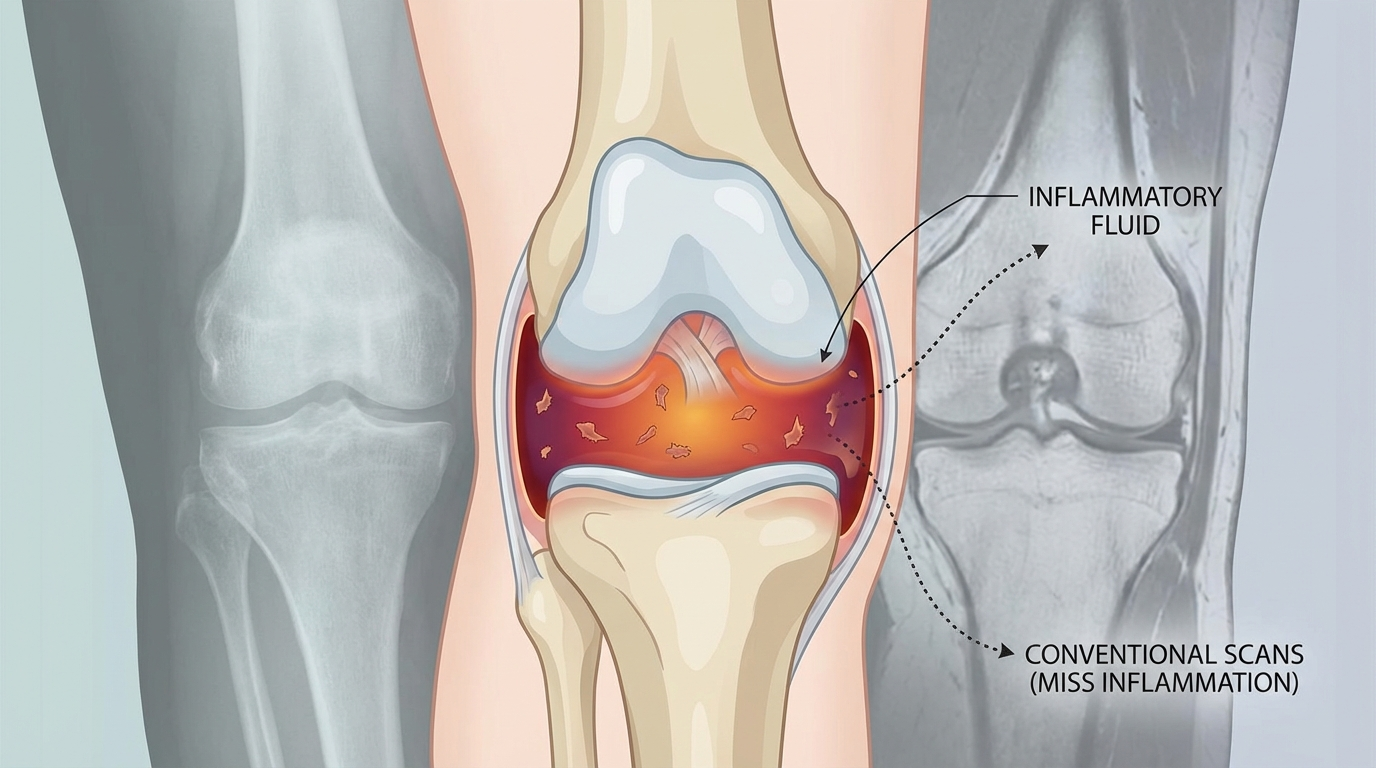
However, knee discomfort does not always correlate perfectly with imaging findings. Some people experience pain even when scans show mild changes. Others may have visible joint changes but minimal discomfort.
That’s why you might hear:
"It’s early arthritis."
"Weight management could help."
"Try anti-inflammatories and rest."
"Let’s monitor it for now."
In many cases, this approach is appropriate. The goal is often symptom management and preserving function rather than aggressive intervention.
But if discomfort persists, it may reflect ongoing joint sensitivity, mechanical stress,
muscle weakness, or low-grade inflammation that requires more than rest alone.
Try Gentle Joint Support →
What Happens If You Don't Address It?
Ignoring persistent knee discomfort rarely makes it disappear on its own. Over time, reduced movement and ongoing joint stress can contribute to stiffness, weakness, and decreased mobility.
Pain in one knee does not automatically “spread” but compensation can. When one side hurts, you naturally shift weight to the other leg. Over time, this imbalance can place added strain on the opposite knee, hips, or lower back.
Joint discomfort often becomes less about inflammation alone and more about a cycle of:
• Reduced movement
• Muscle weakness
• Altered mechanics
• Increased joint stress

It Can Accelerate Functional Decline
Osteoarthritis and joint changes progress at different rates for different people. In some cases, persistent irritation and reduced activity may contribute to further cartilage wear over time.
Staying inactive tends to accelerate loss of strength and mobility more than movement
does.
It Can Reduce Confidence in Movement
Many people begin avoiding stairs, long walks, or exercise because they anticipate discomfort.
This protective behavior is understandable but prolonged avoidance can weaken supporting muscles and reduce joint stability.
Over time, simple daily tasks may feel harder than they need to be.
Surgery Becomes a Consideration
For some individuals, joint replacement eventually becomes an appropriate option.
Surgery rates have increased over the years due to aging populations and improved procedures.
However, many orthopedic specialists emphasize that conservative strategies including strength training and low-impact exercise are often recommended long before surgical intervention.
The Real Risk
The biggest risk is not “spreading inflammation.”
It is losing strength, stability, and confidence in movement.
When muscles weaken and joints stiffen, everyday activities feel harder even if structural damage has not dramatically changed.
Start Supporting Your Knees Today →
Why Low-Impact Rebounding Supports Knee Health
Thousands of women discover that rest alone does not improve knee comfort long term. The key is not eliminating movement it is choosing the right kind of movement.
Low-impact, controlled motion helps:
• Circulate synovial fluid within the joint
• Maintain cartilage nourishment
• Activate stabilizing muscles
• Reduce excessive compressive force
Rebounding is one way to create that environment.
Unlike running or jumping on hard surfaces, a bungee rebounder absorbs a significant portion of impact before it reaches your joints.
This creates a controlled, low-impact environment where you can move without repeatedly stressing the knee.
How It Works:
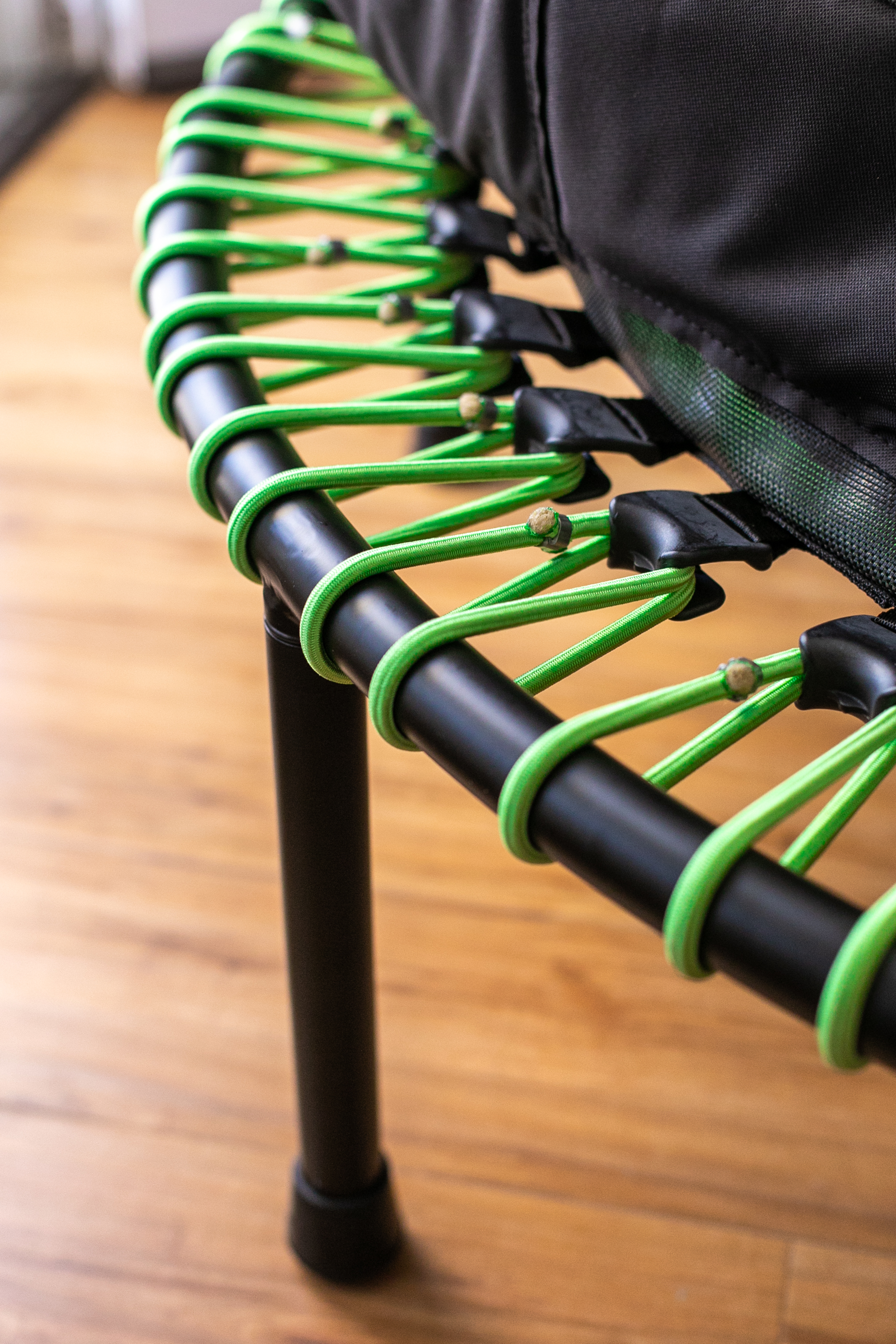
1. Reduced Joint Loading
A quality bungee rebounder is designed to absorb impact forces. Instead of transferring full ground reaction force into the knees, the surface distributes load more gradually.
Your body moves.
Your joints experience less harsh impact.
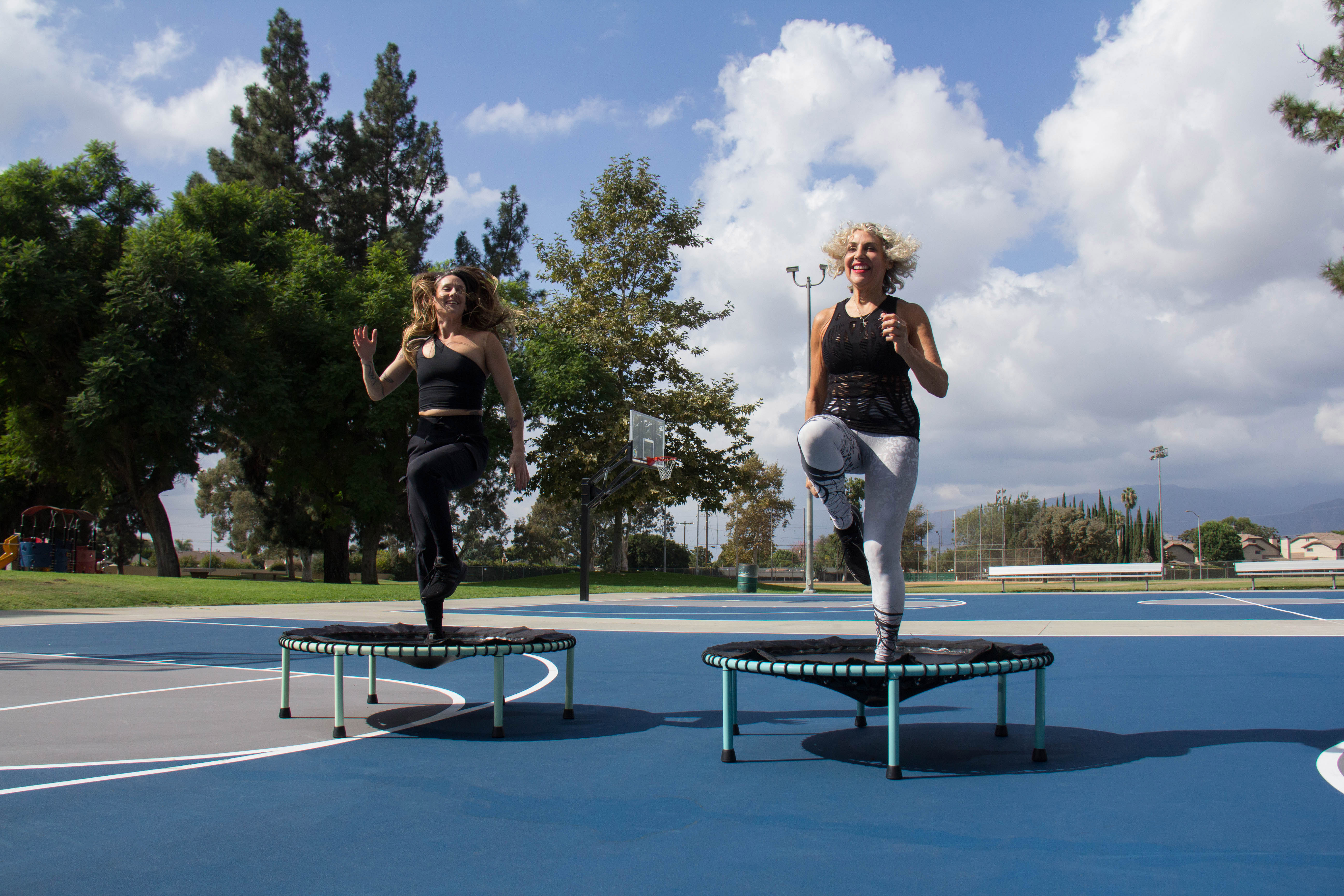
2. Gentle Compression and Release

Light bouncing creates rhythmic compression and decompression of tissues.
This may help support circulation and joint lubrication during movement.
Movement nourishes joints.
Stillness stiffens them.
3. Muscle Activation Without Excessive Impact
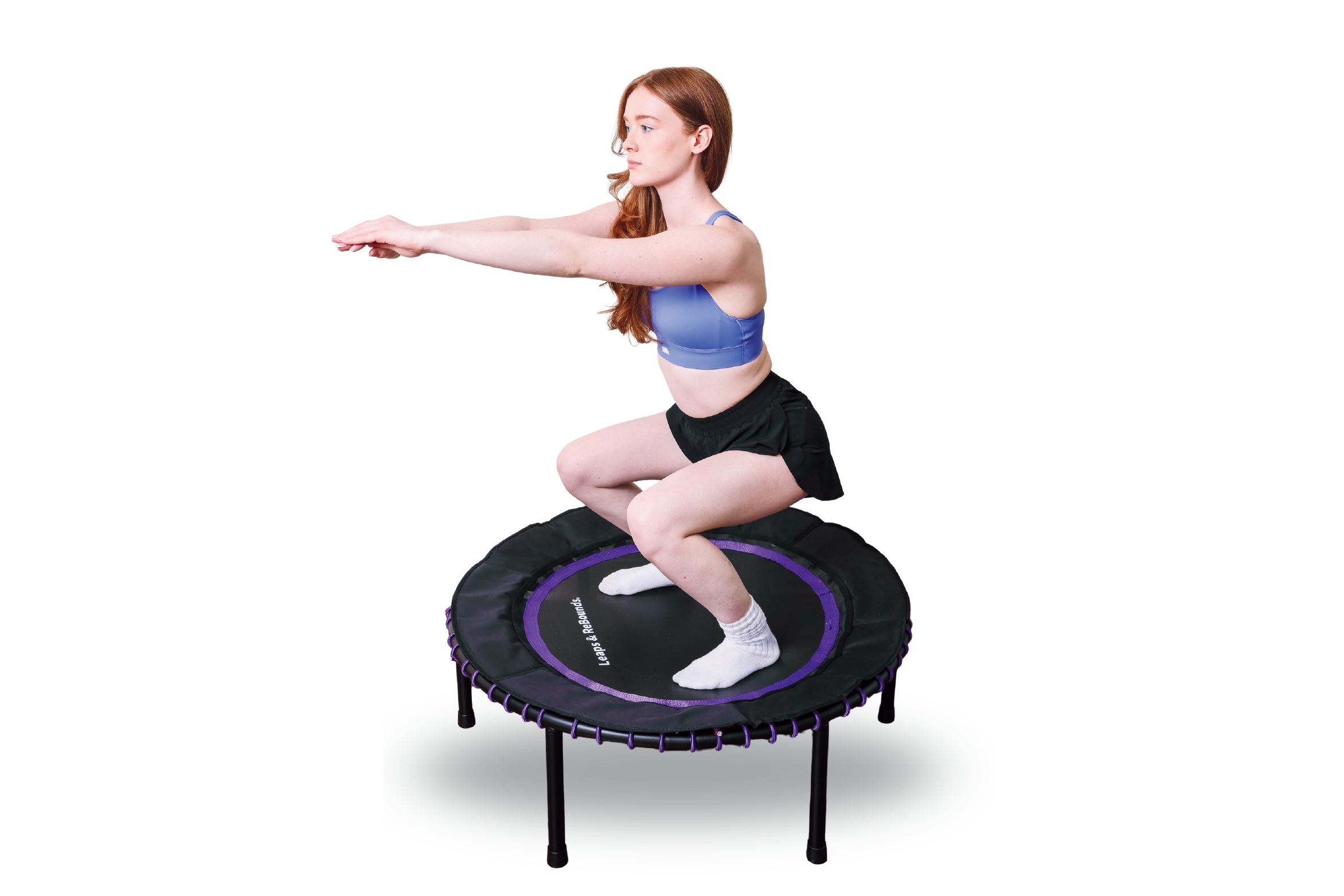
Rebounding engages:
• Quadriceps
• Hamstrings
• Glutes
• Calves
• Core stabilizers
Stronger muscles provide better support for the knee joint, which may reduce stress
on sensitive tissues over time.
The Result:
✓ Improved joint mobility
✓ Increased lower body strength
✓ Better balance and coordination
✓ More confidence in daily movement
✓ Reduced fear of activity
What You May Start to Feel Week by Week
Week 1- 2: Stiffness Starts to Ease
Morning stiffness may feel shorter.
Getting up after sitting may feel less uncomfortable.
You may notice movement feels smoother and more natural.
Small improvements build momentum.
Week 2- 4: Confidence in Movement Returns
Stairs feel manageable. You can sit through a movie without dreading standing up. Swelling visibly decreases.
Month 2: Strength and Stability Improve
Your legs may feel stronger.
Balance and coordination can improve.
Activities you once avoided may start to feel possible again.
Support around the knee often matters as much as the joint itself.
Month 3 and Beyond: Sustainable Change
Movement may feel less threatening and more empowering.
Daily tasks may require less mental negotiation.
You build a routine that supports your knees instead of stressing them.
Progress is not about eliminating every sensation.
It’s about building resilience.
Not all rebounders are created equal.
Most use metal springs that create jarring impact defeating the entire purpose.
Feature
Leaps and
Rebounds
Other
Rebounders
Suspension System
✅ 36 Bungee Cords
❌ Metal Springs
Weight Capacity
✅ Up to 300 lbs
❌ Often 200–250 lbs
Weight
Capacity
✅ Up to 300 lbs
❌ Often 200–250 lbs
Noise Level
✅ Designed for quiet use
❌ May produce spring noise
Noise Level
✅ Designed for quiet use
❌ May produce
spring noise
Storage
Storage
✅ Legs unscrew - for easier storage
❌ Some models
bulkier
Warranty
Lifetime
Warranty
✅ Lifetime frame warranty
❌ Varies by brand
What Customers Are Saying After Using
Leaps and Rebounds
“I was already exploring surgical options when my daughter encouraged me to try this first. After a few months of consistent use, my knees felt stronger and more stable. I decided to postpone surgery and continue focusing on strengthening.”
— Linda M., 62, Verified Customer

“I was already exploring surgical options when my daughter encouraged me to try this first. After a few months of consistent use, my knees felt stronger and more stable. I decided to postpone surgery and continue focusing on strengthening.”
— Linda M., 62, Verified Customer
“I hadn’t exercised consistently in years because of my knees. Starting with just 10–15 minutes each morning helped me feel more confident moving again. I feel stronger now than I have in a long time.”
— Barbara K., 58, Verified Customer
“I hadn’t exercised consistently in years because of my knees. Starting with just 10–15 minutes each morning helped me feel more confident moving again. I feel stronger now than I have in a long time.”
— Barbara K., 58, Verified Customer
“The first time I stepped off and realized my knees felt comfortable, I got emotional.I hadn’t moved that freely in years.”
— Susan R., 67, Verified Customer
“The first time I stepped off and realized my knees felt comfortable, I got
emotional. I hadn’t moved that freely in years.”
— Susan R., 67, Verified Customer
If you’ve been told your knee pain is “just aging,” if you’ve tried physical therapy, braces, or medications and still feel stuck, or if surgery feels overwhelming but doing nothing isn’t an option, there may be another way to support your knees. Leaps & Rebounds is designed to help you move consistently, strengthen the muscles that support your joints, and reduce harsh impact on sensitive knees.
You don’t have to push through pain or stop moving, and you don’t have to give up the activities you love. You can start gently, build strength gradually, and move with more confidence. Right now, you can try Leaps & Rebounds risk-free with a 30-day money-back guarantee and lifetime frame warranty.

Support circulation.

Build strength.

Move with confidence.
This content is for educational purposes only and is not intended as medical advice. Always consult a qualified healthcare provider before starting any supplement or making changes to your health routine. Individual results may vary. The opinions expressed are those of the author and do not necessarily reflect those of the product manufacturer.
Copyright © 2026 Leaps and Rebounds


